
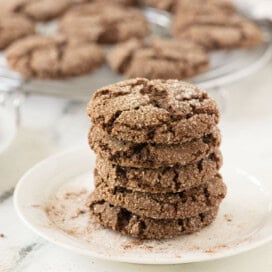
These almond flour chocolate cookies are everything a chocolate cookie should be-soft, chewy, deeply chocolaty, and nicely crinkled on top. They bake up light and delicate, with a melt-in-your-mouth center and perfectly crisp edges. Naturally gluten-free and easy to prepare, they're the kind of cookie you can make for holidays, dessert boards, cookie boxes, or whenever you're craving something a little indulgent.
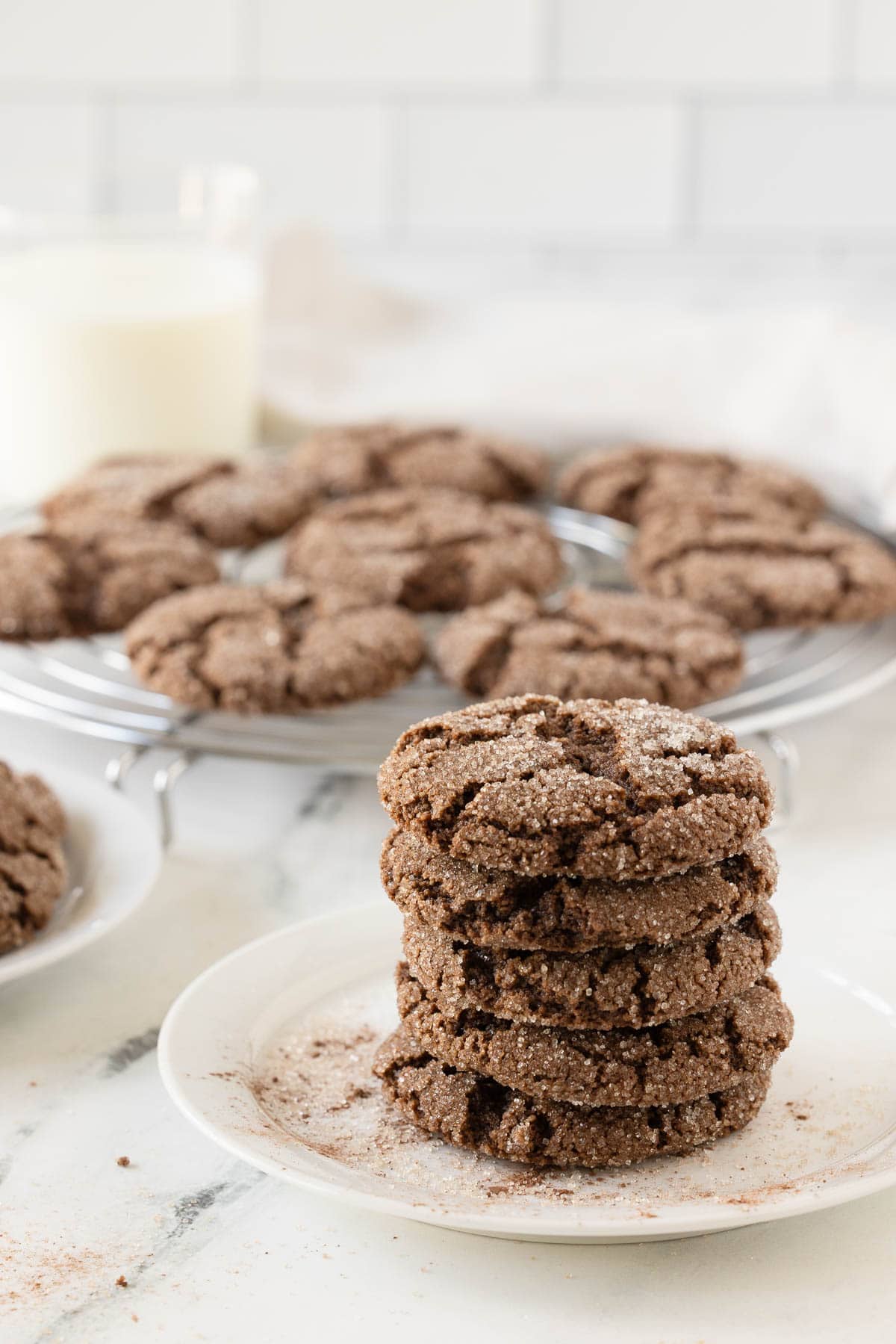
After nailing the texture of my soft, crinkly ginger cookies, I knew I wanted a chocolate version with that same tender bite and effortless simplicity. This recipe delivers-an easy, naturally gluten-free chocolate cookie made with everyday ingredients and no traditional flour. Rich, tender, and deeply chocolaty, it's the kind of cookie you'll keep in regular rotation year-round.
Jump to:
Almond Flour Chocolate Cookies at a Glance
- Perfect bite - Crisp edges but inside, chewy chocolate cookies.
- Chocolate-forward - Deep cocoa flavor that tastes rich, not overly sweet.
- Quick + simple - Pantry ingredients and a straightforward mix-and-scoop dough.
For another chocolatey baked treat, make some fudgy gluten-free brownies.
Ingredients You'll Need
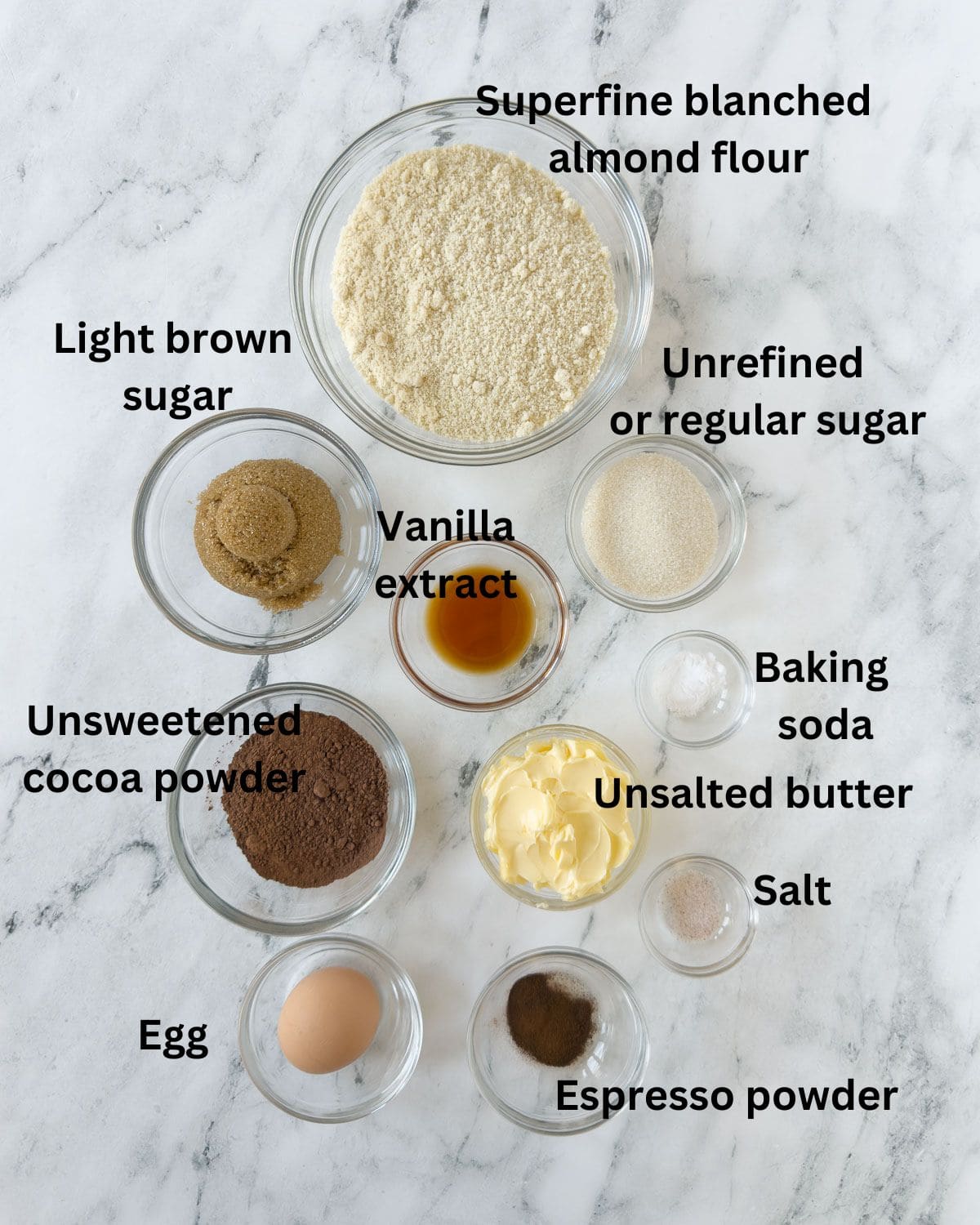
- Flour - Fine blanched almond flour creates a tender crumb with a slightly chewy texture.
- Cocoa powder - Unsweetened cocoa powder for rich chocolate flavor, notes below on type, dutch, natural, or blend.
- Baking soda- Helps the cookies spread and brown properly.
- Salt - Balances the sweetness and enhances the chocolate flavor.
- Espresso powder - Deepens the chocolate flavor without adding a coffee taste, optional but try it!
- Butter - Unsalted butter for proper control of salt.
- Brown sugar - Light brown sugar adds sweetness, moisture, and chew.
- Sugar - Granulated sugar contributes structure and crisp edges.
- Egg - Binds the dough and adds structure.
- Vanilla extract - Adds warmth and rounds out the chocolate.
- Almond extract - A subtle complement to vanilla that enhances the chocolate, optional.
Please see the recipe card for measurements.
Chef's Tip - Natural Cocoa vs. Dutch-Process Cocoa and Black Cocoa Powder
Natural cocoa is more acidic and lighter in color, with a brighter chocolate flavor. Dutch-process cocoa is treated with an alkaline solution to neutralize natural acidity, so it's darker, smoother, and tastes less sharp. Black cocoa is ultra-dutched with it's black color and mellow flavor. I use a blend of all three cocoas and it works beautifully with baking soda because there are other mild acids in the dough (like brown sugar) to balance things out.
For another easy and fun to make chocolate treat, makes these chocolate bark bites, like chocolate bark in bite-sized mini muffin cups.
Substitutions and Variations
- The only substitution would be using non-dairy butter for a dairy- free, gluten-free cookie, but I have not tested this. If you try it please comment and let me know how they turned out and what brand of non-dairy butter you used.
Baking Tip: How to Rescue Hard Brown Sugar
Brown sugar hardens when its natural molasses dries out, but it's easy to bring it back to soft, scoopable life for baking needs:
- Fast Method (10-20 seconds) - Break the sugar into chunks, place in a microwave-safe bowl, cover with a damp paper towel, and heat in 10-second bursts until softened. Use immediately.
- Overnight Method (Best for long-term) - Place the sugar in an airtight container with a slice of apple, a piece of fresh bread, or a dampened (not wet) terracotta sugar saver. It will rehydrate overnight and stay soft.
- Keep it soft long-term - Store brown sugar in a truly airtight container with a sugar saver-or replace the apple slice or bread every few days to maintain moisture.
How to Make Almond Flour Chocolate Cookies
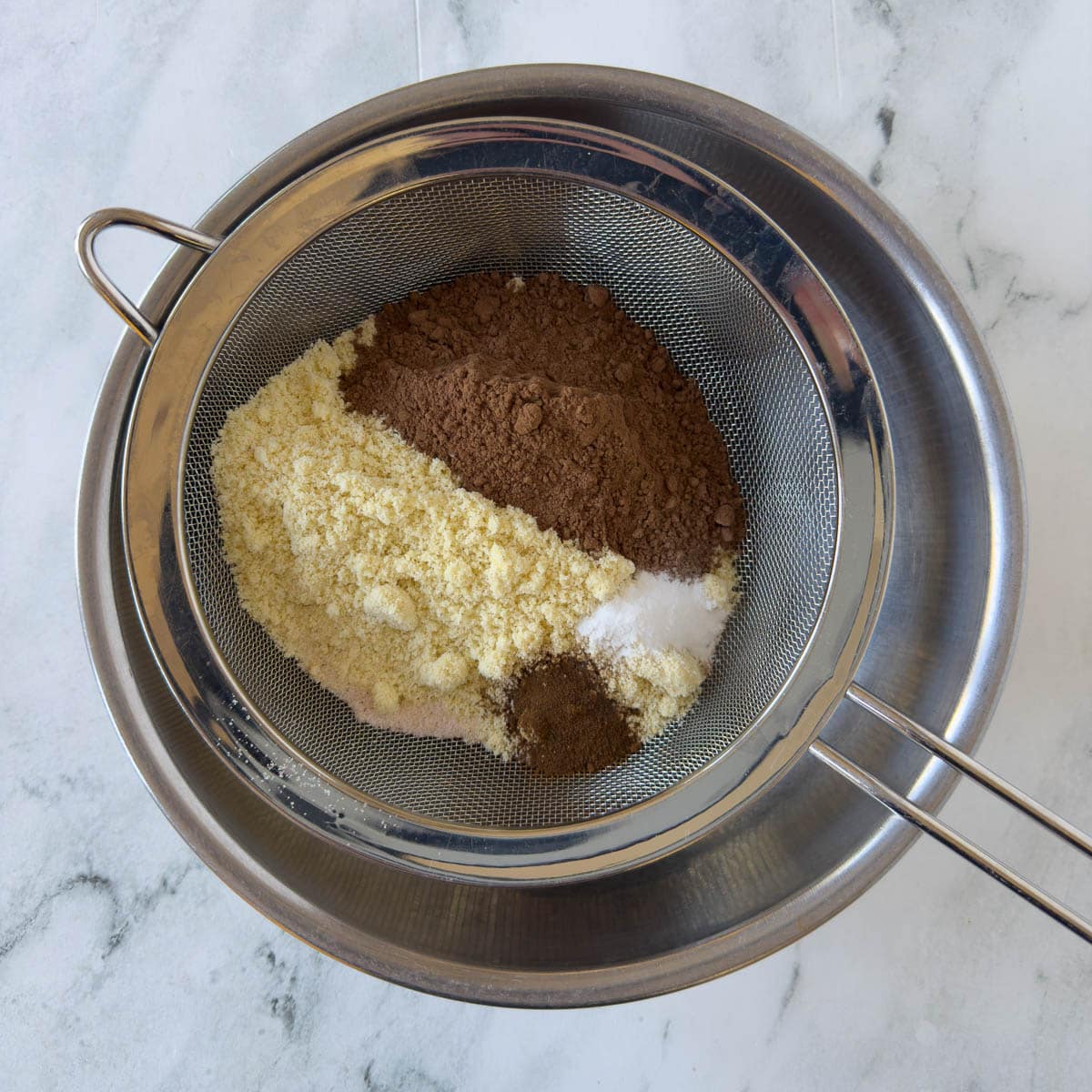
- Add almond flour, cocoa powder, espresso powder, baking soda, and salt to a fine sieve
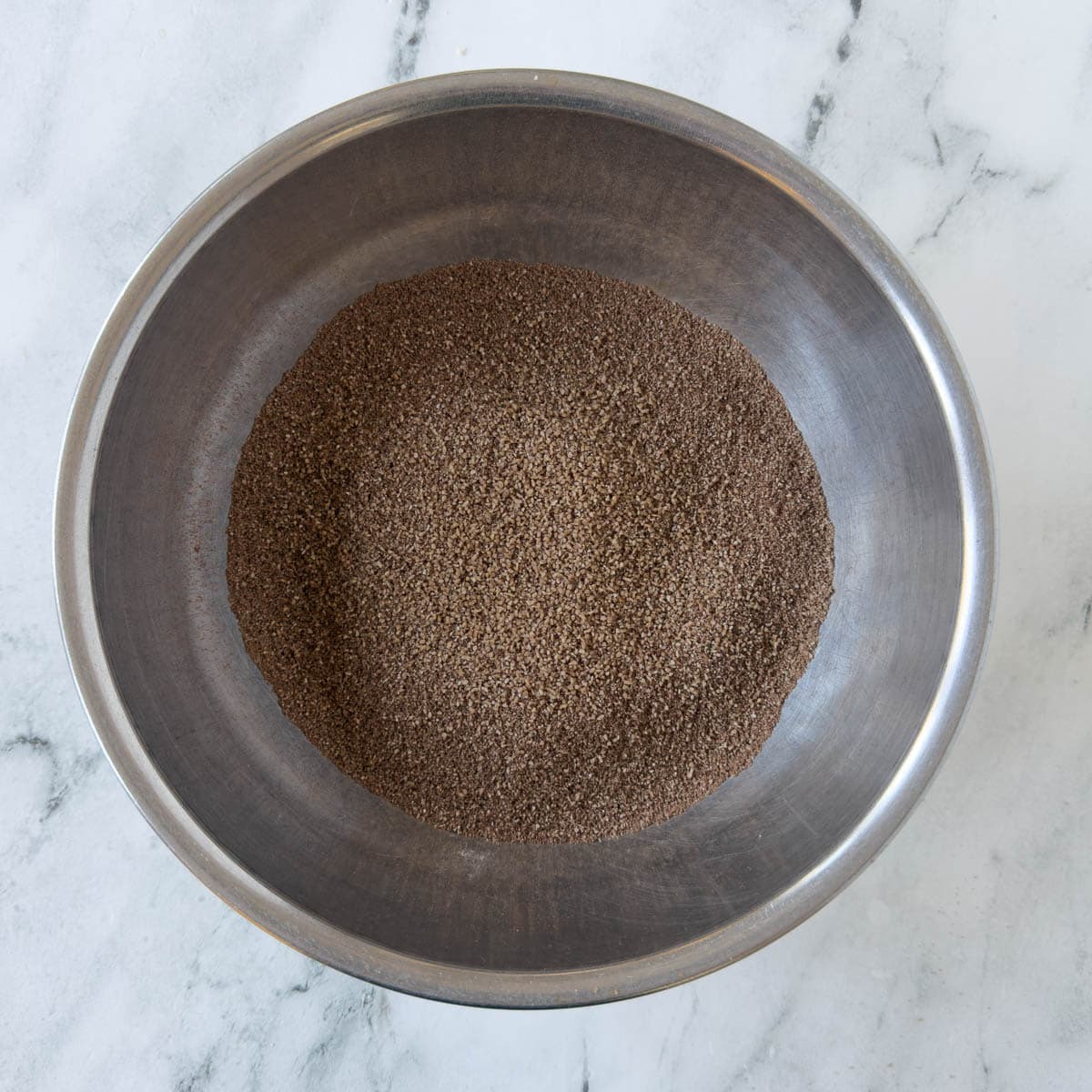
- Shake the dry mix through by hitting the edge of the sieve on your opposite hand, until no lumps remain.
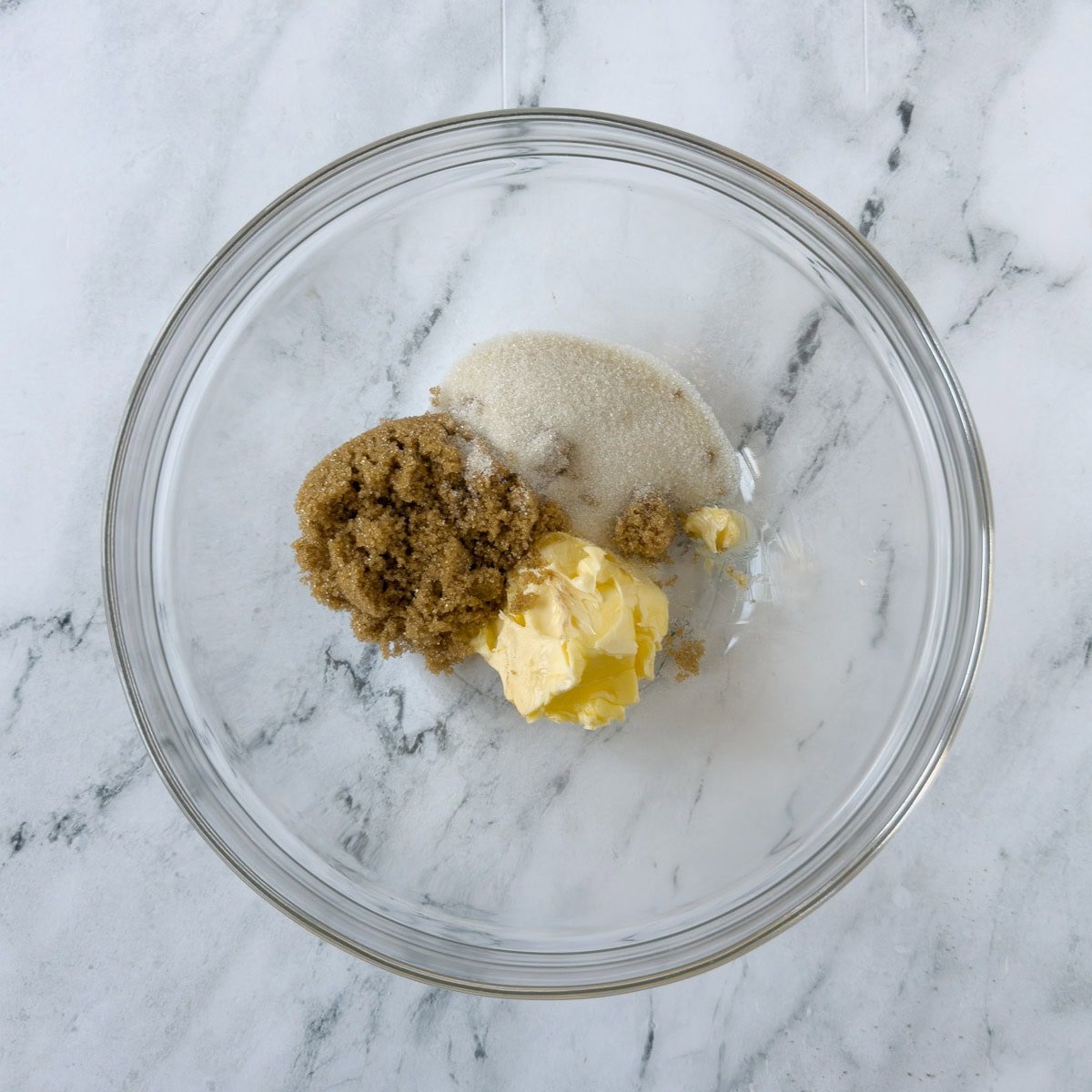
- Add both sugars and soft butter to another medium bowl.
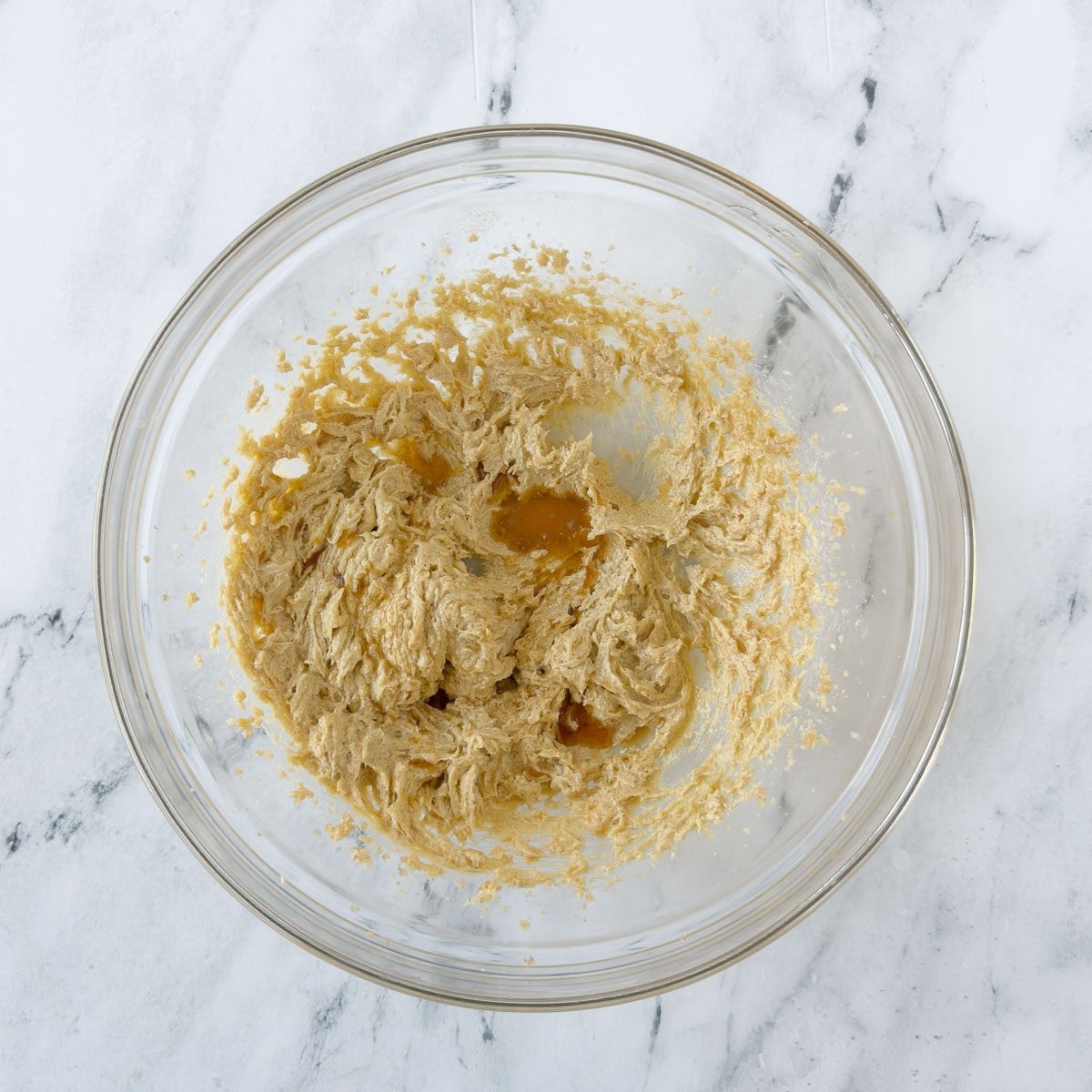
- Beat well with a hand mixer on high speed (creaming) until soft and fluffy, then beat in the egg and extracts.
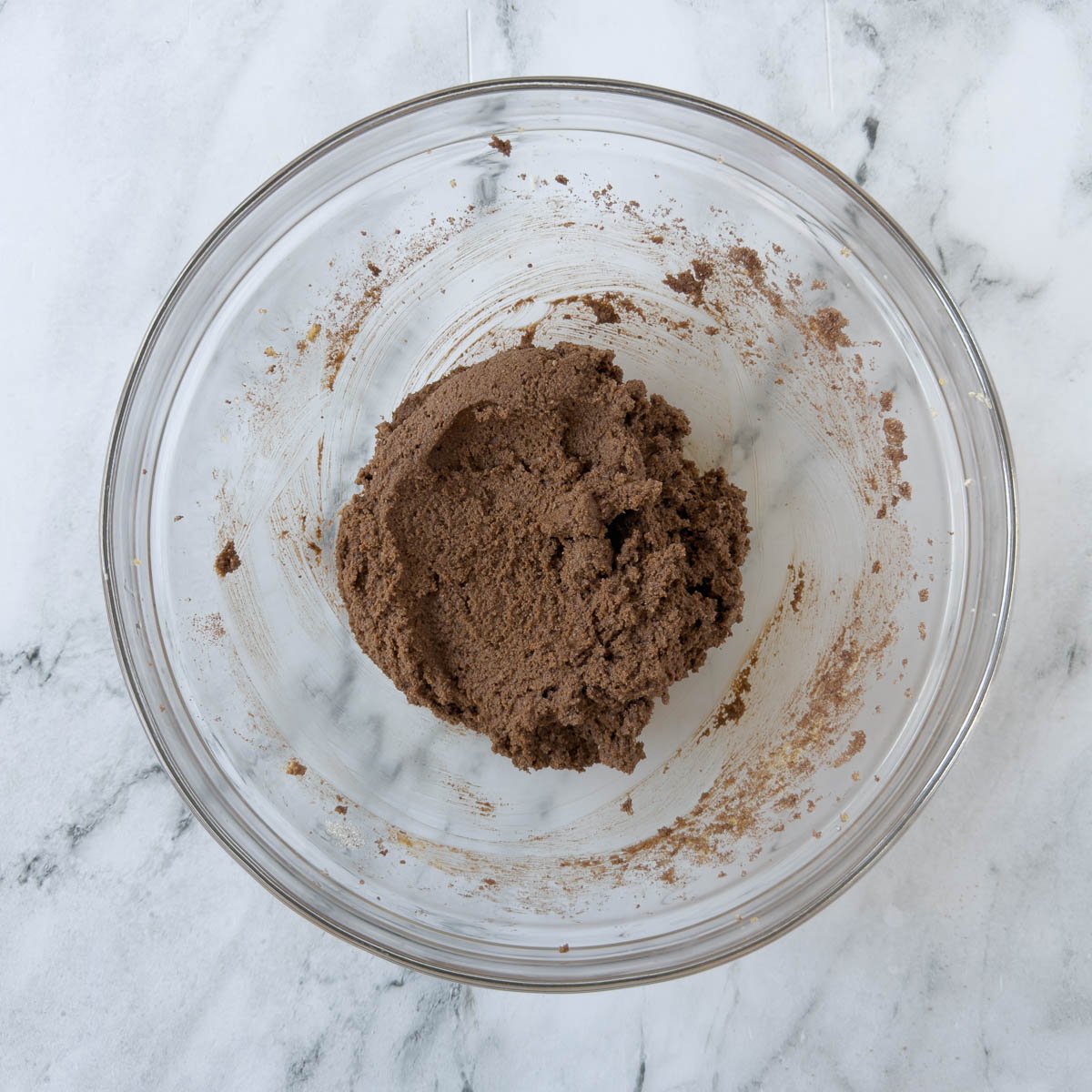
- Add the dry ingredients to the creamed mixture and mix on low speed just until combined. The dough is stiff and feels a bit gritty due to the almond flour.
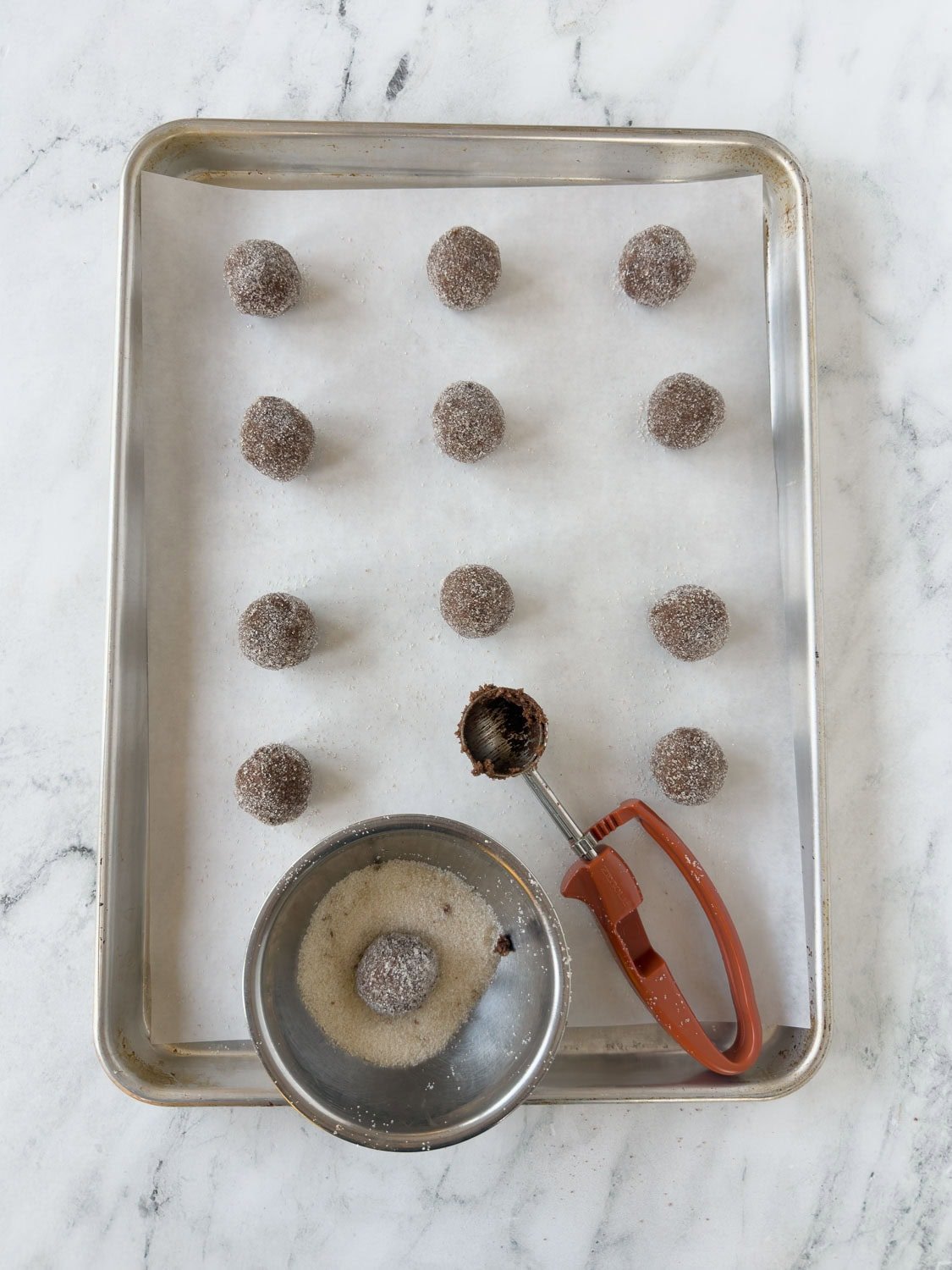
- Chill the dough for 45 minutes in the refrigerator. Pre-heat oven to 350°F, line a sheet pan with parchment. Scoop the dough, roll into 1 ½" balls with a #50 cookie scoop (easiest) or tablespoon.
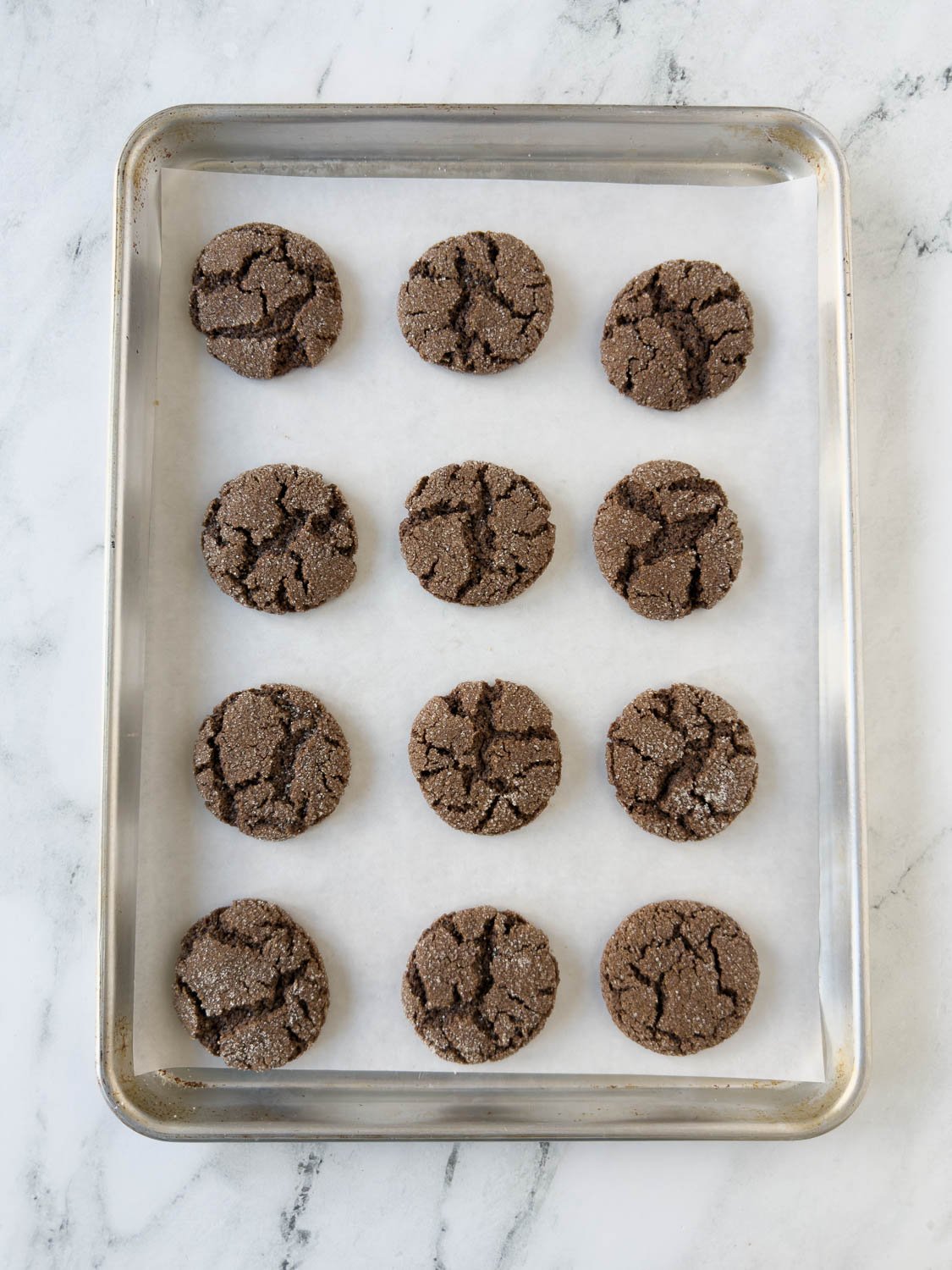
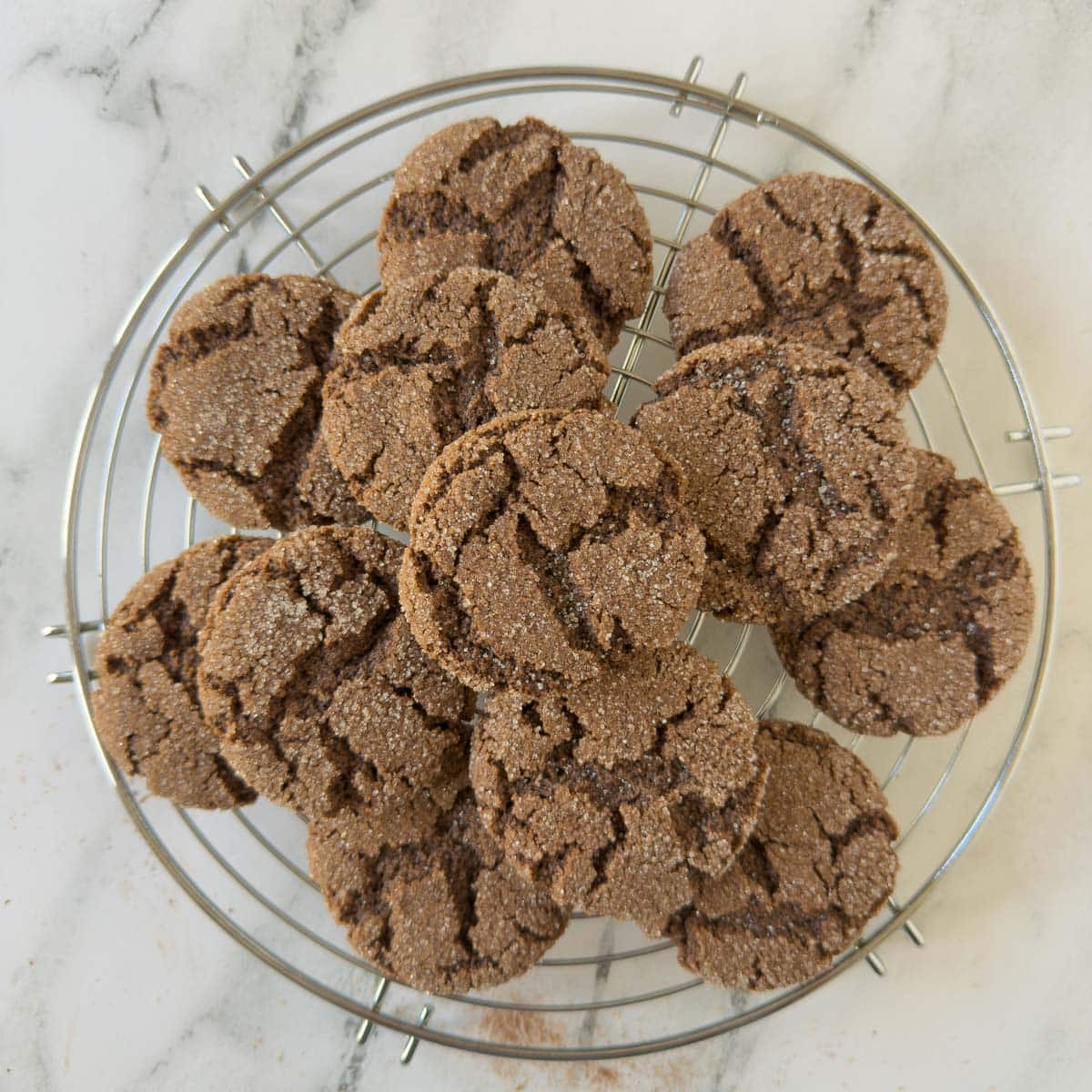
- Bake 14-15 minutes until edges are set and center still a bit soft. Cool cookies on the tray for 10 minutes as they are fragile when hot, then move to a wire rack in a single layer for complete cooling.
Chocolate for breakfast? Why not, with this chocolate banana smoothie.
Serving, Storing & Freezing
Serve almond flour chocolate cookies slightly warm or at room temperature. They're rich and chocolatey on their own, or lovely with coffee, tea, or a glass of cold milk (dairy or non-dairy both play nicely here).
Storing
Store baked chocolate cookies in an airtight container at room temperature for up to 3 days, or refrigerate for up to 7 days. Because almond flour cookies are more delicate than wheat-based cookies, refrigeration helps them hold their shape longer, especially in warm kitchens.
Freezing cookies
Freeze fully cooled cookies in a single layer, then transfer to an airtight container or freezer bag for up to 2 months. Thaw at room temperature or warm briefly in a low oven to refresh.
Freezing cookie dough
This dough should freeze well but I have not tested it. Scoop into portions, freeze solid, then store in a freezer bag for up to 2 months. Bake from frozen, adding 1-2 extra minutes to the baking time.
Recipe FAQs
Yes. Almond flour is naturally gluten-free, making these gluten-free chocolate cookies, a great option for everyone. They are a flourless cookie.
You can, but the texture will be slightly coarser and the cookies a bit more rustic. Finely ground almond flour produces the best, smoothest cookie texture.
Sugar substitutes might work, but results vary, and I have not tested this option. Granulated monk fruit/allulose blends tend to perform better than erythritol, which can create a dry or cooling effect. With cookies, sugar is more than sweetness-it contributes to structure, spread, crisp edges, moisture retention, browning, and that classic chewy bite which are not the same with sugar substitutes.
Yes. Before eating they must cool 10 minutes on the baking sheet because they are fragile when hot, and set as they cool. Then go right ahead!
More Cookie Recipes
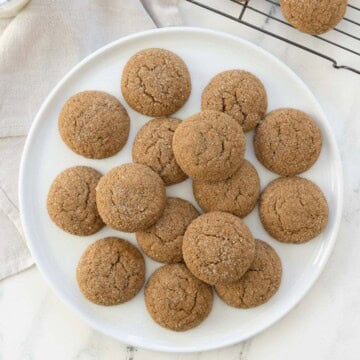
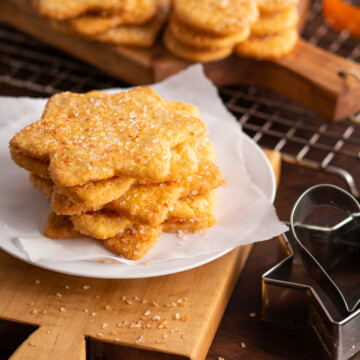
Here are a few more cookie recipes for year round enjoyment, all gluten-free and no one would ever know it.


Did You Make This Recipe?
If you make these almond flour chocolate cookies, please leave a comment. I love to hear from you and your comments are helpful to other readers as well. I hope you enjoyed them! Thanks for supporting my site. Please leave a star rating too.
📖 Recipe
Almond Flour Chocolate Cookies
Equipment
- 1-2 Rimmed baking sheet half sheet size
Ingredients
- 1 ¾ cups super-fine blanched almond flour
- ¼ cup Dutch-process cocoa powder or blend of cocoa powders
- ½ - ¾ teaspoon espresso powder optional but really good!
- ½ teaspoon baking soda
- ¼ teaspoon sea salt
- 6 tablespoons unsalted butter room temperature, very soft
- ½ cup light brown sugar lightly packed
- ¼ cup granulated sugar
- 1 large egg
- 1 teaspoon vanilla extract
- ¼ teaspoon almond extract optional
Instructions
Sift the dry ingredients
- Place the almond flour, cocoa powder, espresso powder, baking soda, and salt in a sieve over a medium bowl and sift the dry ingredients through until there are no more lumps.
Cream the butter and sugars
- In a separate bowl, beat the soft butter, brown sugar, and granulated sugar until light and fluffy, 1-2 minutes in high speed. Add the egg and extracts and mix on low speed just until blended in.
Add dry ingredients
- Add the dry mixture to the creamy and mix on low until blended. The dough is stiff and fees a bit gritty due to the almond flour.
Chill dough
- Chill the dough for 45 minutes for slightly thicker cookies and better shape.
Scoop & bake
- Preheat oven to 350°F. Line a sheet pan with parchment. Scoop the dough into 1½-tablespoon balls. Using a #50 cookie scoop is best. Roll the balls in sugar for a sparkly top after baking.
Cooling cookies
- Bake 14-15 minutes. The edges should look set, and the centers still soft and a bit puffed and crackled. Cool cookies on the tray for 10 minutes before moving as they are fragile when hot, then move to a wire rack for full cooling.
Comments
No Comments