
Homemade mayonnaise is a classic emulsion of egg yolk and oil, brightened with a little mustard and vinegar (or lemon). With a whisk to get it started and a blender to finish, you can make thick, creamy homemade mayonnaise with a clean, fresh flavor that's hard to beat. Use it as-is, or stir in chopped herbs for an herby mayonnaise that's perfect for sandwiches, grilled chicken, and roasted vegetables.
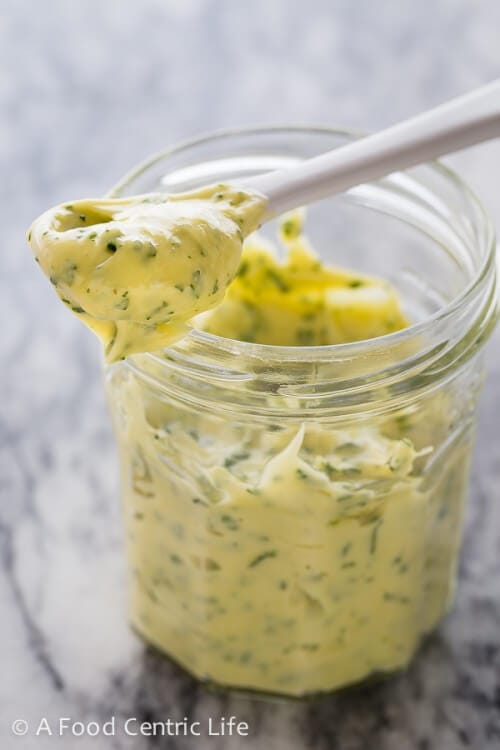
If you've only had store-bought mayonnaise, homemade will surprise you. It's rich, silky, and fresh, and it instantly upgrades everything from sandwiches to simple grilled chicken. A jar is convenient - but homemade mayo is a whole different experience.
Jump to:
Homemade Mayonnaise Highlights
- Better flavor - Fresh, clean, and silky, with a richer taste than most jarred mayo.
- Control the oil - Choose the oil you prefer, which changes both flavor and nutrition.
- Customizable - Keep it classic or add herbs, garlic, lemon, or spices.
- Great foundation sauce - The base for quick aiolis, creamy dressings, and sandwich spreads.
Chef's Tip: Why Make Mayonnaise at Home?
Not all store-bought mayo is the same - some brands are very clean. Homemade mayonnaise is about control and flavor: you choose the oil, the acidity (lemon or vinegar), and the seasoning, and you can keep the ingredient list short and simple. It's naturally gluten-free when made at home, and it skips any added thickeners or stabilizers (like modified food starch or cellulose) that some commercial brands use to adjust texture and extend shelf life.
Try homemade mayonnaise in this broccoli-cabbage slaw recipe.
Ingredients You'll Need
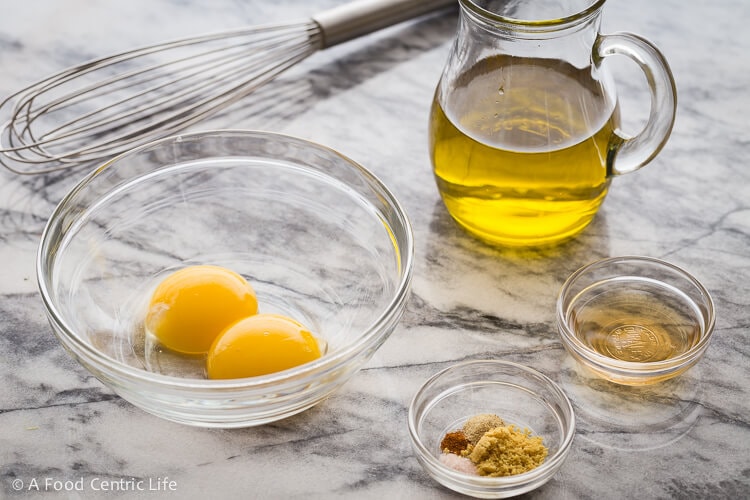
- Egg yolks - Yolks contain lecithin, the natural emulsifier that helps the oil and the water-based ingredients bind into a thick, creamy mayonnaise.
- Acid - White wine vinegar or lemon juice adds brightness and balances the richness.
- Mustard - Dry mustard powder adds flavor and supports the emulsion.
- Cayenne pepper - Just a pinch for subtle warmth (optional, but I love it).
- Oil - Use extra virgin olive oil, avocado oil, or a clean neutral oil. Skip standard vegetable oil if you want the cleanest flavor. Oil tips below.
- Fresh herbs (optional) - Finely chopped herbs add color and fresh flavor (great for sandwiches and grilled meats).
Chef's Tip: The Oil Matters Most
Mayonnaise is basically oil, emulsified - so the oil you choose matters. Many common "vegetable oils" are produced to be neutral and shelf-stable, which usually means they're heavily refined through standard industrial processing steps (refining/neutralizing, bleaching, deodorizing, etc.). For homemade mayo, I stick with oils I consider a clean choice:
- Avocado oil - Mild, clean, classic mayo flavor.
- Extra virgin olive oil (EVOO) - Richer flavor; if it's peppery or stronger tasting, blend ½ EVOO + ½ avocado.
- Zero Acre oil - Neutral cultured oil, clean option to vegetable oil.
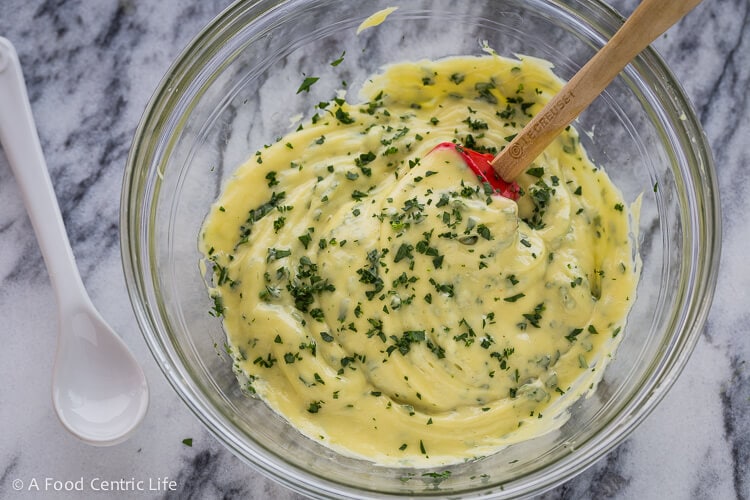
Choose what aligns with your preferences, because you'll taste the oil in every bite. Note - the lead photo of the mayo was made with all olive oil, which is why it is such a rich gold color. The color of your mayonnaise will depend on the color of the oil you use.
How to Make Homemade Mayonnaise (blender Method)
The key to making homemade mayonnaise is time and a little patience - two words that make us cringe. It takes about 15 minutes to make 1 cup. For simple mayo? Yes. And it is worth it. My technique is to start by hand and finish it in the blender for the richest, creamiest emulsion.
Start by Hand
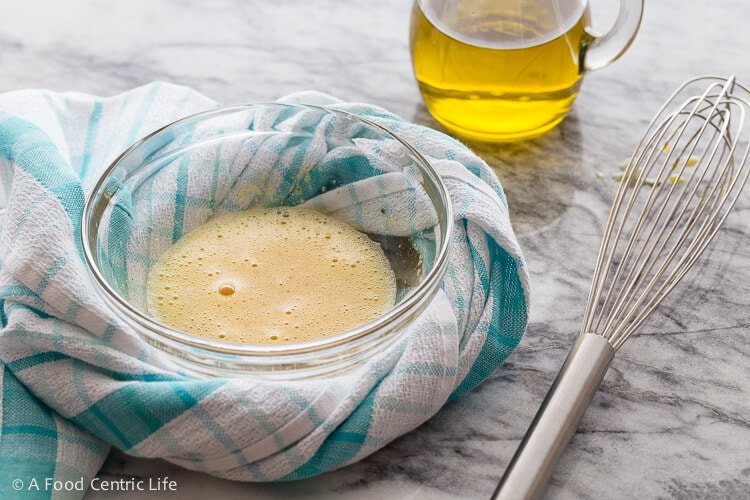
Begin by whisking the yolks, dry mustard, vinegar, salt, pepper and cayenne together in a small bowl. Whisk in the oil a drop at a time. Seriously, drop by drop at the start. That sets up the emulsion. It starts to get creamy and smooth.
Chef's tip - To stabilize the bowl so you can both pour and whisk at the same time, nestle the bowl in a twisted kitchen towel.
Blender Finish
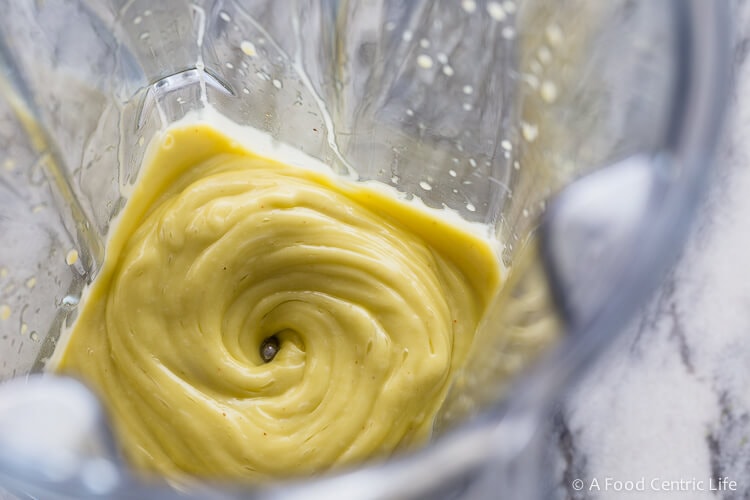
After you have added a small amount of oil and the emulsion is working, you can transfer it to the blender to complete the process.
So why not start in the blender? Because the small amount of yolks won't come above the spinning blades of the blender, so the emulsion doesn't start right. Maybe if you were making a double batch. I make small batches, just 1 cup at a time.
How to Fix Broken Mayonnaise
If you add the oil too quickly, the emulsion can "break" - meaning your thick, creamy mayo suddenly turns thin, oily, and separated. Don't worry. It's fixable.
To fix it:
In a medium bowl, whisk 1 fresh egg yolk until smooth. Then, very slowly drizzle the broken mayonnaise into the yolk while whisking constantly. As it re-emulsifies, you'll see it thicken back up. Once it's stable again, you can add the remaining broken mayo a little faster - but still in a steady stream.
Chef's tip: A teaspoon of water can also help the emulsion catch if it's being stubborn.
Ways to Use Homemade Mayonnaise
- Spread it on burgers and sandwiches.
- Use as a sauce for fish, chicken, or grilled meats, like this quick Harissa Aioli.
- Dip with veggies for an easy snack, like this Buffalo Ranch dip.
- Turn it into dressing - thin with a little lemon juice or vinegar.
- Pair with artichokes - steamed or grilled, as a dipping sauce.
- Make chicken salad or slaw - it's especially good in broccoli-cabbage slaw).
- Flavor it fast - add garlic for aioli or Dijon for mustard mayo.
- Eggs - Make the best deviled eggs.
- Pair with potatoes - Make this French potato salad.
How Long Does Homemade Mayonnaise Last? Storage Tips
Because it is made with raw egg yolks, homemade mayonnaise doesn't keep as long as commercial mayo. For best quality, store it covered in the refrigerator and use it within 2-3 days.
If using raw yolks concerns you, buy pasteurized eggs. According to the USDA, homemade mayonnaise made with pasteurized eggs can be stored for up to 4 days when refrigerated.
Recipe FAQs
Mayonnaise usually breaks when the oil is added too quickly or the mixture doesn't emulsify properly at the start. Slow the drizzle, keep whisking/blending steadily, and use the "fix broken mayonnaise" method if needed.
Color depends on the oil and the yolks. Mayonnaise made with extra virgin olive oil and deep-yellow yolks will look more golden than mayo made with neutral oils.
More Homemade Condiment Recipes
A good condiment finishes the dish. Here are a few more favorites to keep in your fridge, to add instant punch to everyday meals.


If You Make This Recipe
Please let me a comment. I love to hear from you and your comments help other readers too! And please leave a ⭐⭐⭐⭐⭐ if you can. They help! Thanks for supporting my site.
📖 Recipe
Homemade Mayonnaise (with optional herbs)
Equipment
Ingredients
- 2 large egg yolks
- 2 teaspoons white wine vinegar or lemon juice
- ½ teaspoon dry mustard
- 1/16 teaspoon sea salt
- 1/16 teaspoon ground white pepper
- 1 pinch cayenne pepper
- 1 cup olive oil or avocado oil
- 2-3 teaspoons finely chopped fresh herbs of choice, optional parsley, dill, chives, cilantro or tarragon
Instructions
- In a small bowl, whisk together the egg yolks, vinegar (or lemon juice), dry mustard, salt, pepper and cayenne until smooth. Place the olive oil in a measuring cup or small pitcher than has a pour spout from which you can easily control pouring.
- Twist a long kitchen towel into a circle and nest the bowl in it for stability. You can also place the towel and bowl inside a pan to hold it steady. With one hand whisk and the other hand drizzle in the oil. Start a drop at a time and whisk fast. Drop by drop, keep adding and whisking until the emulsion starts to get creamy and thick. When you have added about 2 tablespoons of oil, pour the emulsion into your blender. Scrape every bit out with a flexible spatula.
- Start the blender on low with the lid on and the center cap off. This will reduce splattering. Start adding the oil a few drops at a time in a fine thin stream. Keep going until all of the oil is incorporated and you have thick, creamy mayonnaise. It will take about 20 minutes to incorporate all of the oil. Be patient and go slow. Finish by stirring in fresh chopped herbs if desired.
TerryB says
That looks so good. I'm going to make some this weekend. Are there other fresh herbs I can use?
Sally Cameron says
Hi Terry. You can use whatever herbs you would like. I like to use parsley as a base herb then add something else - cilantro, dill, thyme, oregano, marjoram, chervil, chives. You can also try citrus zest, saffron threads, more mustard. It is really versatile.Have fun experimenting!
Madonna/aka/Ms. Lemon says
I too am impatient or a better term for me is anxious. I have tried this so many times and it pains me to have failures. Mine always breaks. I ended up using it in potato salad, but I really want to learn to make homemade mayonnaise. You make me want to try again. 🙂
Sally Cameron says
You can do it Madonna! It takes patience. When you are drizzling in the oil it seems an eternity. But the flavor, ahhh. I have found making batch after batch that starting my hand and finishing in the blender works fantastic. IF you break it try the fix! I've done that too.