

For a golden, flavorful Thanksgiving bird, compound butter for a turkey is your secret weapon. Soft butter mixed with fresh herbs, citrus zest, and garlic gets tucked under the skin, adding rich flavor and helping keep the meat moist as it roasts. It takes just minutes to prepare, can be made ahead and frozen, and is easy to use on roasting day.

For years, I've made an herbed compound butter for a turkey. The butter helps create beautifully golden skin, while fresh herbs, citrus, and garlic add wonderful flavor to the meat. Most of it goes under the skin, with a thin smear on top-so when you pull that bird from the oven, it gets the rightful oohs and ahhs. Sounds good? It is-and it's surprisingly easy to make.
Compound Butter Recipe Snapshot
- Quick and make-ahead - Mix in minutes; refrigerate for 5-7 days or freeze for up to 3 months.
- Big flavor payoff - Fresh herbs, citrus, and garlic season the turkey as it roasts.
- Beautiful golden skin - Spread most of the butter under the skin and a thin layer over the top for browning.
- Easy to customize - Make it with or without added salt and pepper, depending on how you've seasoned your turkey.
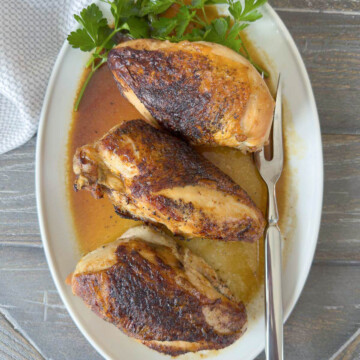
Add a slice of compound butter to each of the roast bone-in chicken breasts while they are finishing in the oven.
Chef's note: What is a compound butter? Compound butter is simply butter blended with flavorful ingredients such as fresh herbs, spices, citrus zest, garlic, or honey. Also called flavored butter, it's an easy way to add extra flavor almost anywhere you'd use plain butter. Compound butters can be savory, like this compound butter for a turkey, or sweet, like my maple vanilla butter. Other delicious variations include blue cheese butter, truffle butter, and miso butter, which is terrific on fish and seafood.
Ingredients You'll Need

- Unsalted butter - Best for controlling salt, especially if you dry-brine your turkey. If using salted butter, adjust the seasoning accordingly.
- Fresh garlic - Finely grate or microplane the cloves so the garlic distributes evenly throughout the butter.
- Fresh herbs - Choose your favorites: thyme, parsley, rosemary, sage, chives, or marjoram. You don't need them all; 2-3 herbs are plenty. Chop finely for even distribution.
- Citrus zest - Lemon is my go-to, but orange zest (or a combination) is delicious too. The zest adds bright citrus flavor without extra liquid.
See the recipe card for measurements.
For the best turkey, brine baby brine, and then use your compound butter. If you've never done it, here's my turkey dry brine tutorial. It's super easy and way easier than wet brining for sa flavorful turkey.
Substitutions and Variations
- Herbs and citrus - Mix and match your favorites: thyme, parsley, rosemary, sage, chives, or marjoram. Use lemon or orange zest, or skip the citrus entirely.
- Garlic options - Substitute ¼ teaspoon garlic powder for each fresh garlic clove.
- Classic lemon-herb - Combine lemon zest, parsley, and dill for a bright, fresh flavor that's delicious with turkey.
- Southwestern - Try cumin, coriander, and chili powder or smoked paprika, with lime zest instead of lemon.
- No fresh herbs? - Substitute dried herbs, using about one-third the amount of fresh. Crush them finely and let the butter stand for 30 minutes before using or refrigerating to allow the flavors to develop.
Use a slice of this butter to dress up simple boiled green beans. They take 5 minutes!
Chef's Tip: Salt Strategy
- Dry-brined turkey: Use unsalted butter and skip additional salt. The turkey is already seasoned.
- Wet-brined turkey: Skip the salt in the butter to avoid overseasoning.
- Unbrined turkey: Add ¼-½ teaspoon kosher salt per stick (8 tablespoons) of unsalted butter, depending on how you're seasoning the bird.
- Taste before using: Taste a little of the finished butter and adjust the seasoning as needed.
- Black pepper: Add a pinch to the butter, if desired.
How to Make a Compound Butter for Turkey
Start with very soft, room-temperature butter for easy mixing, but don't melt it. Have a sheet of parchment paper, waxed paper, or plastic wrap ready, along with kitchen twine or rubber bands to secure the butter log. Avoid aluminum foil, which tears easily and can react with acidic ingredients such as citrus.
Chef's Tip: Be sure your fresh herbs are completely dry before chopping. Wet herbs are harder to chop finely and can add unwanted moisture to the butter. Wash them ahead of time and let them air-dry on a clean kitchen towel.


Chef's Tip: Shaping the Butter Log - For a neat, evenly shaped butter log, use a metal bench scraper to gently pull the parchment paper snugly against the butter as you roll. It helps create a straight, uniform log.


Chef's tip: How to Finely Mince Garlic. Biting into a chunk of raw garlic isn't pleasant! For compound butter, you want the garlic almost paste-like so it blends evenly. Use a Microplane zester to finely grate it, or mince it then smear it into a paste with the side of your chef's knife, or use a garlic press and chop it a little finer. All three methods work beautifully.
How to Use Compound Butter for Turkey
Use very soft, room-temperature compound butter for easy spreading. Apply it to a whole turkey or turkey breast before roasting.
With slightly damp hands, gently slide your fingers between the skin and breast meat to loosen the skin. Slowly work your fingers as far back as possible, including toward the legs. Turkey skin stretches quite a bit, but work carefully to avoid tearing it.
Spread the compound butter in three places:
- Under the skin: Gently spread butter over the breast meat and wherever you can reach beneath the skin.
- On top of the skin: Rub a thin layer over the breast and legs to encourage golden browning.
- Inside the cavity: Rub a little butter along the inside walls for additional flavor.
How much you need depends on the size of your turkey. Don't overdo it; a little goes a long way. Refrigerate any unused butter that hasn't touched the raw turkey, and save it for another delicious dish. Once buttered, your turkey is ready to roast.
Serving Suggestions
There are many ways to use a compound butter for turkey beyond turkey!
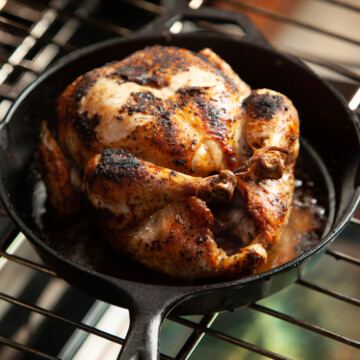
- Roast chicken - Tuck under the skin before roasting or melt over sliced chicken breast.
- Steak - Top a hot grilled steak with a slice for a rich, flavorful finish.
- Fish - Melt over grilled or baked salmon, halibut, or cod.
- Mashed potatoes - Stir into riced mashed potatoes or whipped sweet potatoes.
- Vegetables - Toss with hot green beans, carrots, or roasted broccoli.
- Bread and rolls - Spread on warm dinner rolls or toasted bread.
- Grilled corn - Slather over hot grilled corn on the cob.
- Cornbread - Spread on a warm slice of gluten-free cornbread.
For the best flavor, allow refrigerated compound butter to soften at room temperature before serving. This brings out the flavors of the herbs, garlic, and citrus.
Storage & Freezing
Store compound butter tightly wrapped or in an airtight container in the refrigerator for up to 5-7 days. Proper wrapping keeps it fresh and prevents it from absorbing refrigerator odors. For longer storage, freeze for up to 3 months. Slice off only what you need and return the remaining butter to the freezer.
For another storage option, use these silicone cube trays and pop out just how much you need at once.

Recipe FAQs
Not really. With most of the compound butter under the skin and a thin smear on top, the butter melts as the turkey roasts, adding flavor and helping with browning. Opening the oven frequently also lets heat escape. If you like, spoon pan juices over the bird once during the last 30-45 minutes. Tent loosely with foil if the skin is browning too quickly.
Yes. Use a stick-style plant butter (not whipped/light tubs). Salt levels vary, so adjust. Browning may be less than dairy butter.
Recipes to Use Compound Butter With
Compound butter isn't just for turkey! Try it with roast chicken, potatoes, or simply prepared vegetables. Here are a few recipes where it adds an extra boost of flavor.


If You Make Compound Butter
Please leave me a comment and let me know how you used it. I love hearing from you and your comments help other readers too. Thank you!
📖 Recipe

Compound Butter for a Turkey
Equipment
- Metal bench scraper optional
- Silicone freezer cube trays optional
Ingredients
- 8 ounces unsalted butter or salted butter 2 sticks, half pound.
- 2 teaspoons finely chopped fresh thyme leaves
- 2 teaspoons finely chopped fresh parsley leaves
- 1 teaspoon finely chopped fresh rosemary leaves
- 2 large fresh garlic cloves zested or chopped fine and smeared into a paste
- 1 teaspoon lemon zest optional
- 1 teaspoon orange zest optional
Would you like to save this recipe?
Instructions
Soften the butter
- Allow the butter to stand at room temperature until very soft, about 2-3 hours, depending on your kitchen temperature. Do not melt it to speed up the process.
Prepare and mix the ingredients
- Finely chop the herbs so they blend evenly into the butter. Finely grate the garlic with a Microplane, or mince it and smear it into a paste with the side of your chef's knife. Add the butter, herbs, garlic, and citrus zest (if using) to a small bowl. Mix thoroughly with a flexible spatula until evenly combined.
Shape the butter log
- See the process photos in the post for help. Place the compound butter on a full-size (12" x 16") sheet of parchment or waxed paper, with a short edge facing you. Using a spatula, shape the butter into a log across the bottom third of the paper.Fold the bottom edge of the paper over the butter. Using your fingers or a metal bench scraper, gently pull the paper back against the butter to tighten and shape the log. Roll it up in the remaining paper, twist the ends in opposite directions, and secure with kitchen twine or rubber bands.
Refrigerate or freeze
- Refrigerate the wrapped butter for 5-7 days, adding a layer of plastic wrap for extra protection if desired. For longer storage, freeze for up to 3 months. Slice off what you need and keep the remainder refrigerated or frozen. Another storage option is using the silicone cube trays.
Comments
No Comments