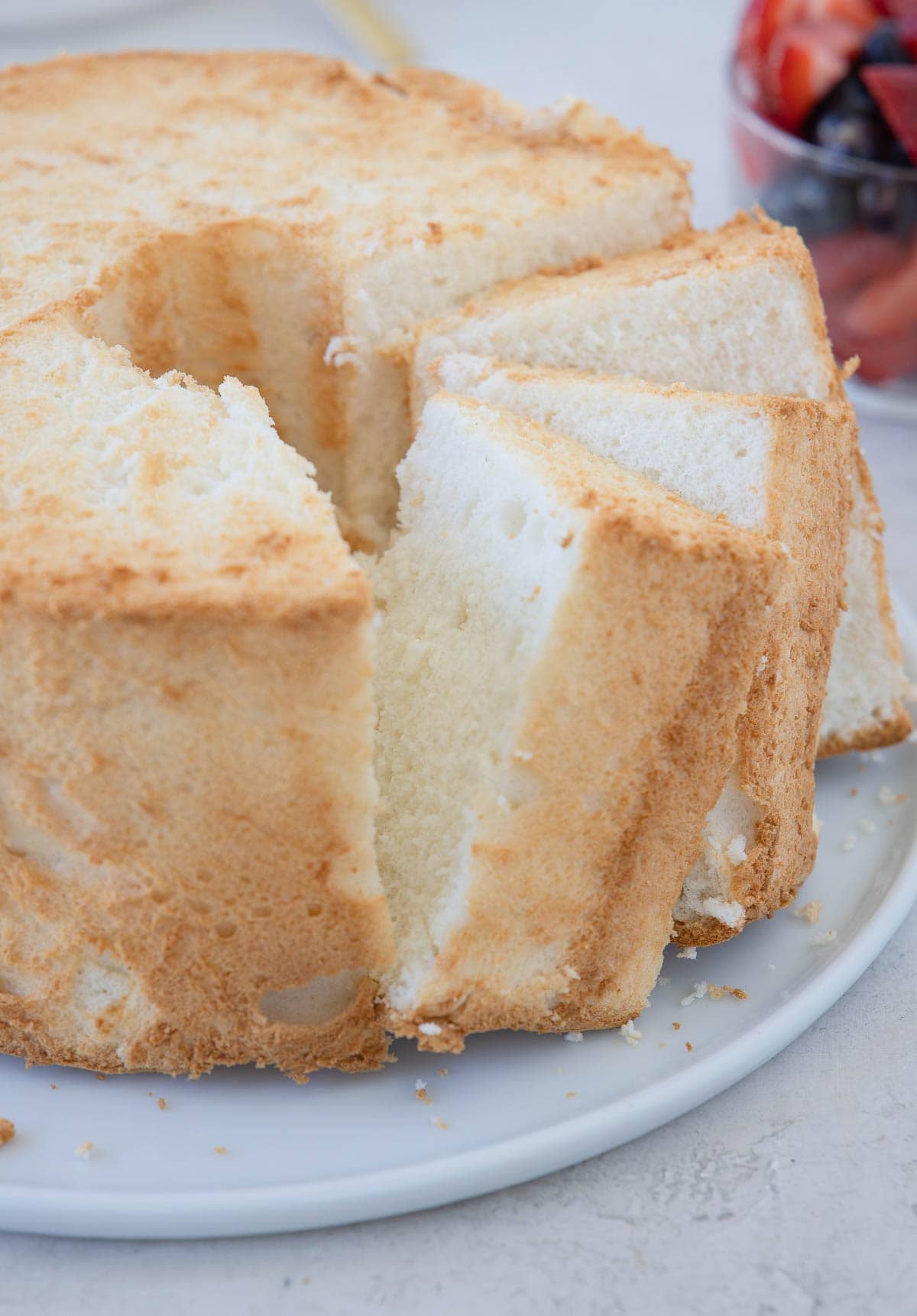
Gluten-free angel food cake is a light, airy sponge cake with a delicate texture and subtle sweetness. Made from whipped egg whites and no added fat, it's one of my favorite summer desserts, especially topped with fresh berries and whipped cream. This gluten-free angel food cake is made completely from scratch-no boxed mix needed-and bakes up tall, tender, and cloud-like.
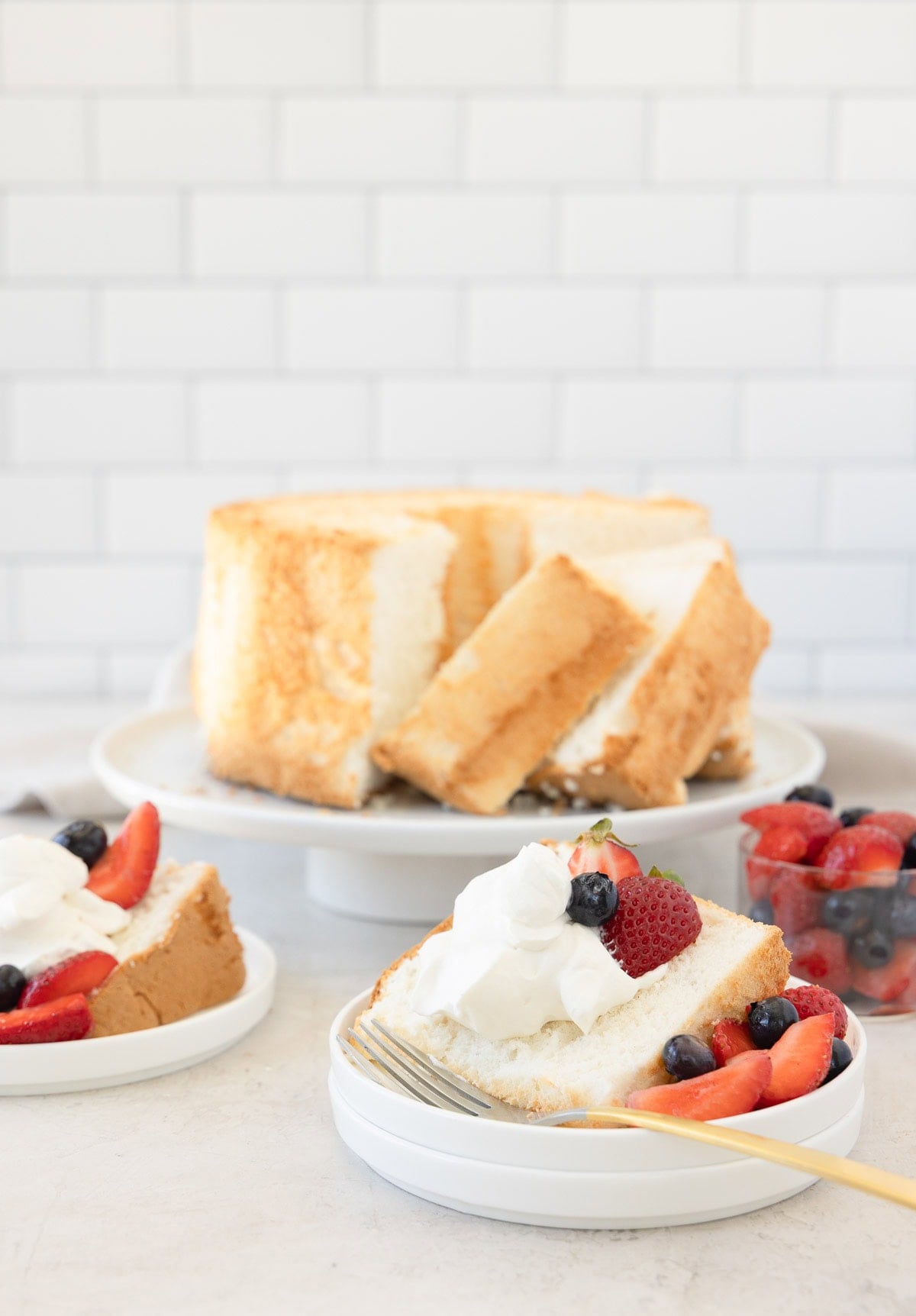
Angel food cake has been one of my favorite cakes since childhood. It was my traditional birthday cake growing up, and this year I baked one for my husband's birthday, which reminded me how much I love this classic dessert. Whether you serve it plain, dusted with powdered sugar, topped with berries and whipped cream, or dressed up with frosting, it's an elegant cake that's surprisingly easy to make once you know a few key techniques.
Gluten-Free Angel Food Cake Recipe Snapshot
- Light and airy - Classic angel food cake with a tender, cloud-like texture.
- Made from scratch - No boxed mix, just real ingredients and proper technique for a gluten-free angel food cake.
- Great for summer - Perfect with whipped cream, fresh berries, or powdered sugar.
- Make-ahead friendly - Bake a day ahead and keep it covered until ready to serve.
Ingredients You'll Need
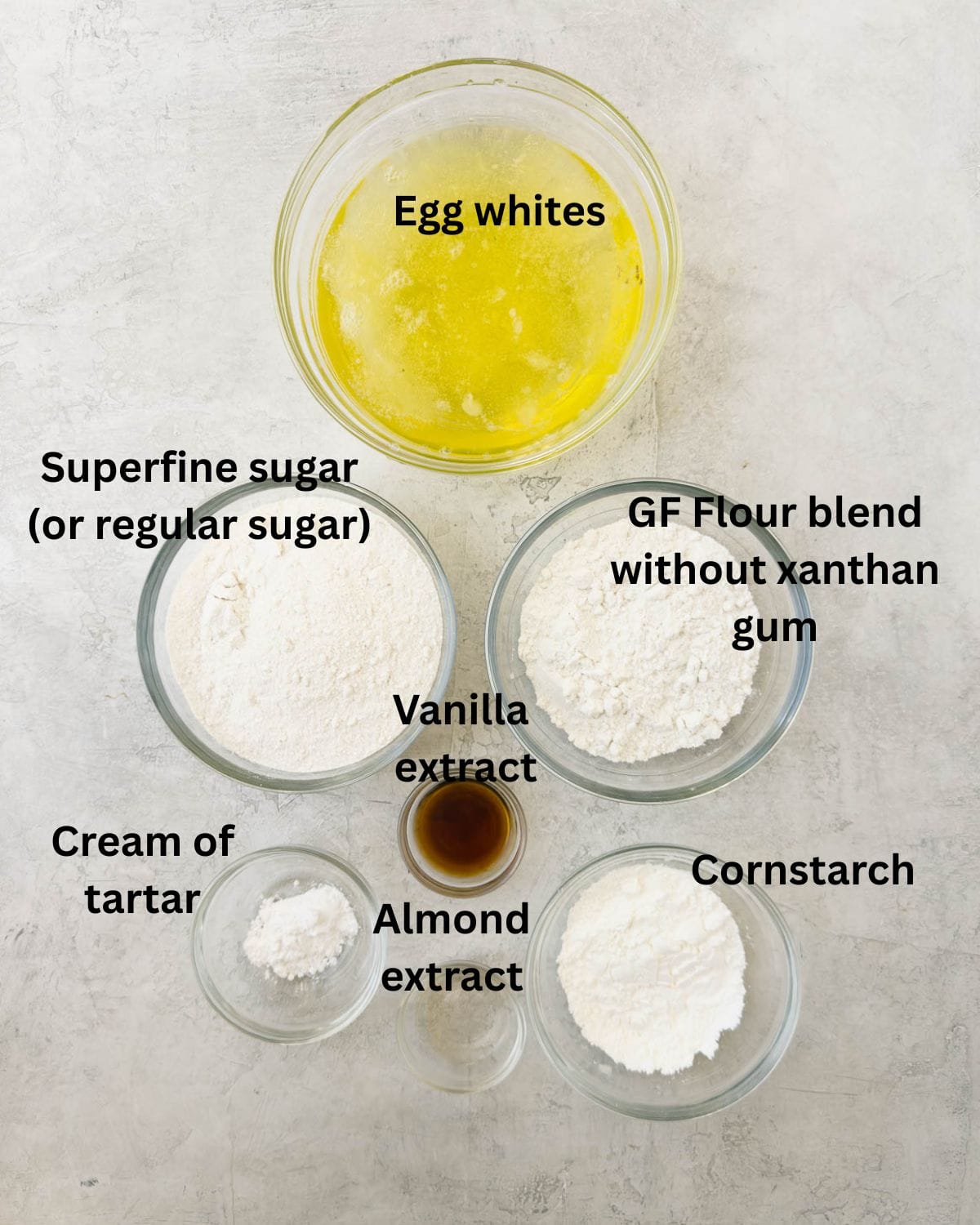
- Flour - Use gluten-free flour without xanthan gum. I tested this recipe with King Arthur Gluten-Free All-Purpose Flour, not Measure for Measure. Other gluten-free flour blends may work, but I have not tested them.
- Cornstarch - Lightens the flour blend and helps create a tender, delicate crumb.
- Egg whites - The structure of angel food cake. Use room-temperature fresh or frozen-thawed egg whites for the best volume. I have not tested this recipe with carton egg whites. Because they are pasteurized, I do not recommend them for maximum volume.
- Sugar - Superfine sugar works best because it dissolves easily into the meringue. Buy it or make your own; see the tip below.
- Extracts - Vanilla extract plus a little almond extract gives classic angel food cake flavor, and the combination of flavors is fantastic.
- Cream of tartar - Stabilizes the whipped egg whites so they hold their structure.
Please see the recipe card for measurements, and salt.
Chef's Tip: Superfine sugar helps angel food cake achieve its light, delicate texture. I've never found an organic superfine sugar, so I make my own. Process granulated sugar for about 10 seconds in a high-speed blender, or 15-30 seconds in a food processor, until it resembles fine sand. Do not over-process or you'll have powdered sugar. If you prefer, you can buy regular superfine sugar.
What to Do With Extra Egg Yolks
Angel food cake uses a lot of egg whites, so save the extra yolks for another recipe and use within 2-4 days. Make vanilla custard ice cream, lemon curd, homemade mayonnaise, or crème brûlée.
Tips for Gluten-Free Angel Food Cake Success
- Use an ungreased pan - Angel food cake needs to cling to the sides of the pan as it rises. Greasing the pan can cause it to slip and collapse.
- Measure carefully - For the most accurate results, weigh the gluten-free flour and cornstarch. If measuring by cups, whisk the flour first to lighten it, then gently scoop and level without packing.
- Sift well - Sift the gluten-free flour and cornstarch twice so the mixture is light, fine, and easy to fold into the egg whites.
- Separate cold, whip warm - Separate eggs while cold because the yolks are firmer and less likely to break. Then let the egg whites come to room temperature before whipping for better volume.
- Keep everything grease-free - Egg whites won't whip properly if there is any fat, oil, or egg yolk in the whites, bowl, whisk, or pan.
- Whip to medium peaks - The meringue should be glossy and hold its shape, but not look dry, stiff, or clumpy.
- Bake on a lower oven rack - The lower third of the oven gives the tall pan room to rise and helps prevent over-browning.
- Cool upside down - Invert the pan immediately after baking and cool completely upside down so the cake keeps its height and airy texture. If your pan does not have feet, place the center tube over a sturdy bottle or funnel but don't let the cake touch the counter.
How to Make a Gluten-Free Angel Food Cake
Preheat the oven to 350°F and set the oven rack to the bottom third, or just under center.
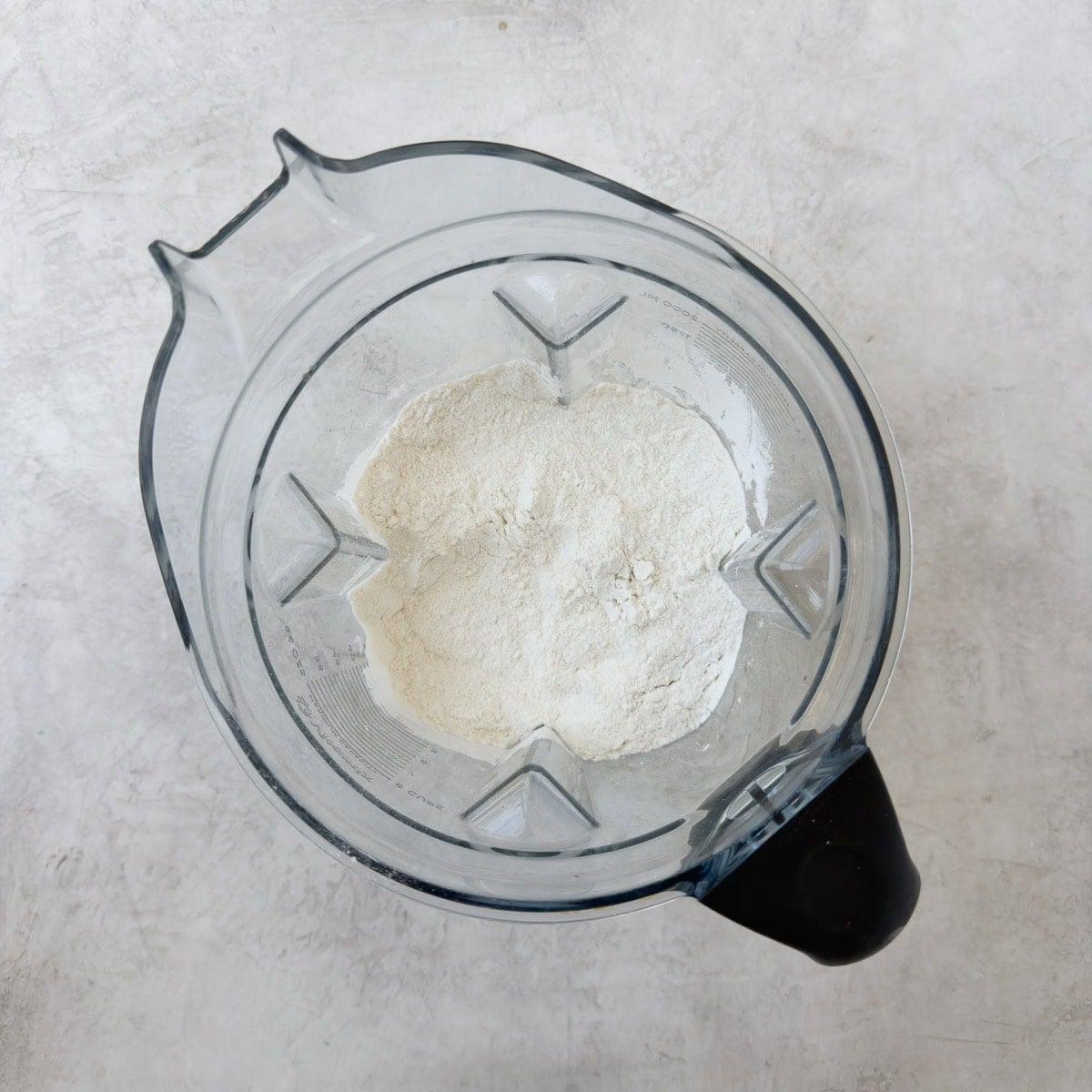
- If making superfine sugar, process 2-3 cups of sugar about 10 seconds until it is like fine sand. Keep extra labeled as superfine for other baking needs. Don't over-process or you will have powdered sugar.
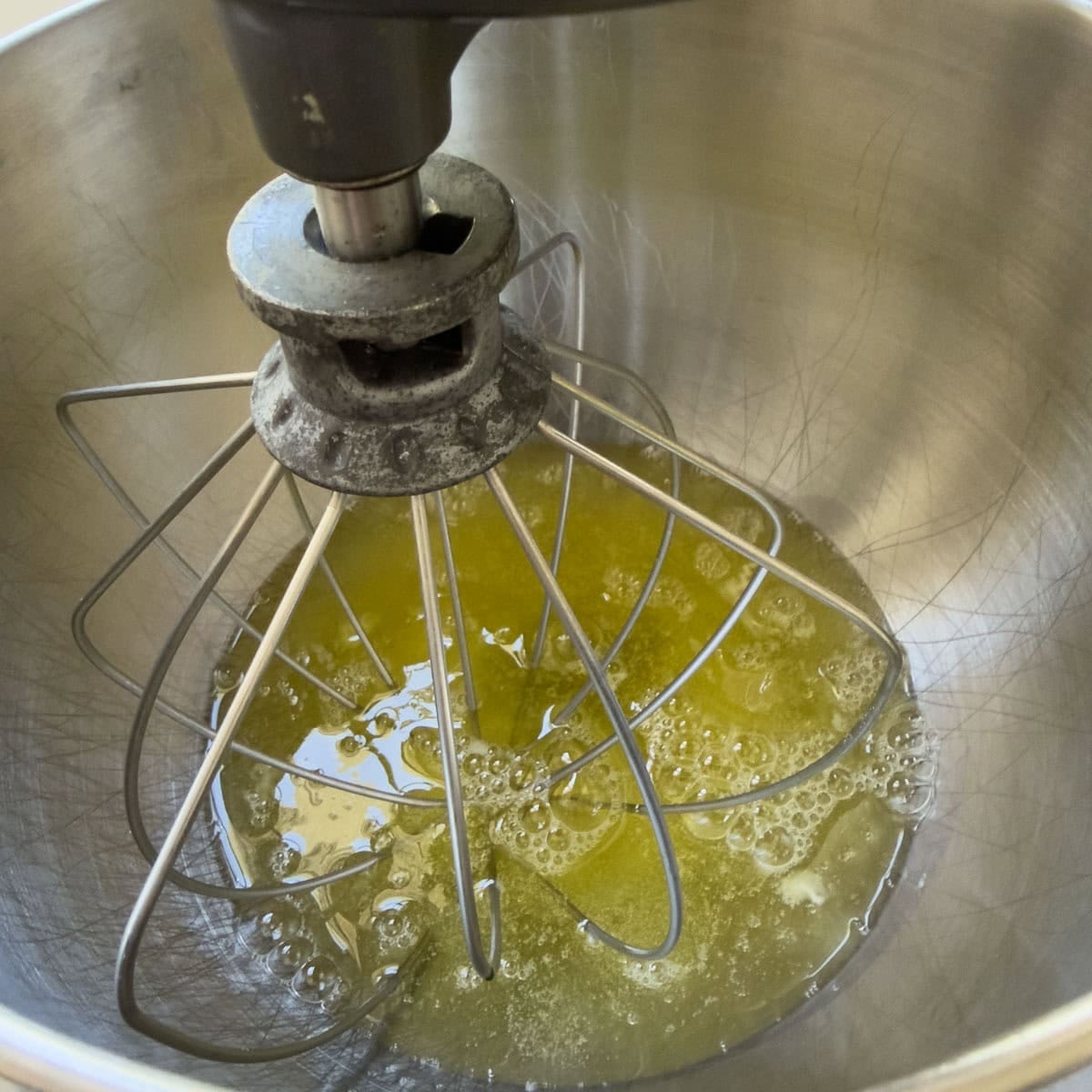
- Add room temperature egg whites to the bowl of a stand mixer fitted with the whip attachment. Beat until foamy, add cream of tartar and salt.
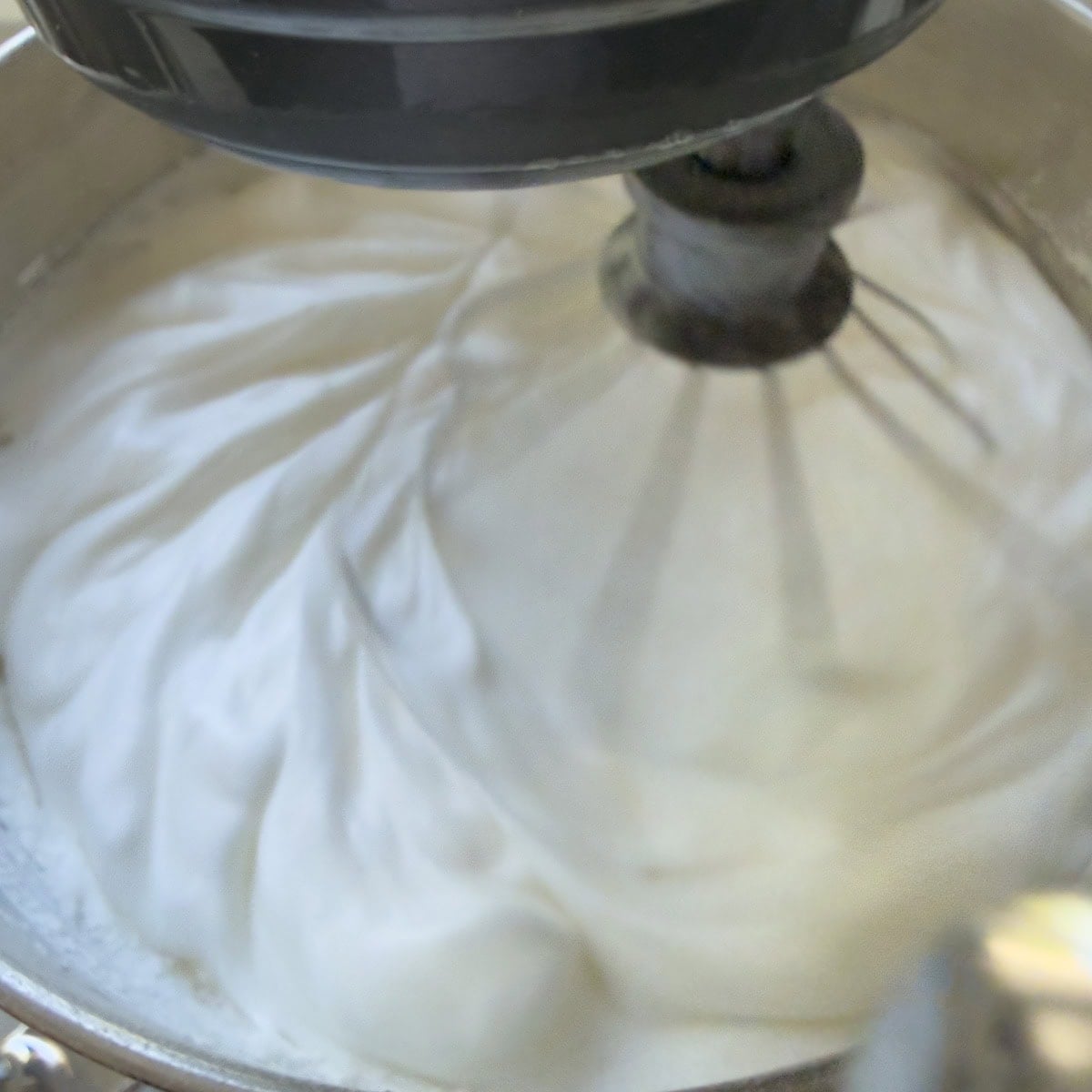
- Keep whipping egg whites to medium peaks on a medium speed.
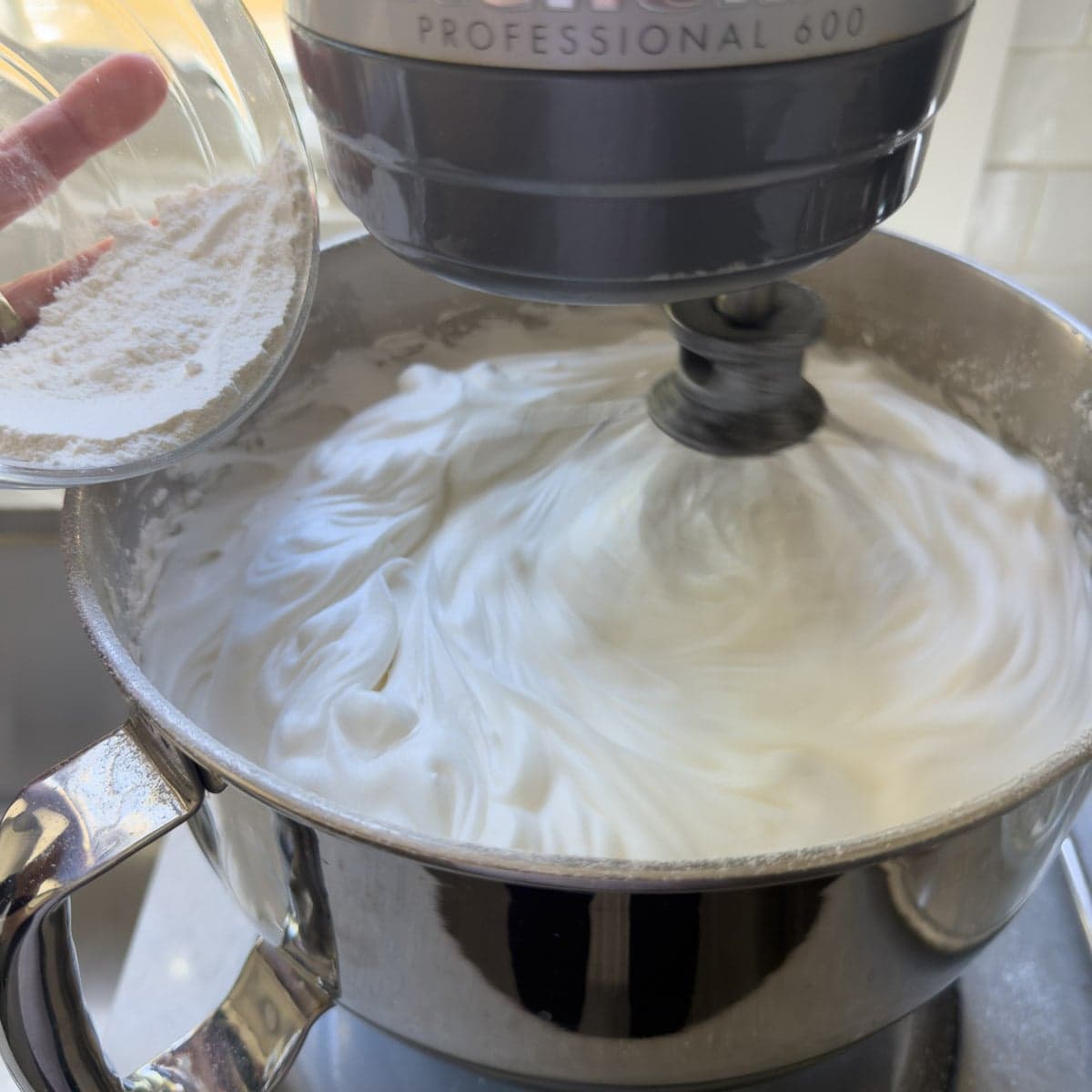
- When whites reach medium peak, begin to add the sugar a few tablespoons at a time, until all sugar is in.
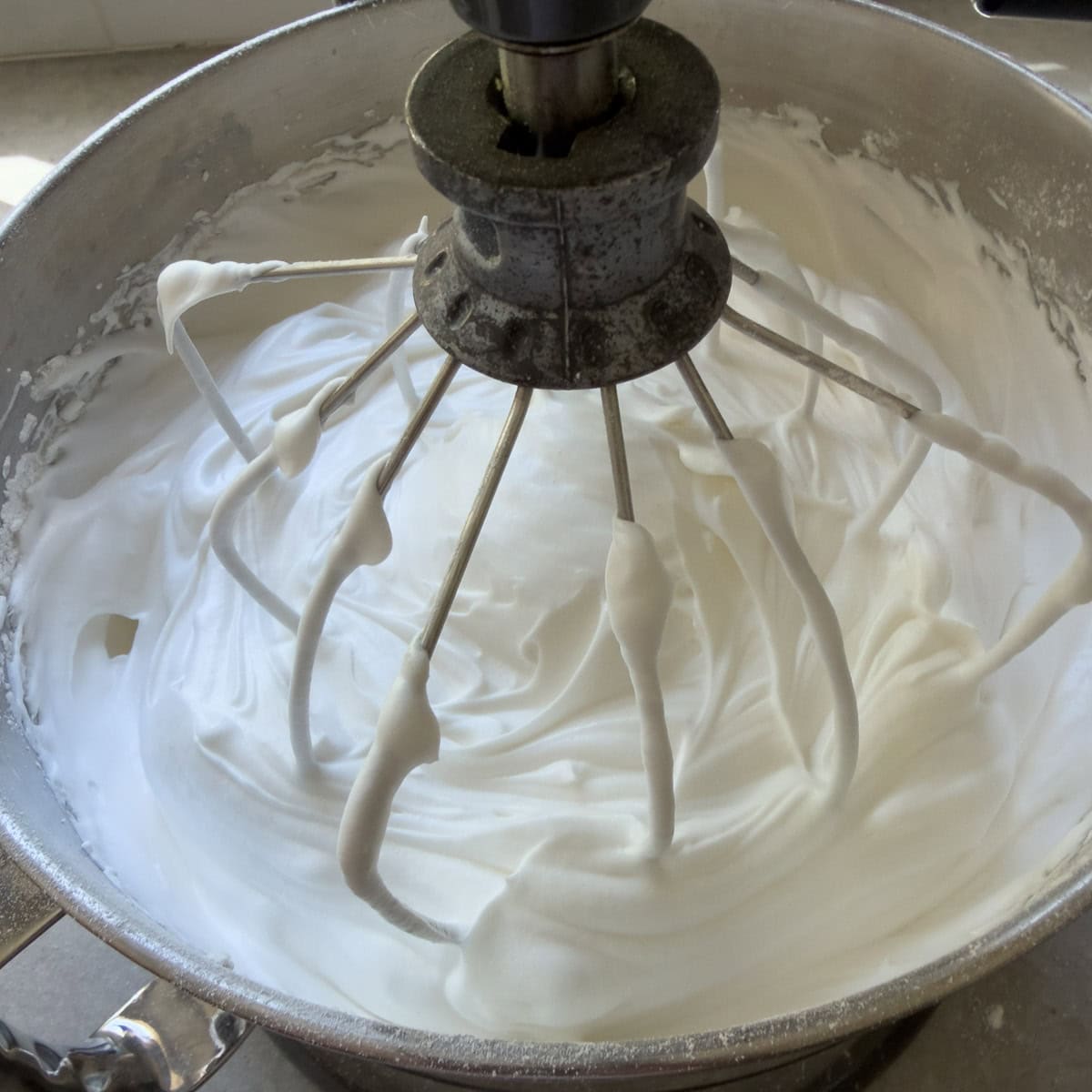
- This is what the meringue will look like when ready for the next step, glossy and holding its shape. Beat in the vanilla and almond extracts.
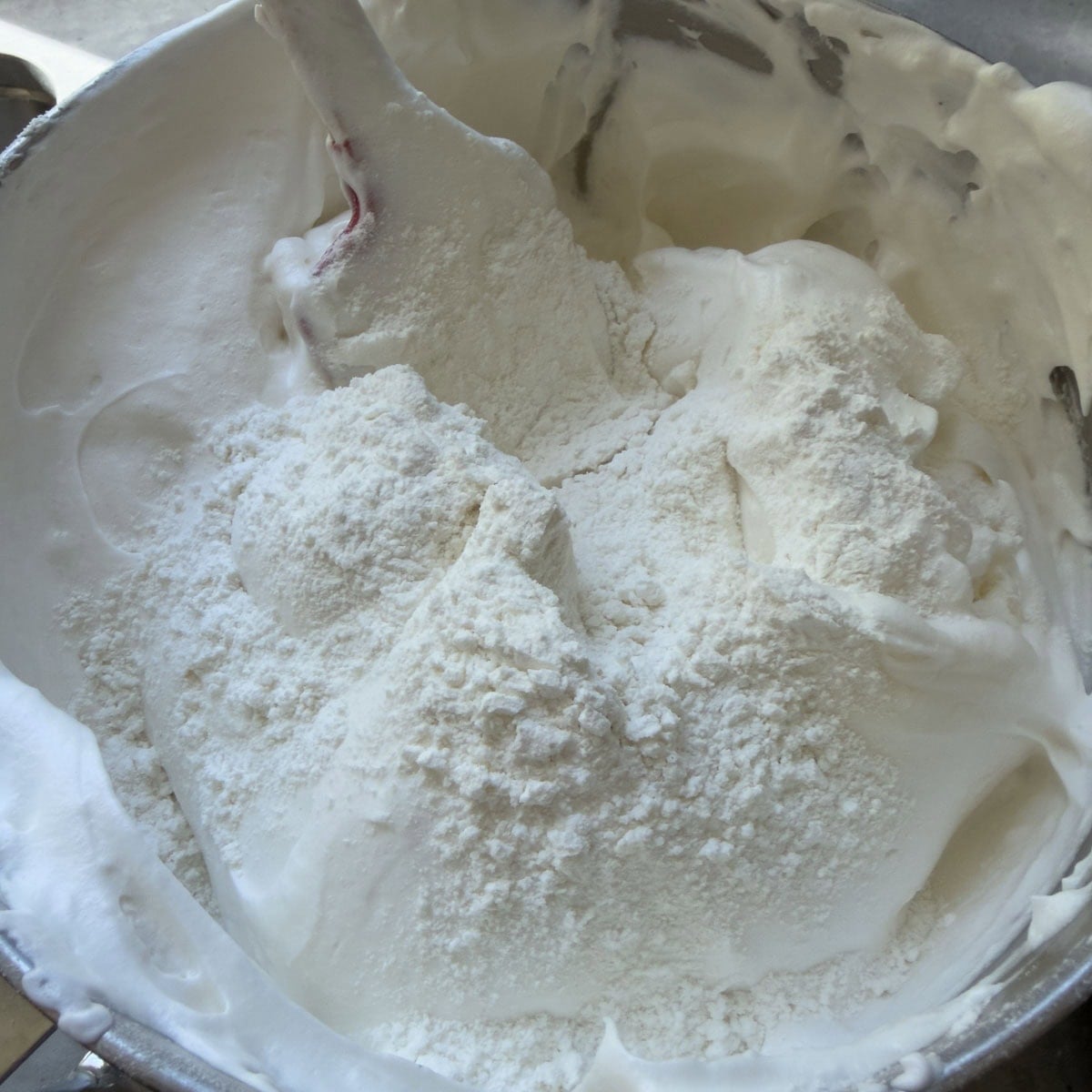
- By hand with a large flexible spatula, gently fold in the flour, in 3-4 batches., so as not to deflate the meringue.
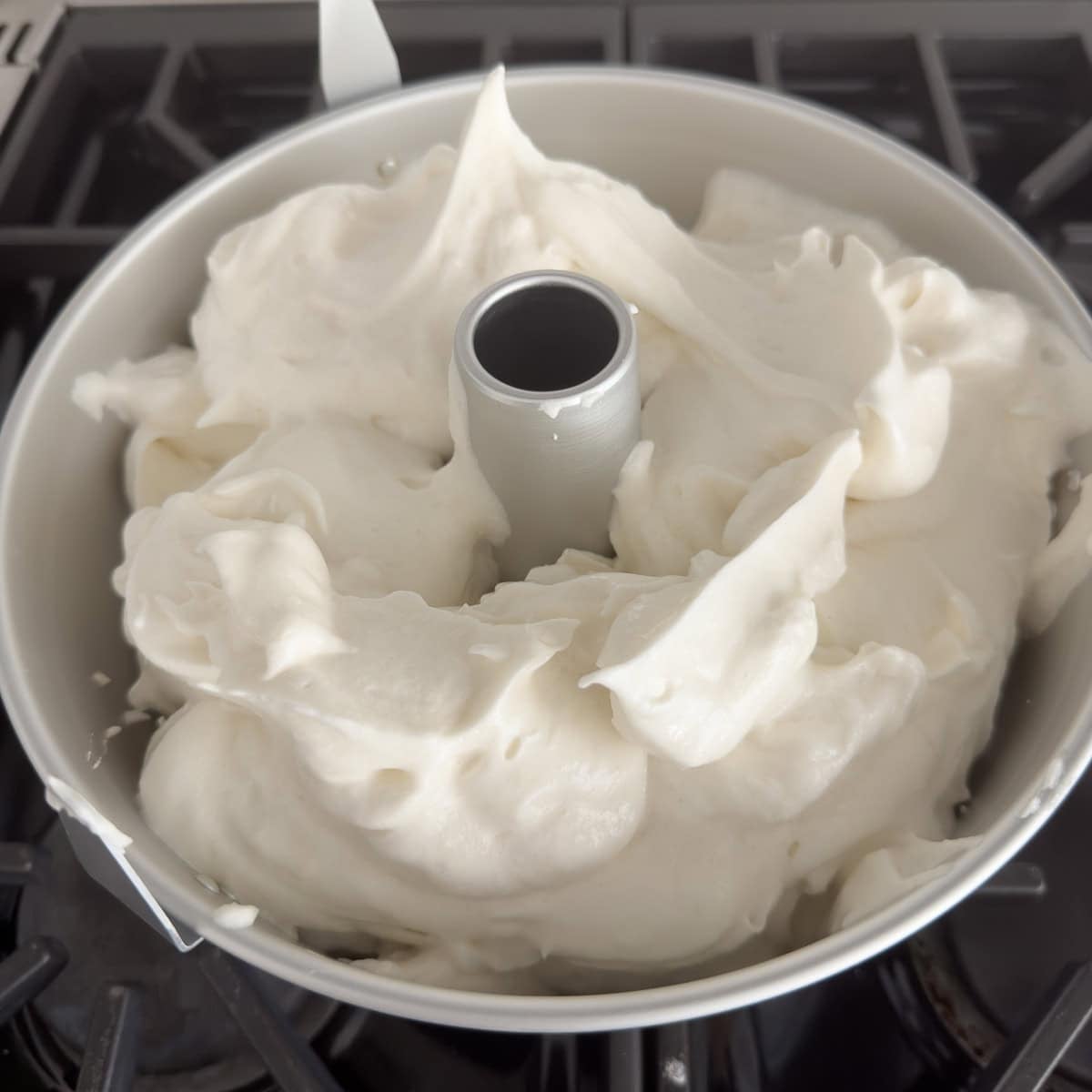
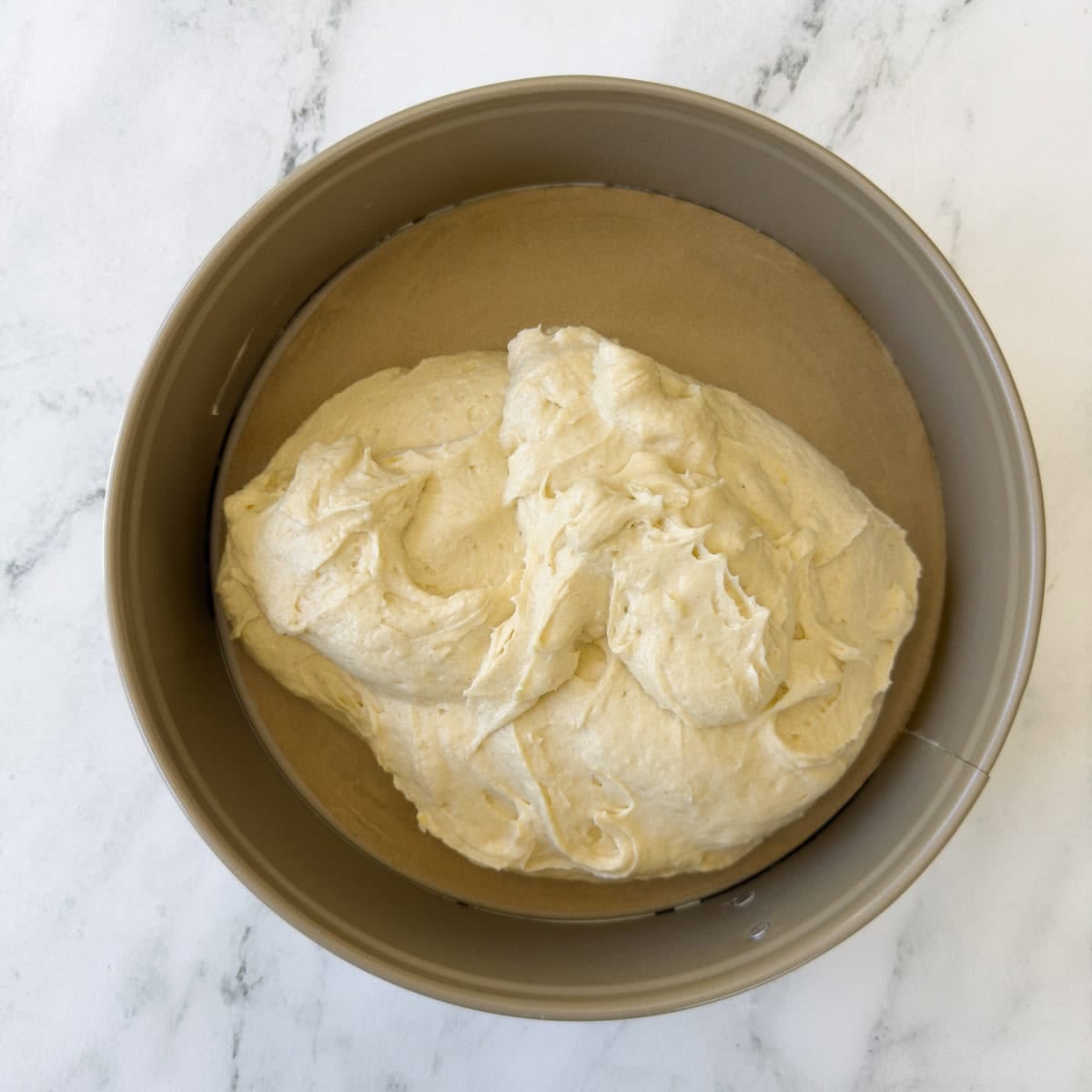
7. Scrape the batter into the un-greased tube cake pan and smooth the top.
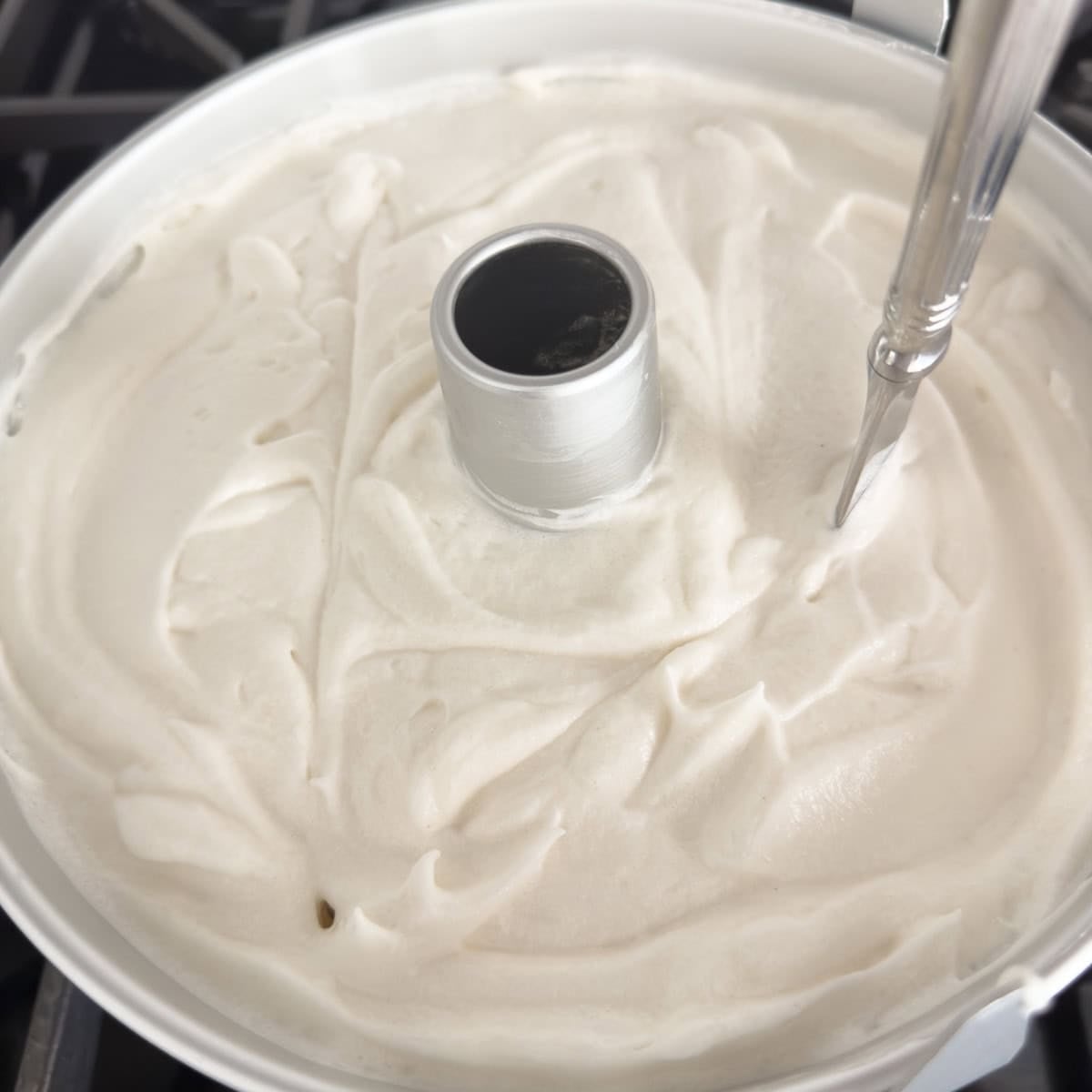
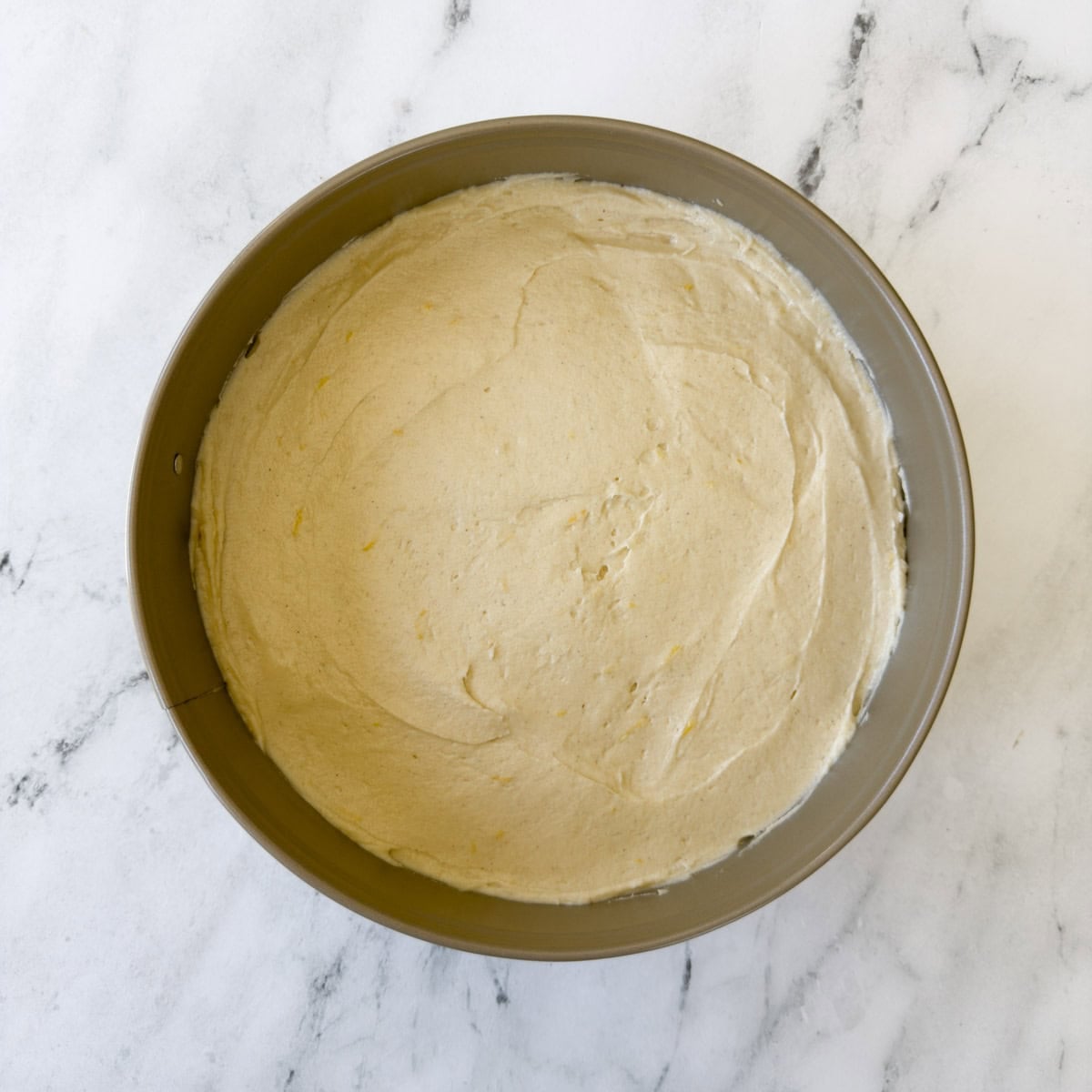
8. Run a thin table knife through the batter and around the edges to release any large air pockets.
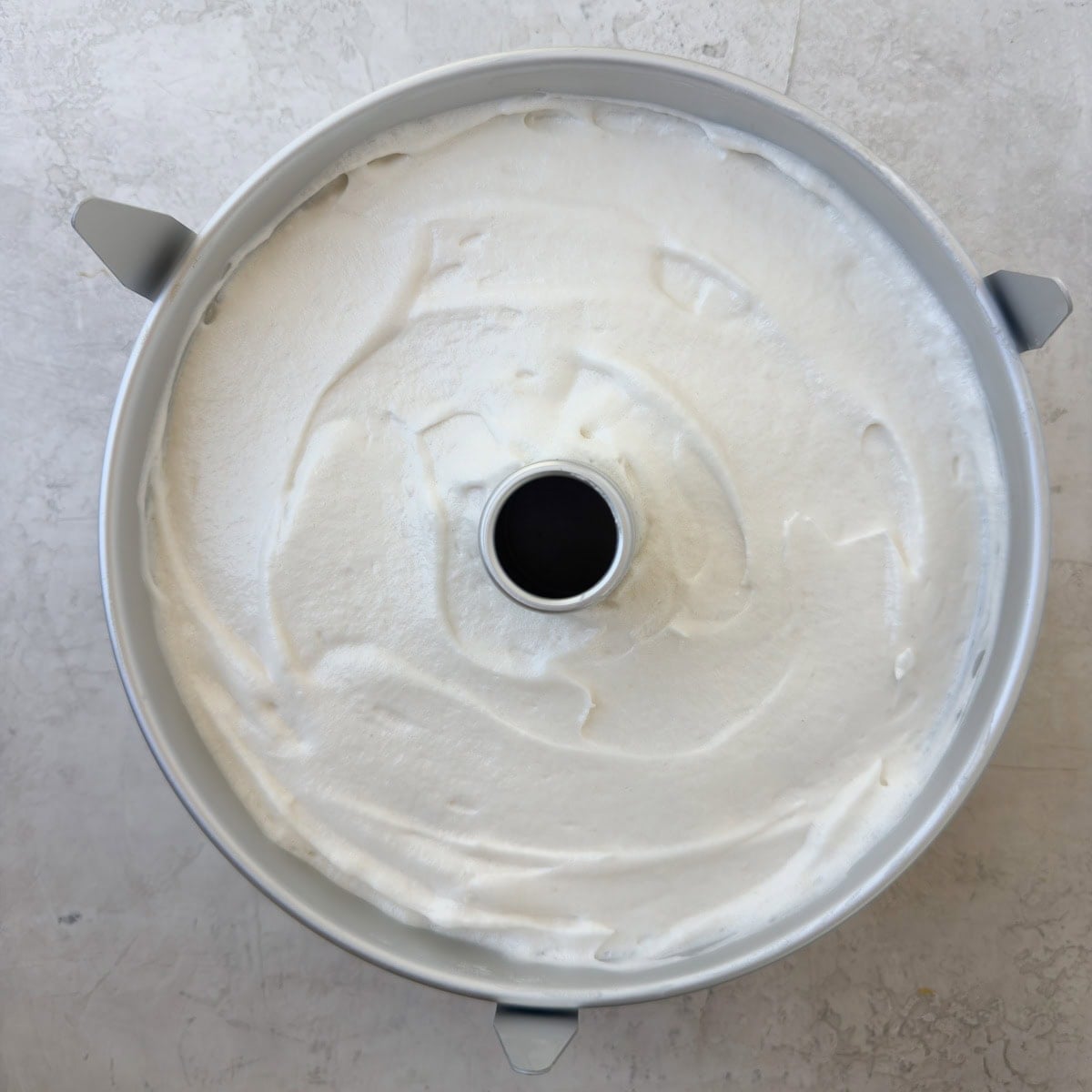
9. Smooth top again if needed.
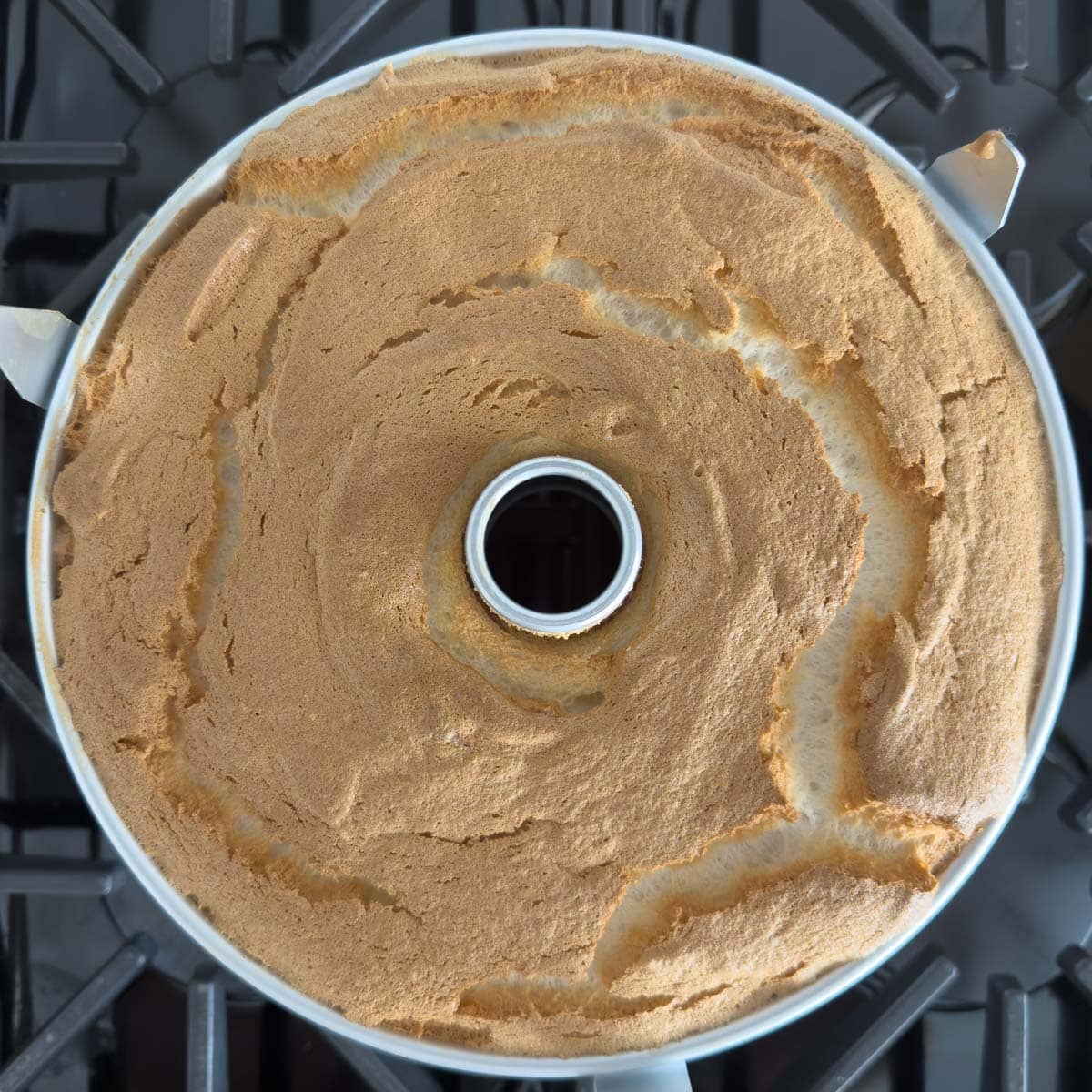
10. Bake for 35-45 minutes until the top is golden brown, dry, and springs back when touched.
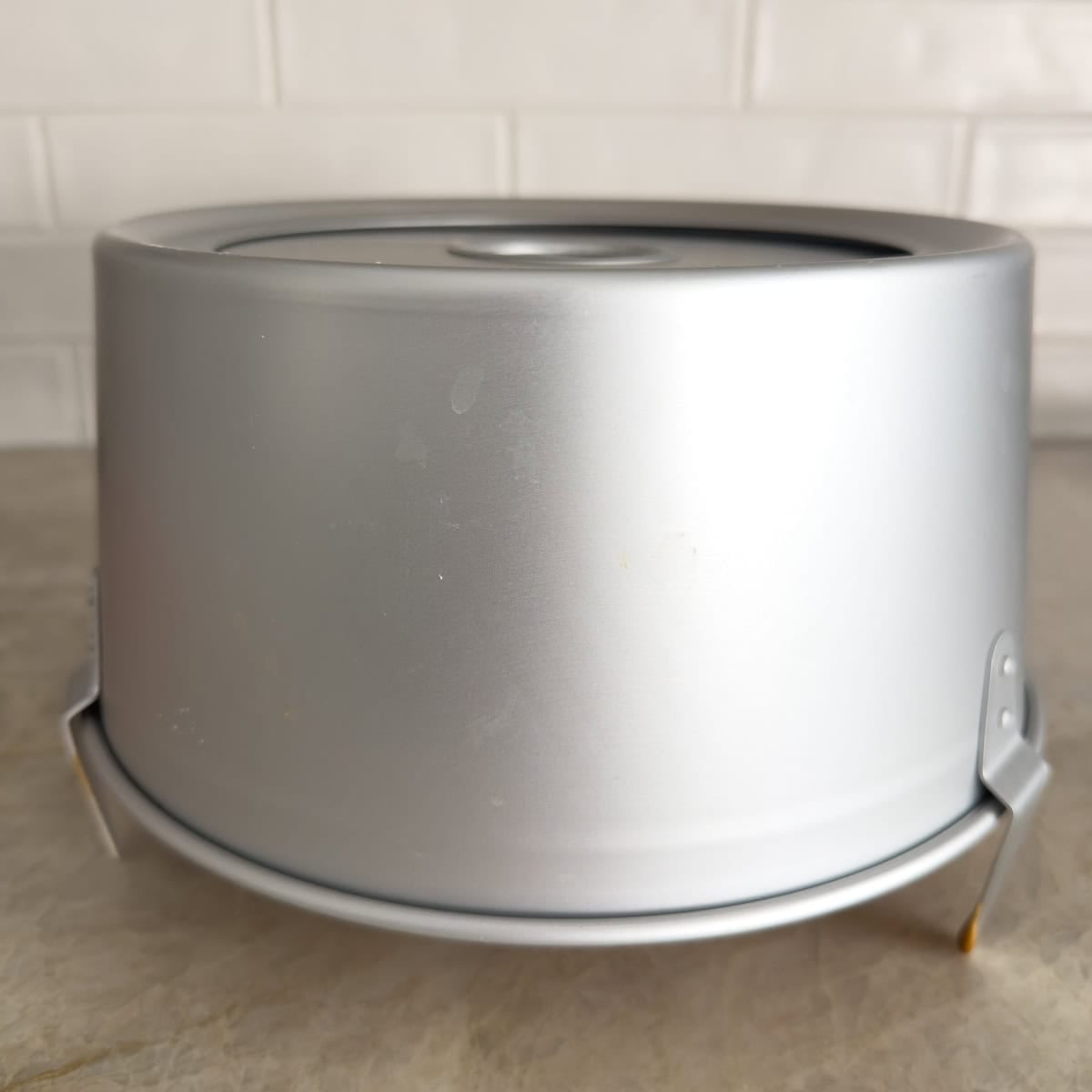
11. Immediately invert the cake and cool completely, about 2-3 hours. Do not attempt to slice it while warm.
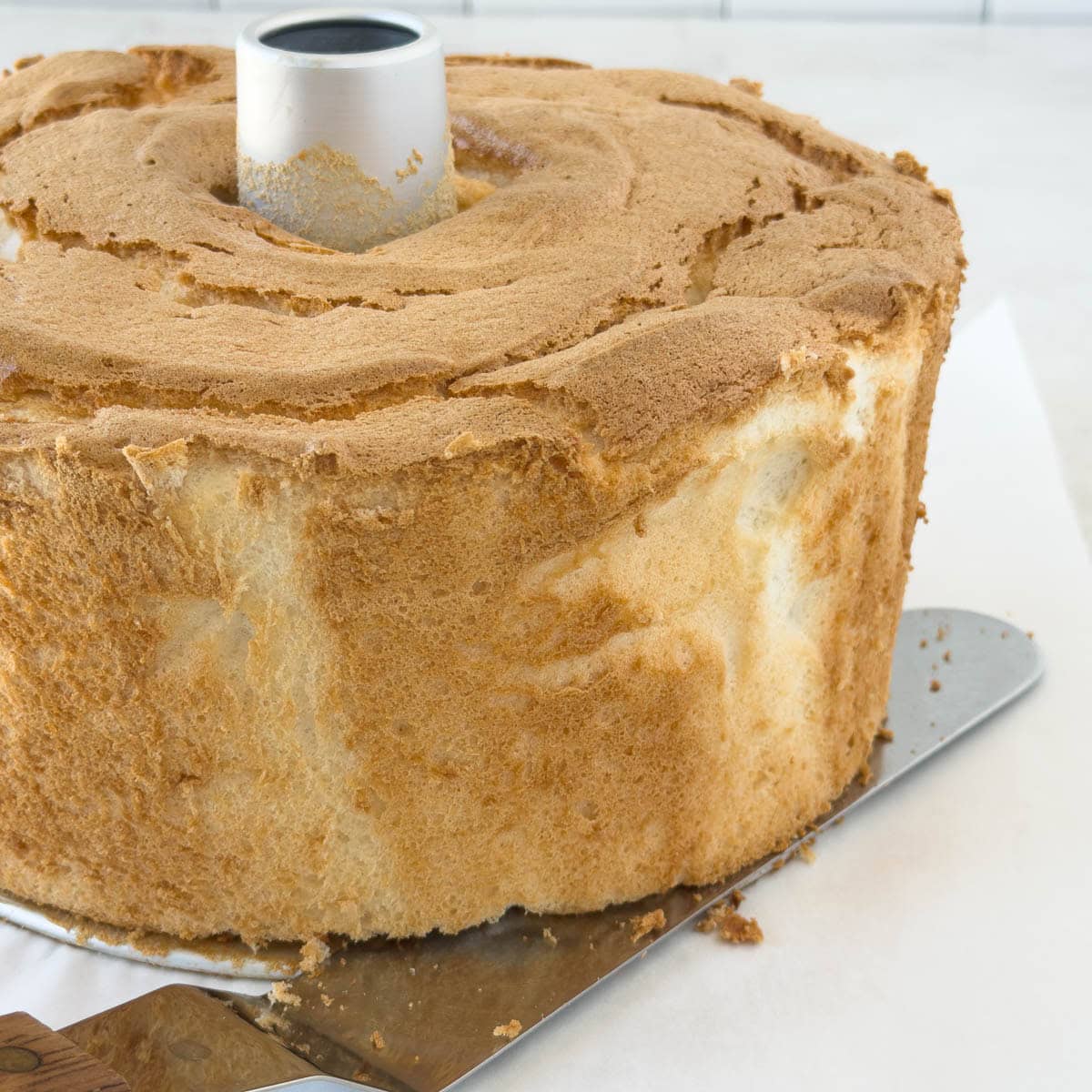
12. Remove the cake from the pan with a long thin knife or offset spatula, then invert onto a cake plate. Serve angel food cake bottom-side up. A few small holes or air pockets are normal.
Chef's Tip: Freeze leftover egg whites to make angel food cake
If you make custards, ice cream, pastry cream, or lemon curd where you use just the yolks, freeze the extra egg whites for angel food cake. They work great. Freeze them in a labeled airtight container. Thaw overnight in the refrigerator or faster in a sealed container set in cold water, changing the water every 20-30 minutes, then bring to room temperature before whipping for best volume.
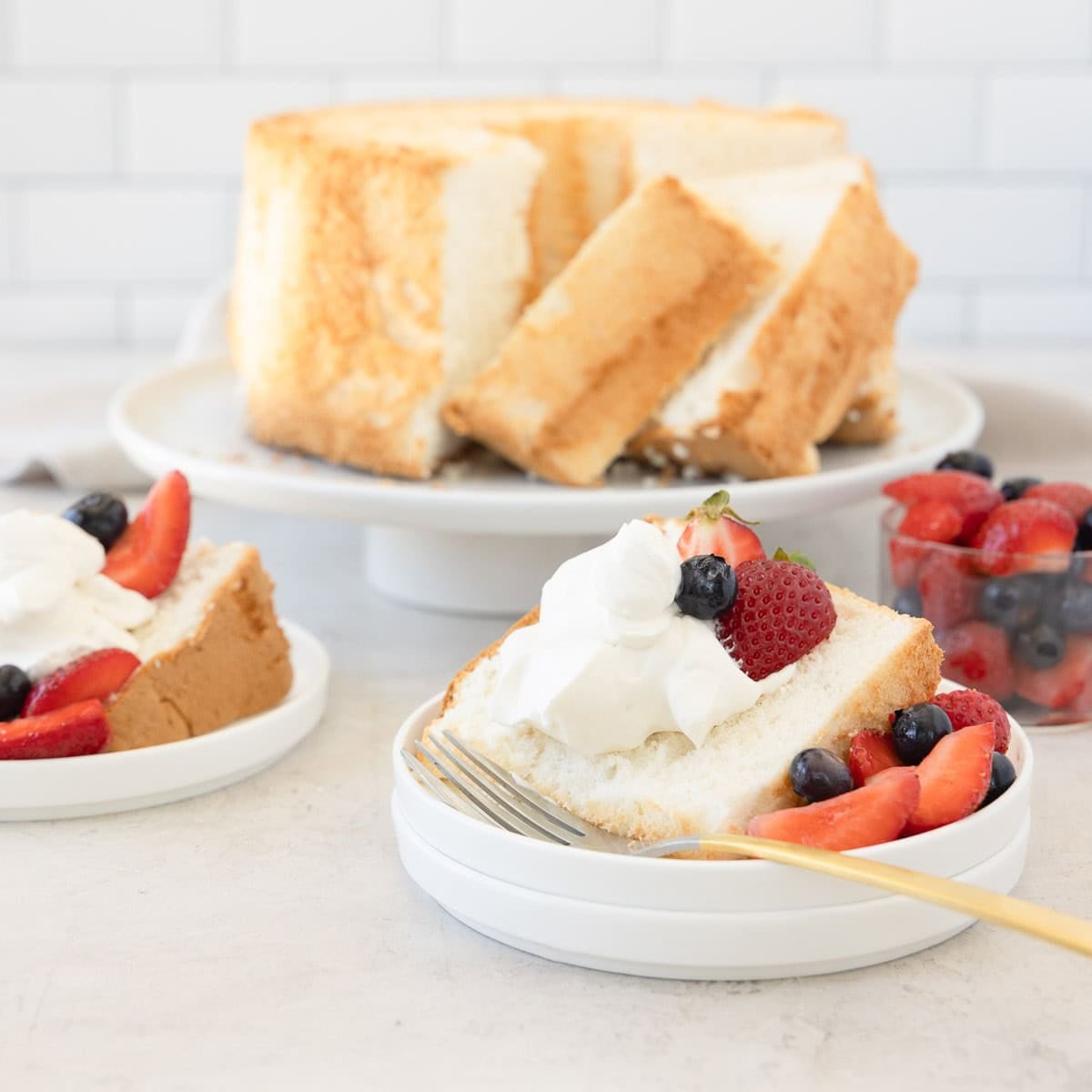
Serving Suggestions
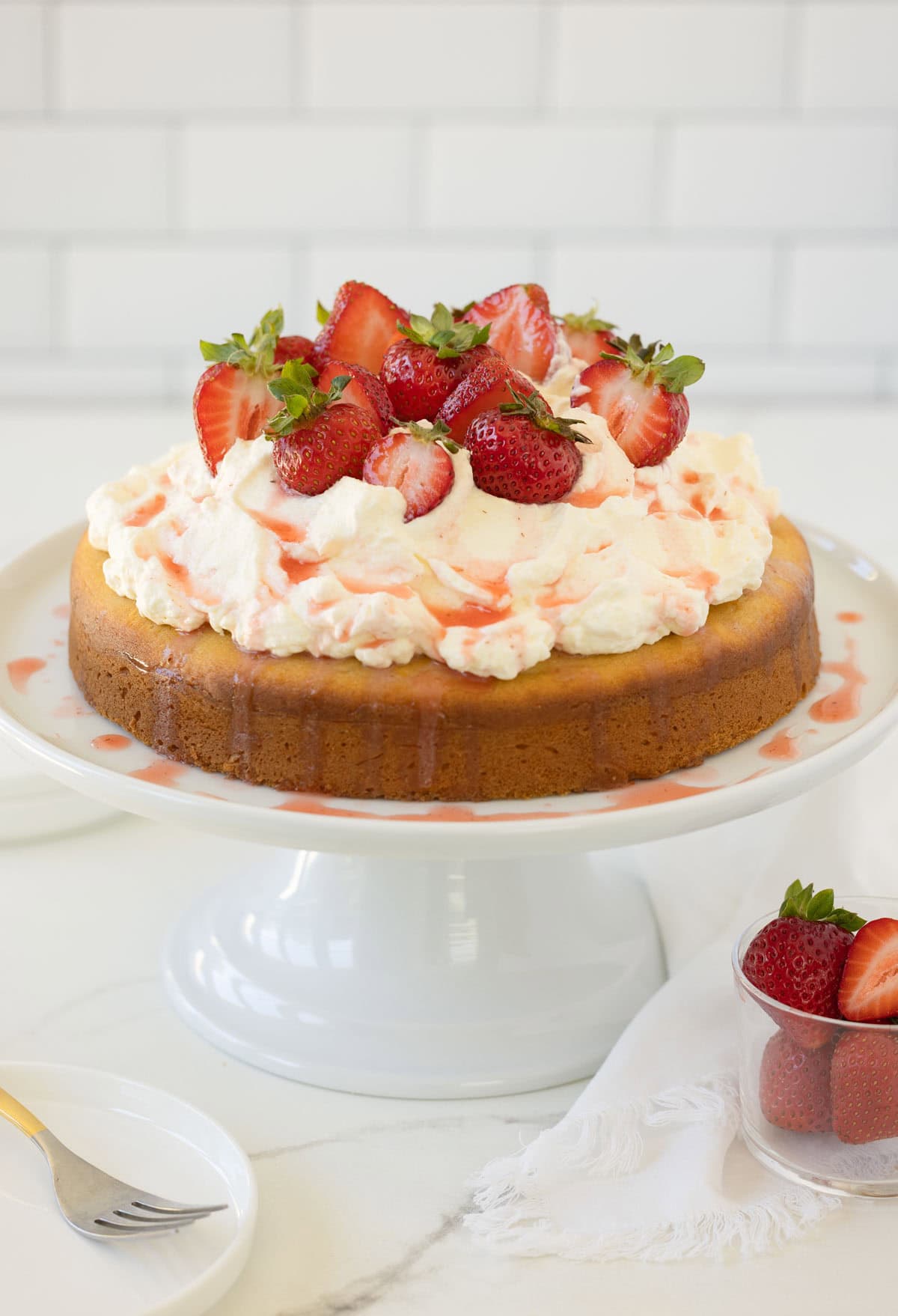
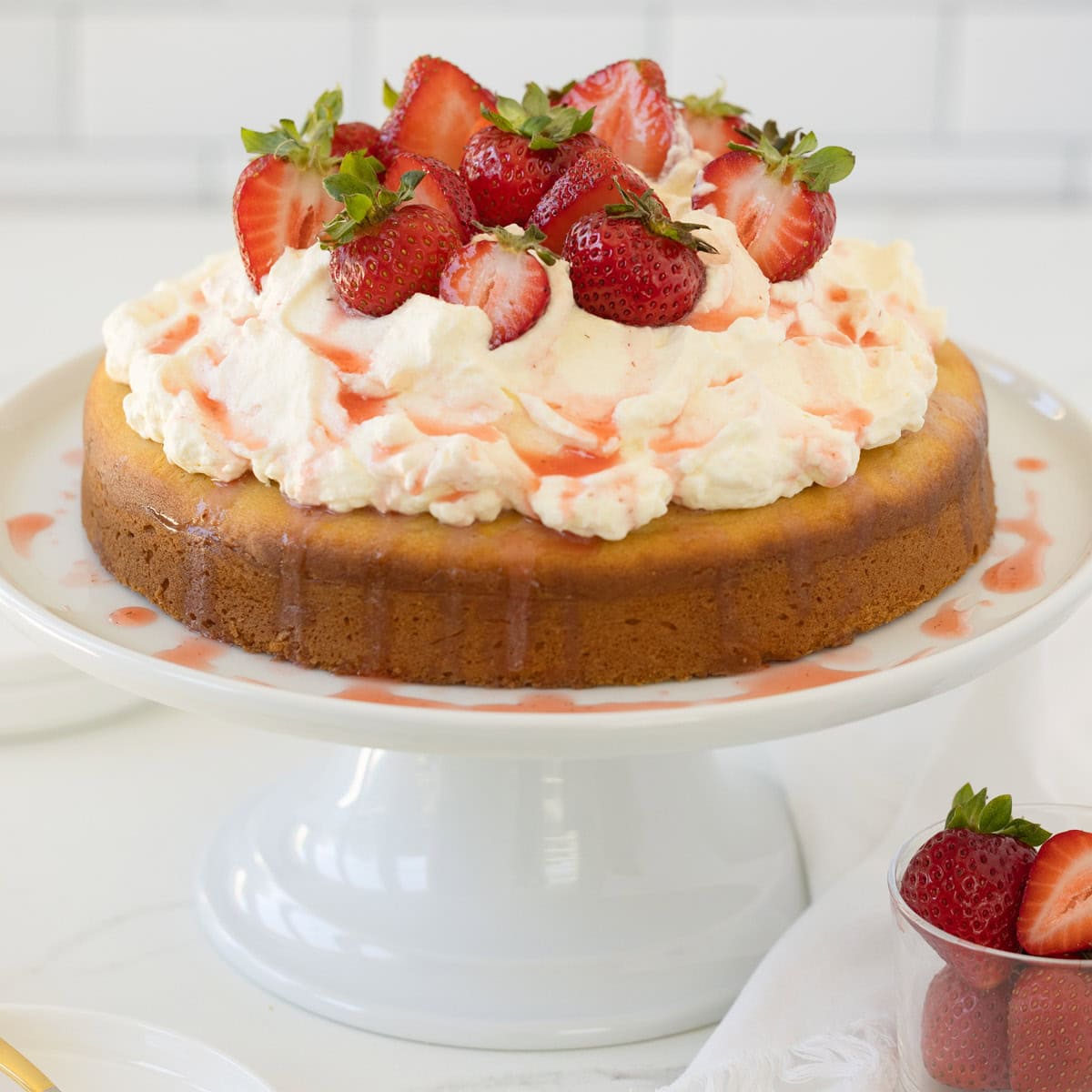
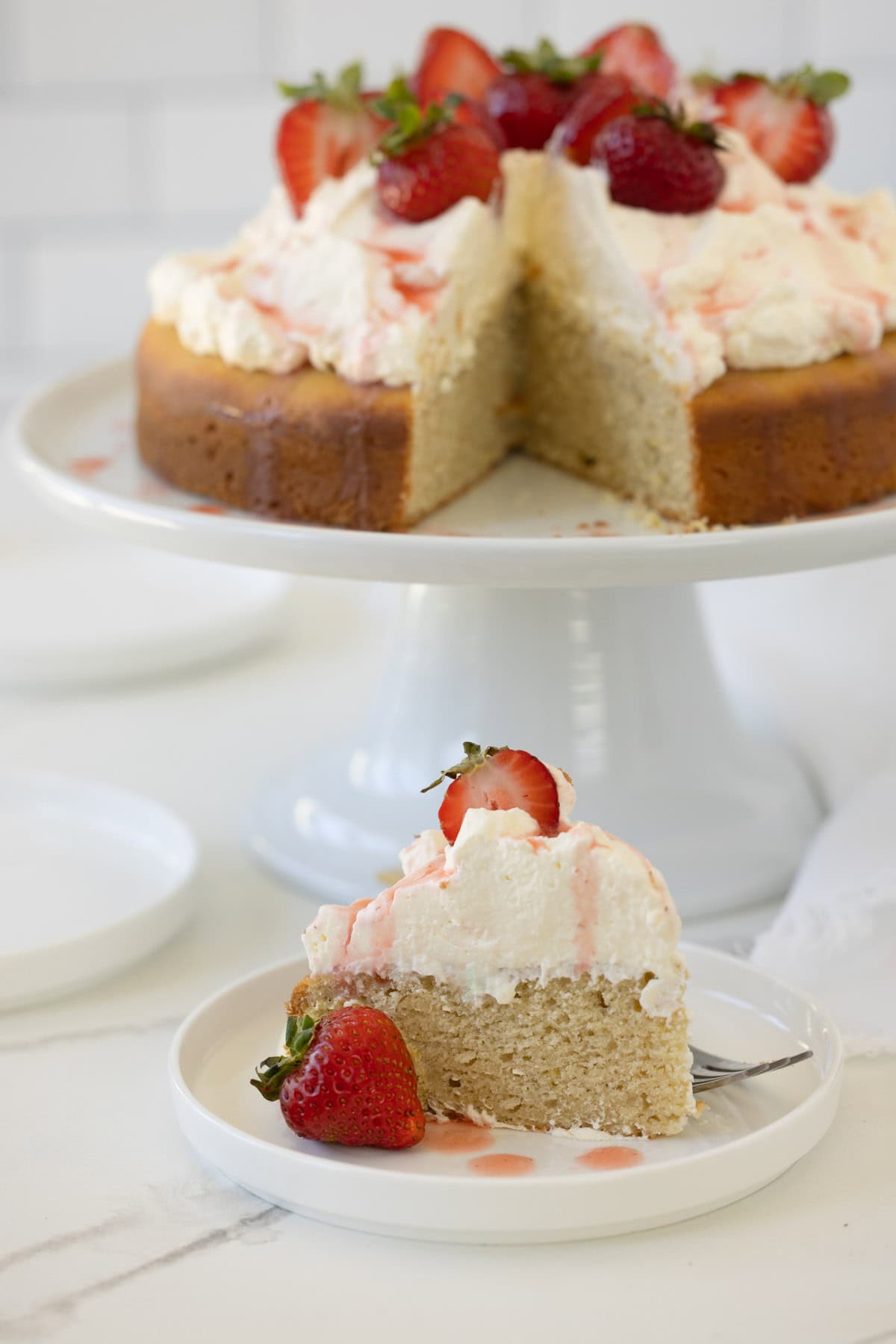
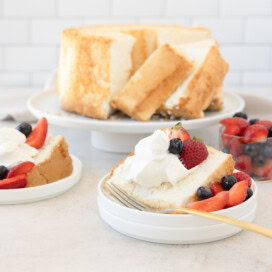
Serve this homemade gluten-free angel food cake plain, dusted with powdered sugar, or topped with whipped cream and fresh berries. It's also lovely with sliced strawberries, blueberries, raspberries, or lemon curd. Berry sauces work well too, such as raspberry sauce, or strawberry coulis.
For clean slices, use a serrated knife and a gentle sawing motion so you don't compress the cake's light, airy texture.
How to Store Gluten-Free Angel Food Cake
Store angel food cake covered at room temperature for 1-2 days, or refrigerate for up to 4 days. Keep it well covered so it doesn't dry out.
For longer storage, freeze slices tightly wrapped for up to 2 months. Thaw at room temperature before serving.
Recipe FAQs
Yes. Gluten-free angel food cake is best made the day before or the morning of serving. Store it covered at room temperature for 1-2 days, or refrigerate for up to 4 days.
I don't recommend carton egg whites for this recipe. Because they are pasteurized, they usually don't whip as high or hold as much volume as fresh or frozen-thawed egg whites.
Angel food cake can fall if the pan is greased, the egg whites are over-whipped or under-whipped, the flour is folded in too aggressively, or the cake is not cooled upside down completely.
Yes. Wrap slices tightly and freeze for up to 2 months. Thaw at room temperature before serving.
Use an un-greased tube pan with a removable bottom. The batter needs to cling to the sides of the pan as it rises, and the center tube helps the cake bake evenly.
More Cake Recipes
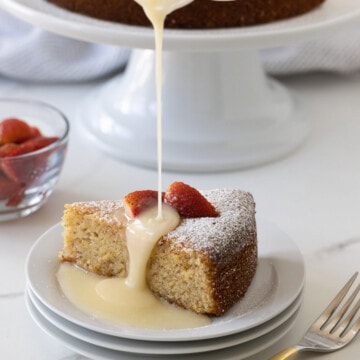
Love to bake cakes? No one would ever guess these cakes are gluten-free.

If You Make This Recipe
If you make this angel food cake, please drop me a comment and let me know how you served it. I love hearing from you and your comments help other readers too. Thanks for supporting my site.
📖 Recipe
Gluten-Free Angel Food Cake
Equipment
- Stand mixer 5-7 quart size
- Offset spatula optional but handy
Ingredients
- ¾ cup all purpose gluten-free flour blend without xanthan gum, I use King Arthur
- ¼ cup cornstarch
- 1 ½ cups superfine sugar
- 1 ½ teaspoons cream of tartar
- ¼ teaspoon fine sea salt
- 1 ½ teaspoons vanilla extract
- ½ teaspoon almond extract
Optional toppings
- 1 pint heavy whipping cream
- 1 ½ teaspoons vanilla extract
- 2 tablespoons superfine sugar or powdered sugar
- strawberries and blueberries
Would you like to save this recipe?
Instructions
Sift flour and cornstarch
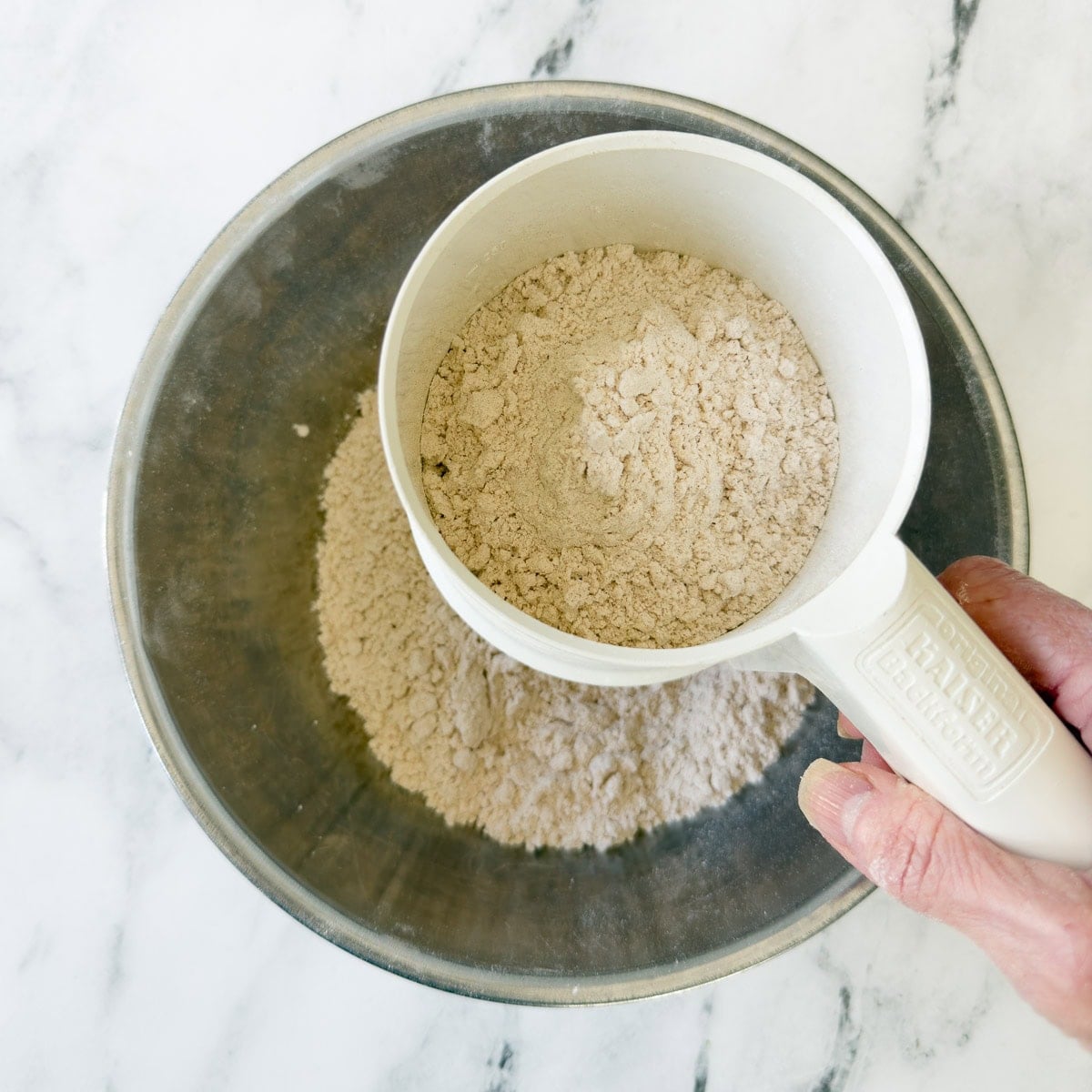
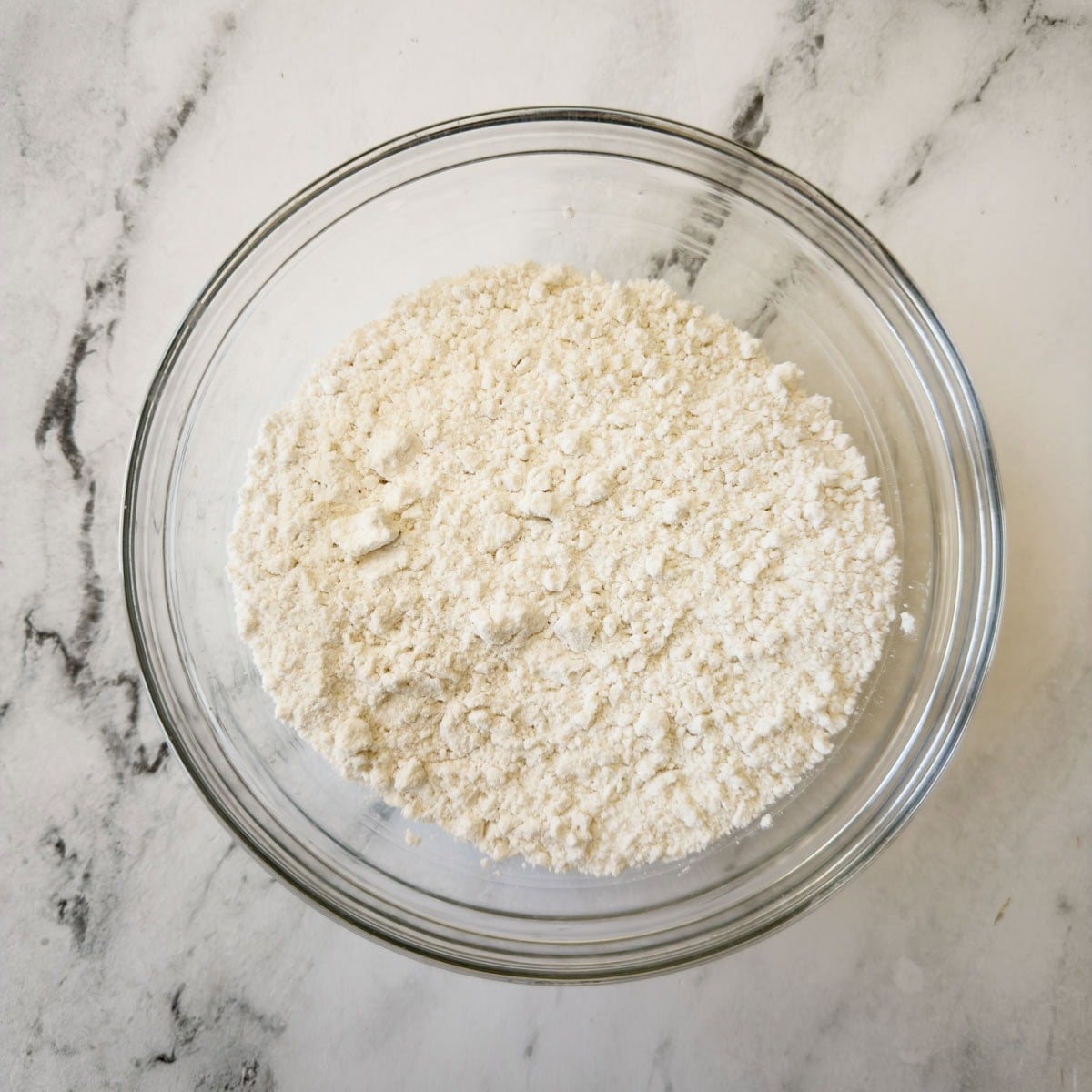
- Pre-heat the oven to 350°F. Sift the flour and the cornstarch together twice so it is very fine and folds into the egg whites easily.
Make superfine sugar (if needed)
- If making superfine sugar, process granulated sugar for about 10 seconds in a high-speed blender, or 15-30 seconds in a food processor, until it resembles fine sand. Do not over-process or you'll have powdered sugar.
Whip the egg whites
- Add room-temperature egg whites to the bowl of a standing mixer (5-6 quarts) fitted with the whisk attachment. Beat until foamy, then add the cream of tartar and the salt.
Build the meringue
- Continue beating until soft peaks form. Gradually add the sugar, a few tablespoons at a time. Beat until the meringue is glossy with medium peaks. Beat in the vanilla and almond extract.
Fold in the flour
- Gently fold the sifted flour mixture into the egg whites in several additions with a large flexible spatula, using a light hand so you don't deflate the batter.
Fill the pan, release air pockets
- Spoon the batter into the un-greased angel food cake pan. Smooth the top. Run a thin table knife through the batter and around the inner and outer edges to release large air pockets. A few small holes are normal with angel food cake. Smooth top again if needed.
Bake the cake
- Bake until the cake is golden, dry on top, and springs back when lightly touched, about 35-45 minutes.
Cool upside down
- Immediately invert the pan and cool completely upside down. Use the pan's feet, or place the center tube over a sturdy bottle or funnel. Cooling upside down helps the cake maintain its height and airy texture. Plan on 2-3 hours for total cooling.
Remove from the pan
- Once completely cool, run a thin knife around the inside outer edge of the cake and center tube. Lift cake out of the pan by the center tube. With a long spatula or long thin knife, separate the cake from the bottom of the pan. Slice with a serrated knife. A tomato knife or small bread knife works great. Serve topped with lightly sweetened whipped cream and berries if desired.