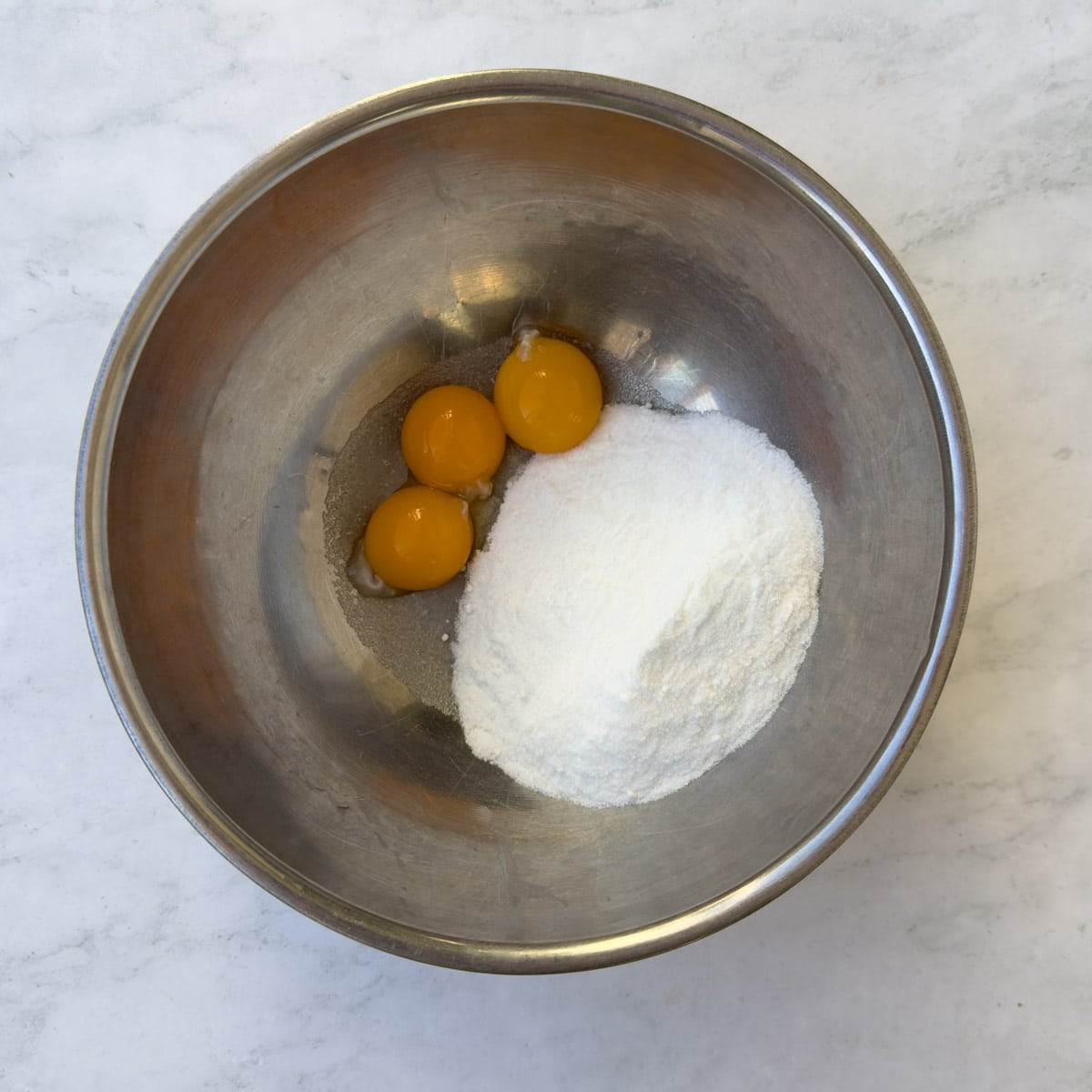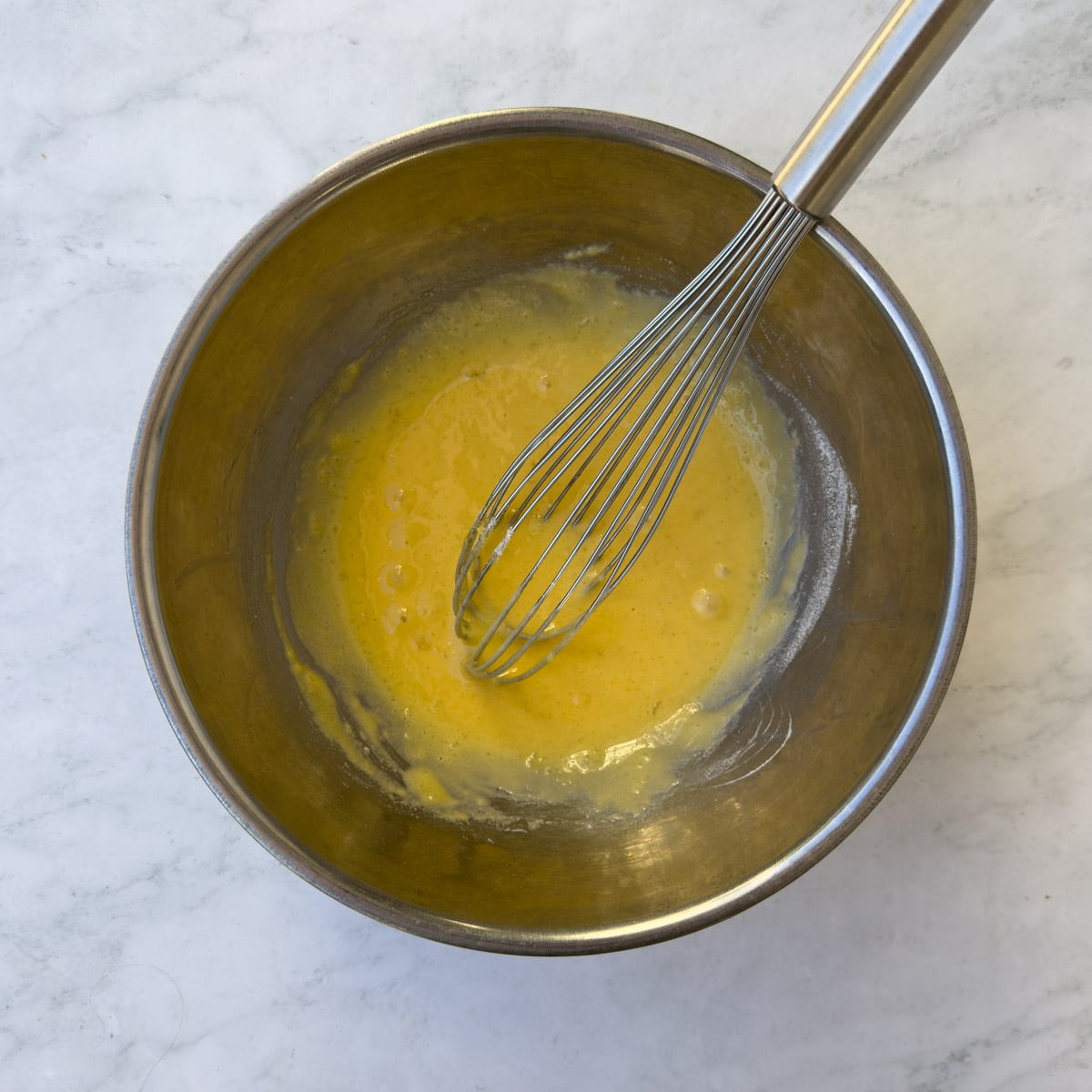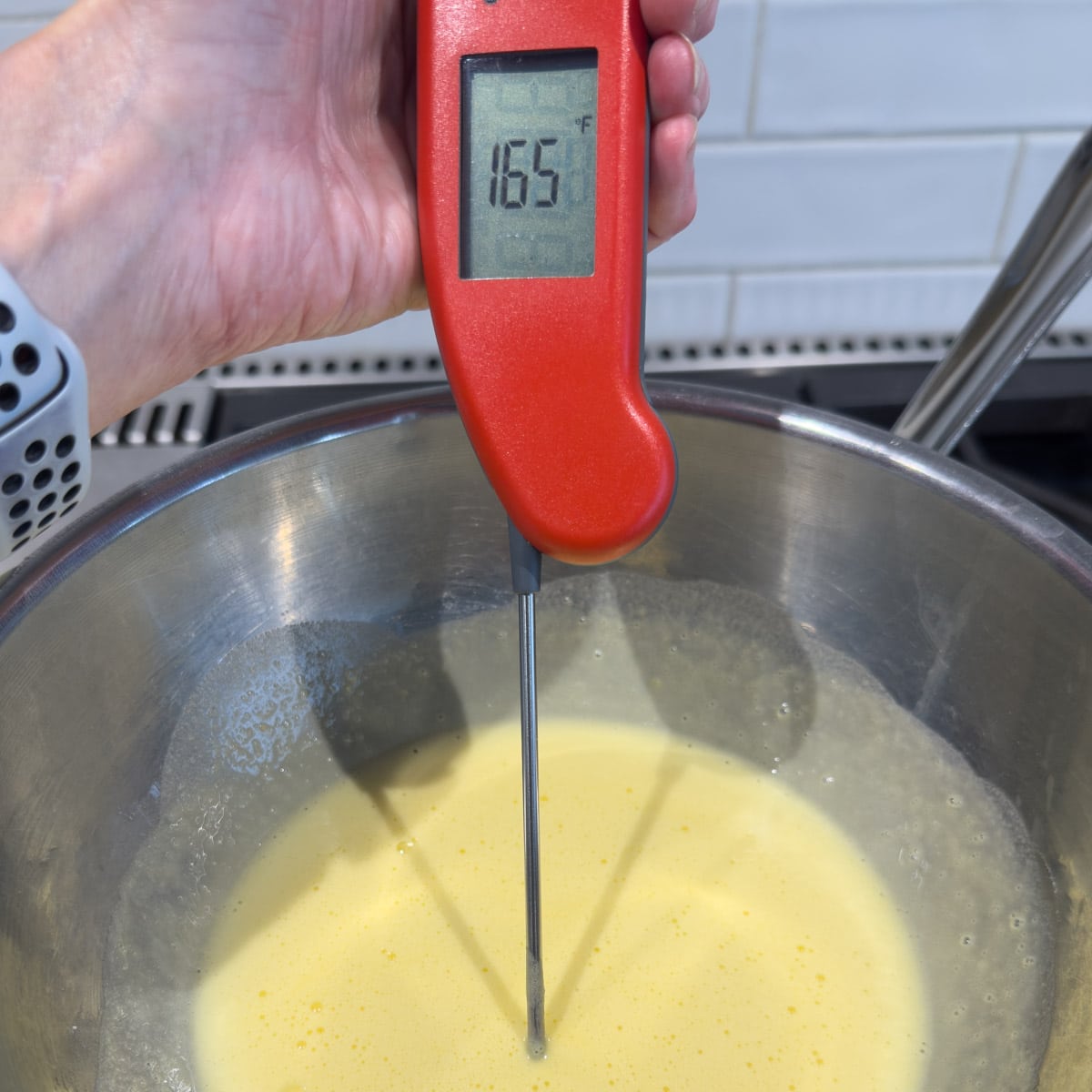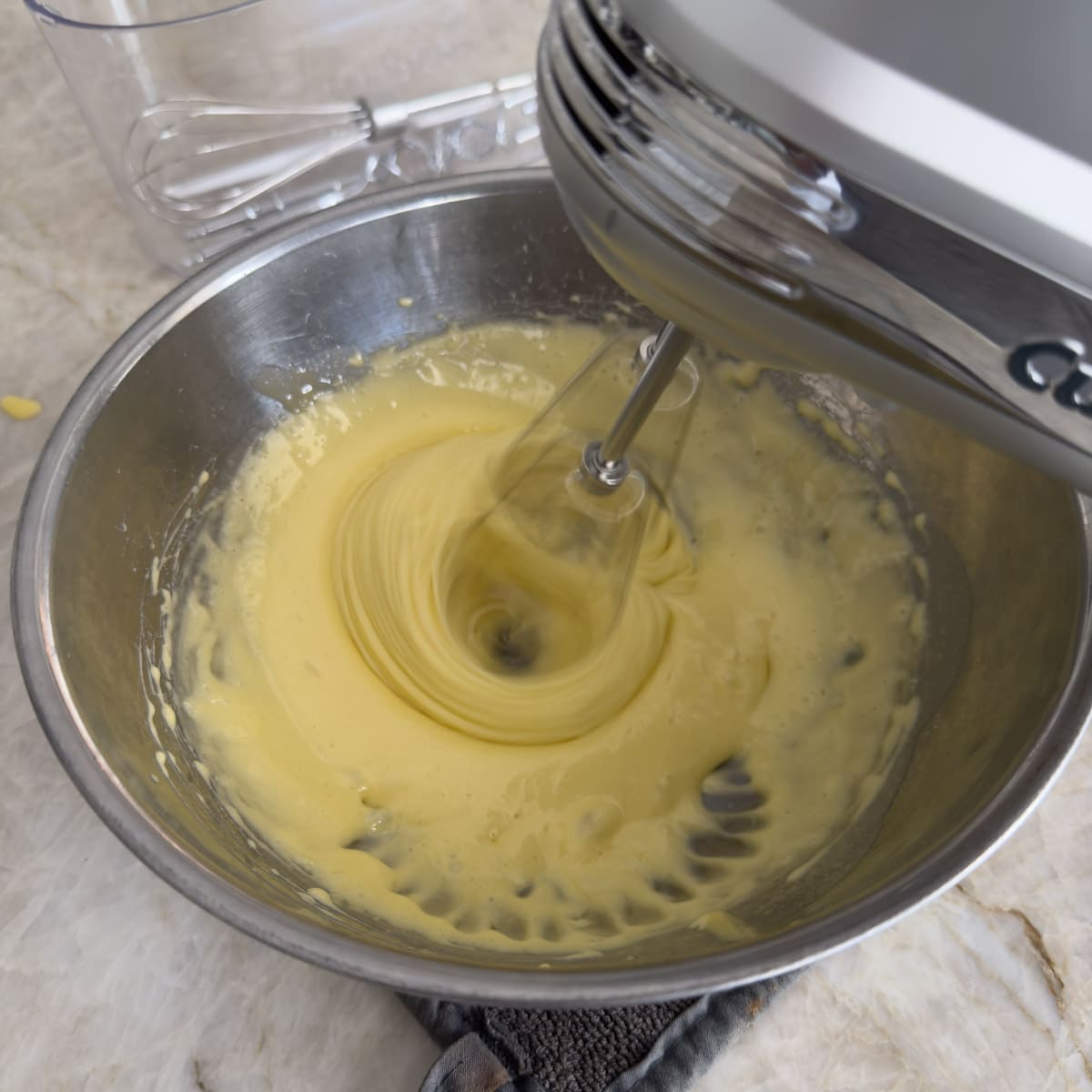

Easy gluten-free crepes bring all the magic of classic French crepes to your kitchen. These thin, delicate pancakes are simple to make and work with both sweet and savory fillings or no filling at all. They taste every bit as delicious as traditional crepes and freeze beautifully, so they're perfect for special breakfasts, quick desserts, or light lunches. A dairy-free option is included too.

While I fell in love with crepes at the street stands of Paris, I still remember my first Crepe Suzette at a tiny French restaurant in San Diego. I was instantly hooked. After going gluten-free, I updated my recipe so we could still enjoy them. These gluten-free crepes are easy, flexible, and made with simple ingredients you probably already have on hand.
[feast_advanced_jump_to]Gluten-Free Crepes Recipe Highlights
- Sweet or savory - Serve gluten-free crepes for breakfast, lunch, dinner, or dessert.
- Make ahead friendly - Refrigerate or freeze the crepes for later.
- Flexible for everyone - Not gluten-free? Use all-purpose flour or white whole wheat flour.
- Dairy-free option - Use unsweetened oat milk and dairy-free butter to grease the pan while cooking.
- Easy to serve - Fill and roll, or simply fold and stack crepes with your favorite fillings.
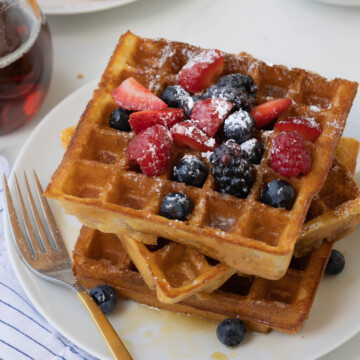
For another gluten-free breakfast recipe try these golden crisp waffles.
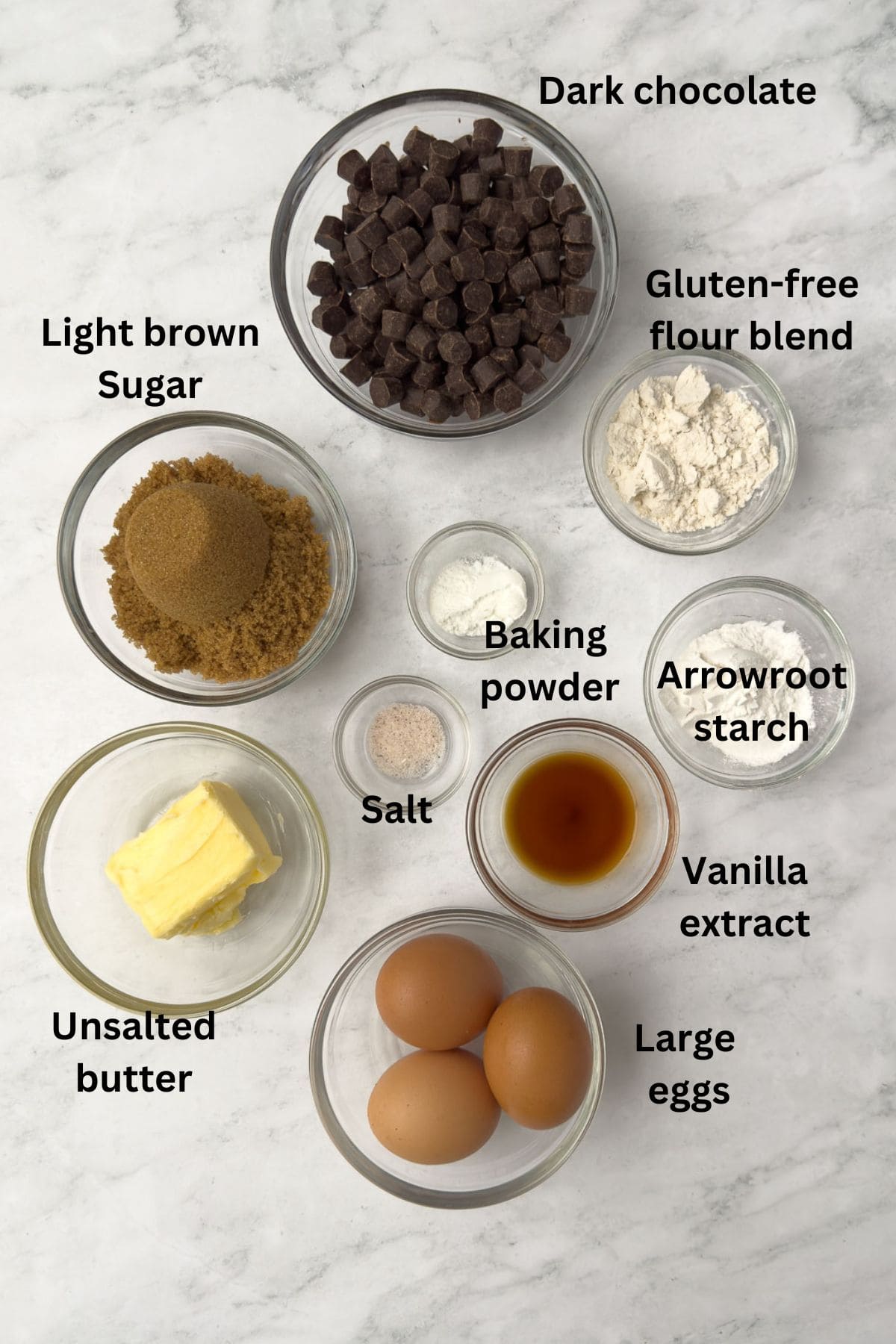
Ingredients You'll Need

- Flour - Use a gluten-free flour blend but you can make them with all purpose flour (wheat flour) as well. The gluten-free ones are so good no one would know they are gluten-free crepes. Seriously.
- Milk - I use what I have in the fridge, usually low fat but whole milk is good too.
- Eggs - Large eggs, clean, un-cracked.
- Butter - I use unsalted butter for gluten-free crepes, especially sweet crepes.
- Sugar - To reduce sugar, I usually use monk fruit, but you can use regular or superfine sugar. Use sweetener only for sweet, dessert crepes. Omit for savory crepes.
- Flavorings - For dessert crepes, a little vanilla extract is nice. For savory crepes, omit.
Please see the recipe card for measurements and salt.
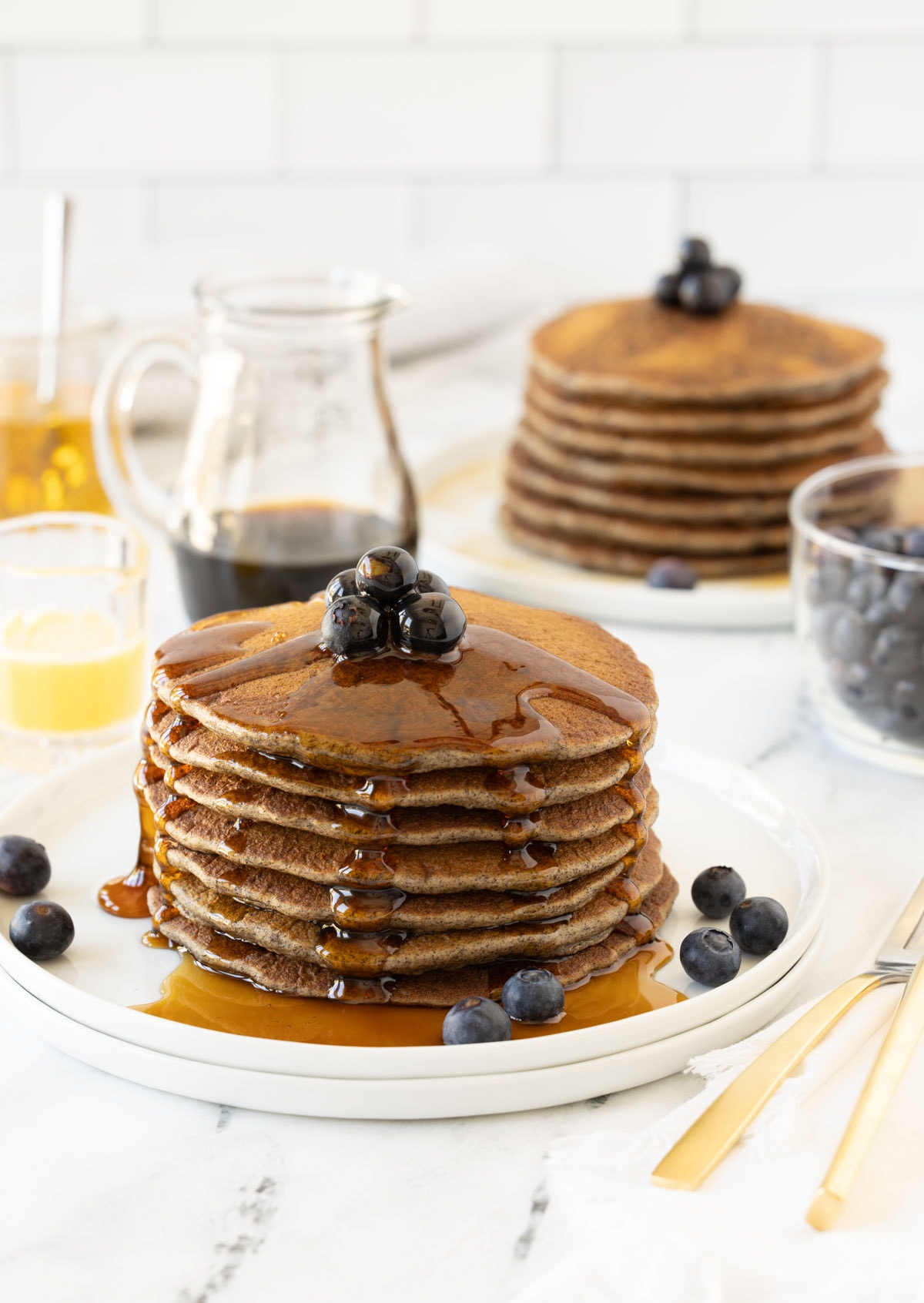
For another style of pancake, try these hearty buckwheat pancakes, entirely gluten-free.
Chef's notes on flours: I've made gluten-free crepes with both King Arthur Gluten-Free Measure for Measure flour (with xanthan gum) and King Arthur Gluten-Free All-Purpose flour (without). Both work well. The all-purpose flour without xanthan gum may make a slightly more tender crepe. Similar gluten-free flour blends should work too. I have not tested this recipe with cornstarch-heavy blends such as Cup4Cup.
Substitutions and Variations
- Almond flavor - For dessert crepes, try almond extract instead of vanilla extract.
- Citrus twist - Make lemon crepes with fresh lemon zest and a little lemon juice, or add a touch of orange flower water.
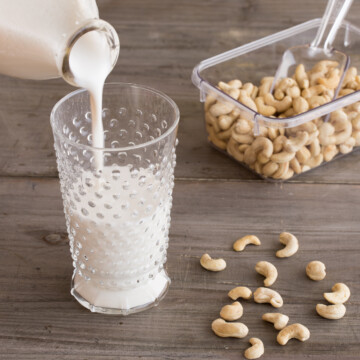
- Dairy-free option - For dairy-free crepes, use plant-based butter and dairy-free milk. Unsweetened oat milk is my recommendation, though almond milk should work too.
- Savory crepes - Omit the vanilla and sugar for savory fillings.
Tools for Making Crepes
None of these tools for making crepes are expensive, plus they are versatile and good for many uses beyond crepes. This is what I use for making crepes, but I've listed alternatives.
- A crepe pan: The best pan is a 10" non-stick crepe pan. The good news is they are inexpensive, and not only usable for crepes but for eggs and other foods. The crêpe pan I use is light weight and allows you to handle and swirl the batter to cover the pan bottom to make a crepe. You can also use a 10" nonstick skillet instead of a special crepe pan. The benefit of a real crepe pan is the sides are low, so it's easier to turn the crepes.
- A mini off-set spatula: This cheap little tool is something I reach for often, not just for crepes. If you don't want to bother, use a fork. You need something to gently life the edges of the crepe while it cooks to peak underneath, then grab the edges to flip it.
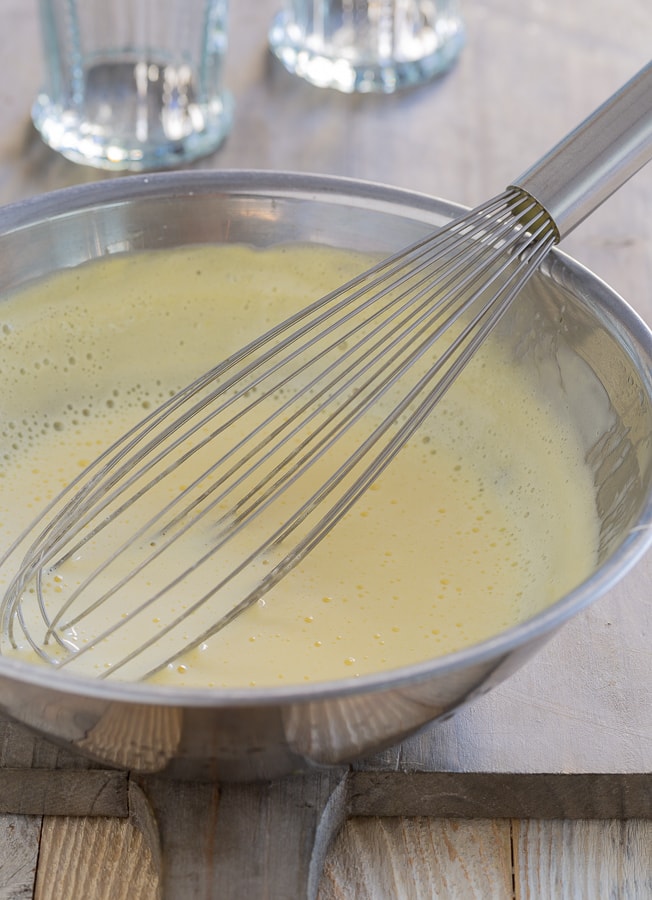
- Blender: While you can make gluten-free crepe batter by hand in a medium bowl with a whisk, a good blender does a better job. If making crepe batter by hand, whisk it very well until smooth and if needed, strain out any lumps.
- Fine sieve: A fine sieve is a basic tool everyone should have in the kitchen. Flour for crepes must be sifted to lighten and aerate the batter and remove any lumps. You can also use an old fashioned sifter. If you like to bake, you'll love having a sifter. It's faster than using a sieve, but both work. Find them at kitchen stores, Walmart, online, etc.
- Parchment paper: I buy handy 9" parchment rounds to layer finished and cooled crepes when making them ahead. You can use parchment squares or wax paper as well and trim them to fit. The rounds fit perfect, and you can use them to line cake pans and springform pans.
How to Make Gluten-Free Crepes
Note: I've made gluten-free crepes with ¼ cup of batter for very thin crepes, and with ⅓ cup, for crepes that are just a little sturdier (and still delicious). That's only 1 tablespoon difference, both work.


Chef's tip: Why rest the batter? For better results. So the flour hydrates, any bubbles dissipate for a smoother batter, and for more delicate crepes. The flavor is also better. Rest 30 minutes. I've made batter up to 2 days in advance then whisked well to reincorporate. I also get it out of the refrigerate and let it stand to get the chill off, until the temperature is closer to room temperature.


When crepes are cool, wrap in plastic film then into a zip-stye bag. Refrigerate for 3-4 days or freeze up to 4 months (remember to label and date).
Chef's tip: Frozen crepes are fragile. Place as many gluten-free crepes as you need in the refrigerator overnight to thaw and handle with care so they don't break. Allow crepes to thaw completely before unwrapping and separating to prevent tearing. The parchment layers really help with handling.
Serving Suggestions
In France, one of the simplest and most beloved ways to enjoy crepes is crêpe au sucre, served with melted butter and a sprinkle of sugar. Crepes filled with Nutella are another favorite. At home, an easy way to serve gluten-free crepes is with good jam, fresh fruit, and a light dusting of powdered sugar or powdered monk fruit for a no-sugar option. Find more ideas below.

Sweet Crepe Ideas
Find your favorite fillings and toppings. Fill crepes with lightly sweetened vanilla whipped cream, also called Chantilly cream, or whipped ricotta sweetened with a little honey. Another option is pureed cottage cheese, blended smooth in a food processor and sweetened however you like.
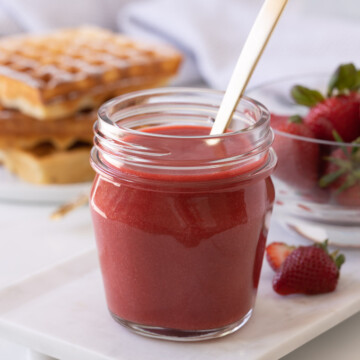
For breakfast, a drizzle of maple syrup is delicious. For dessert, try strawberry coulis, jam, fresh berries, or a little whipped cream. I usually keep it simple with jam, berries, or whipped cream, or all three if I'm serving crepes to friends for dessert.
For a topping that works well for both breakfast and dessert, try this cinnamon apple compote or blueberry compote.
Savory Crepe Ideas
For breakfast, fill savory crepes with softly scrambled eggs and cheese. For lunch or dinner, try a creamy chicken, mushroom, or creamed spinach filling.
A little French restaurant near our house serves buckwheat crepes filled with slices of ham, then topped with a poached egg and cheese. Always a treat.
Savory vegetables make a great filling too, like this roasted vegetable ratatouille, another terrific French-inspired dish.
Recipe FAQs
The best way to achieve lump free crepe batter is with a blender on low speed. Without a blender, whisk well in a bowl until smooth and if lumps persist, strain the batter through a fine sieve before using. Another tip, strain your flour before mixing.
After mixing, rest crepe batter in the refrigerator for 30-60 minutes so the flour has a chance to hydrate. This is especially important for gluten-free crepes.
While I've used carbon steel pans, a non-stick pan frying pan will do. Best is a non-stick crepe pan for making crepes. They are shallow, so the crepes are easy to turn, and not a heavy pan, so they are easy to swirl the batter and handle. The good thing is that non-stick crepe pans are inexpensive and worth buying if you love crepes. They make making crepes easy, so you can enjoy them more often.
You can definitely make crepes ahead of time. Cool crepes then stack them between pieces of parchment paper or wax paper and refrigerate until serving time.
To freeze, just wrap the stack in plastic film and then in a zip-style bag. To freeze, wrap the stack of crepe in layers of plastic wrap then into a freezer-safe bag. Label and date for up to two months. To thaw, place them in the refrigerator overnight. When thawed, gently remove the layers an fill as desire with sweet or savory options.
More Breakfast and Brunch Recipes
Looking for more breakfast and brunch inspiration? Here are a few reader-favorite recipes to add to your table, whether you're planning a cozy weekend breakfast or a special brunch spread.

If You Make Gluten-Free Crepes
Let me know if you made these gluten-free crepes by adding a comment. I appreciate your feedback and enjoy hearing from you. If you loved it, please give it a 5-star rating! They really help other readers.
📖 Recipe

Gluten-free Crepes
Equipment
- 10" non-stick crepe pan or non-stick fry pan
- Mini off-set spatula or fork
- Small pastry brush optional but makes buttering the pan easier
Ingredients
- 1 cup gluten-free flour or regular all purpose flour (wheat)
- 2 cups low fat milk whole milk or plant milk
- 2 large eggs
- 2 tablespoons sugar or monk fruit for sweet crepes only
- ¾ teaspoon vanilla extract sweet crepes only
- 1 pinch salt
- 1 tablespoon unsalted butter or plant butter, melted
Would you like to save this recipe?
Instructions
Make crepe batter
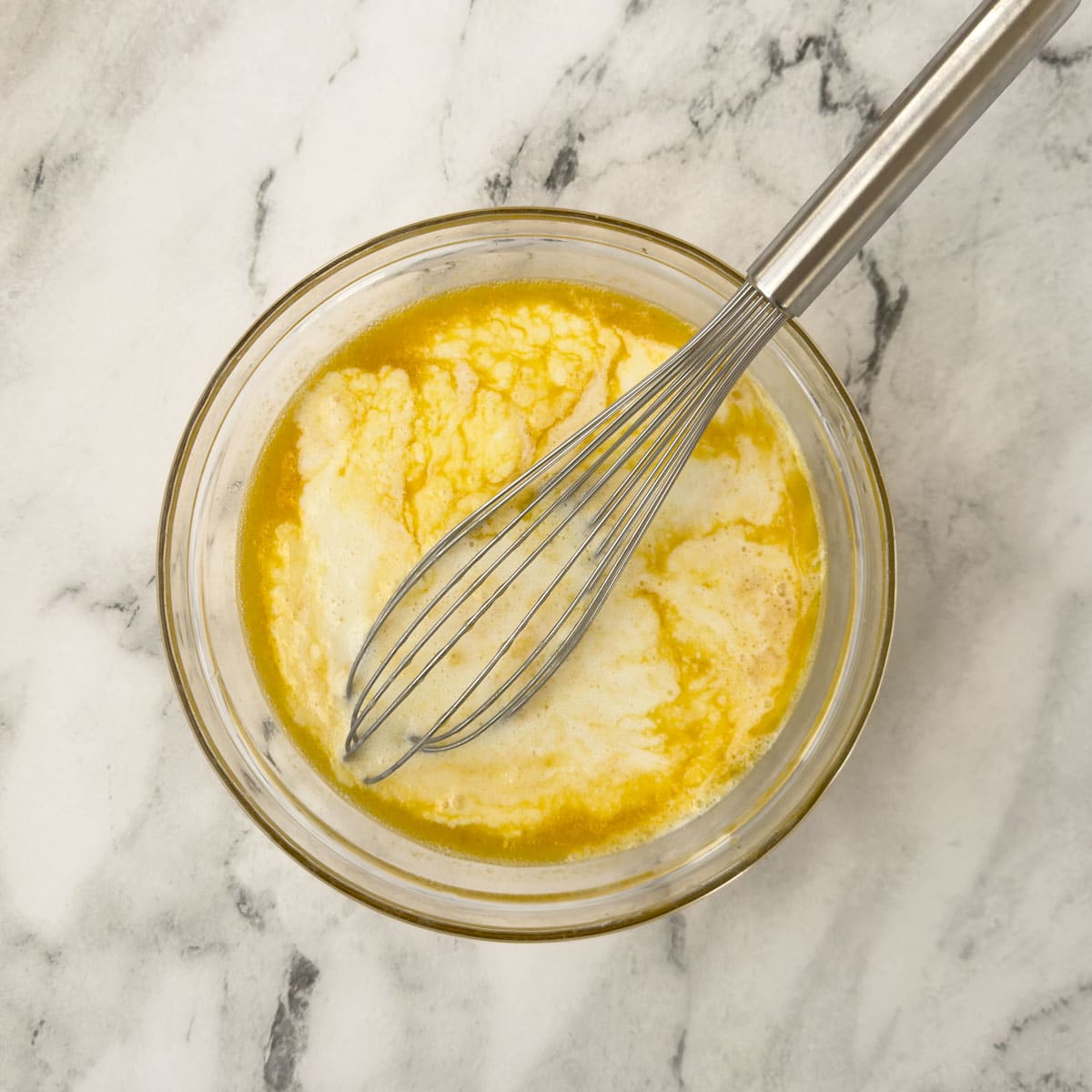
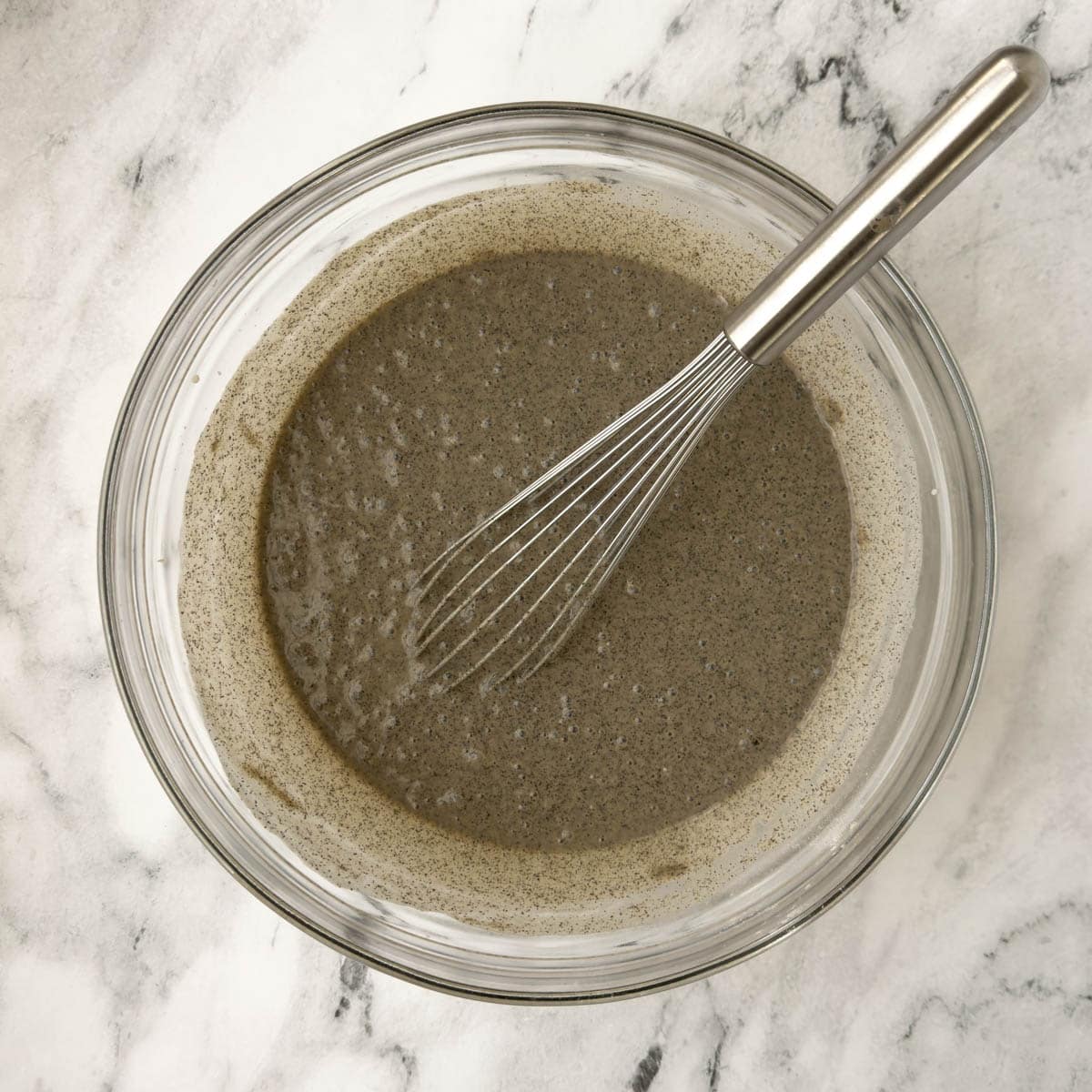
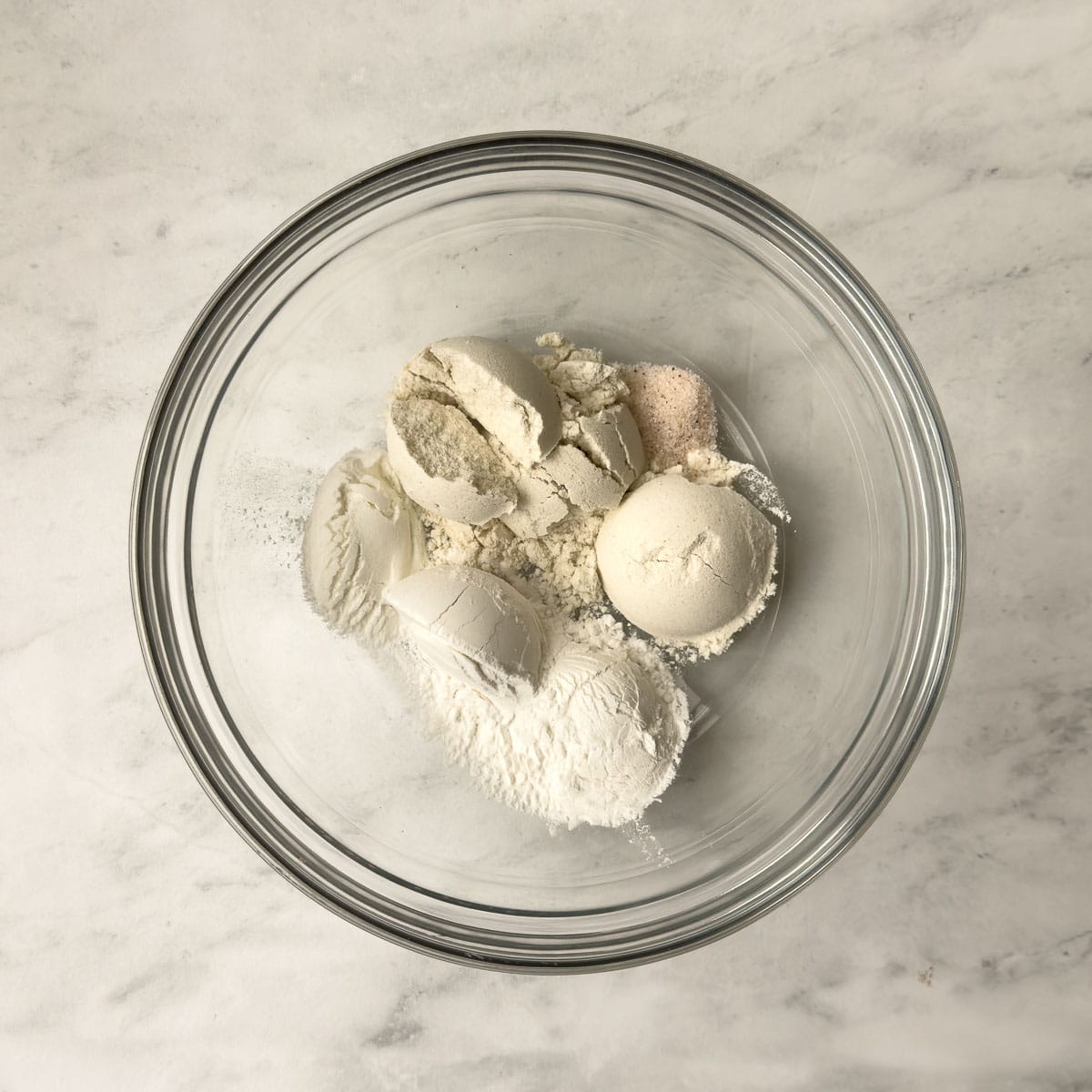
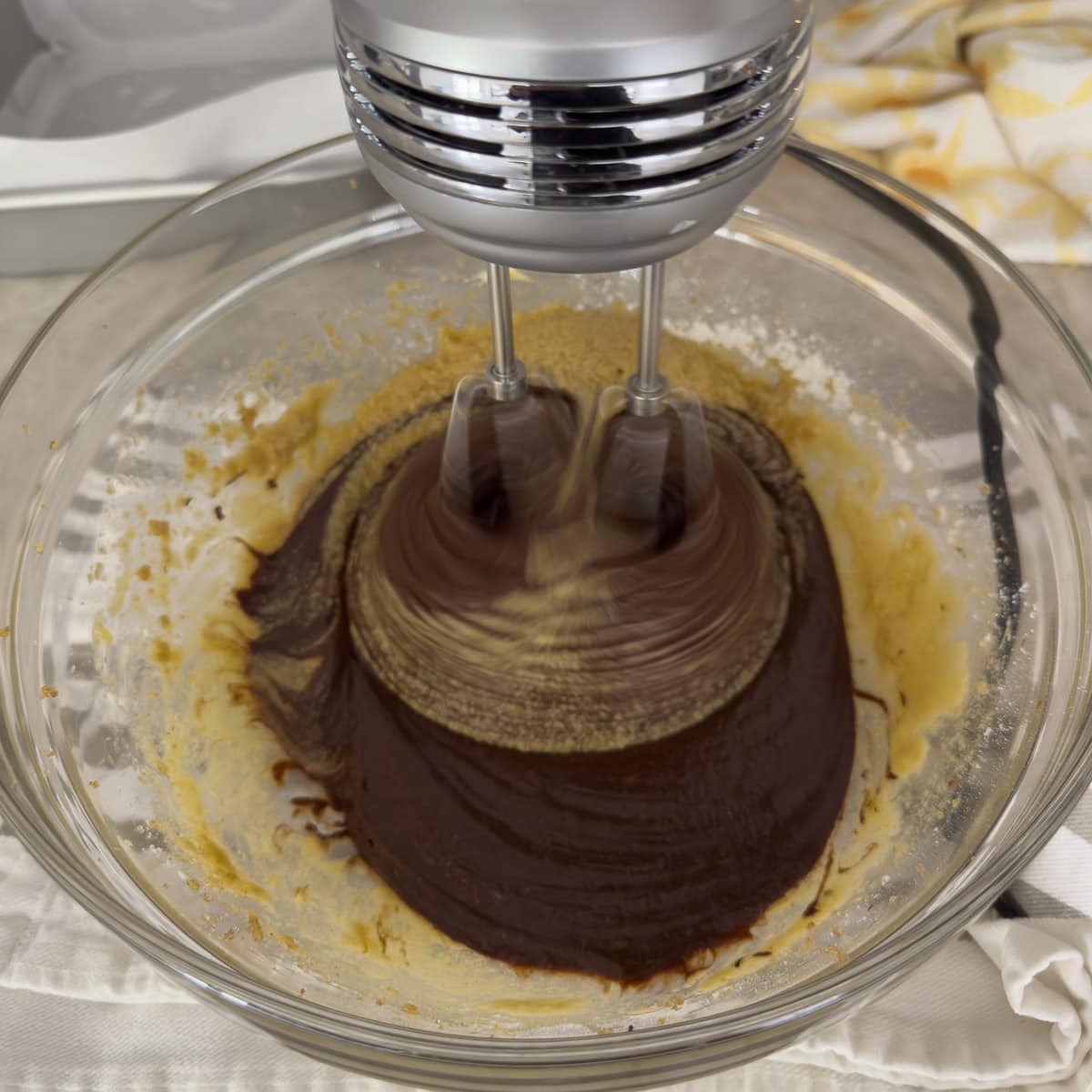
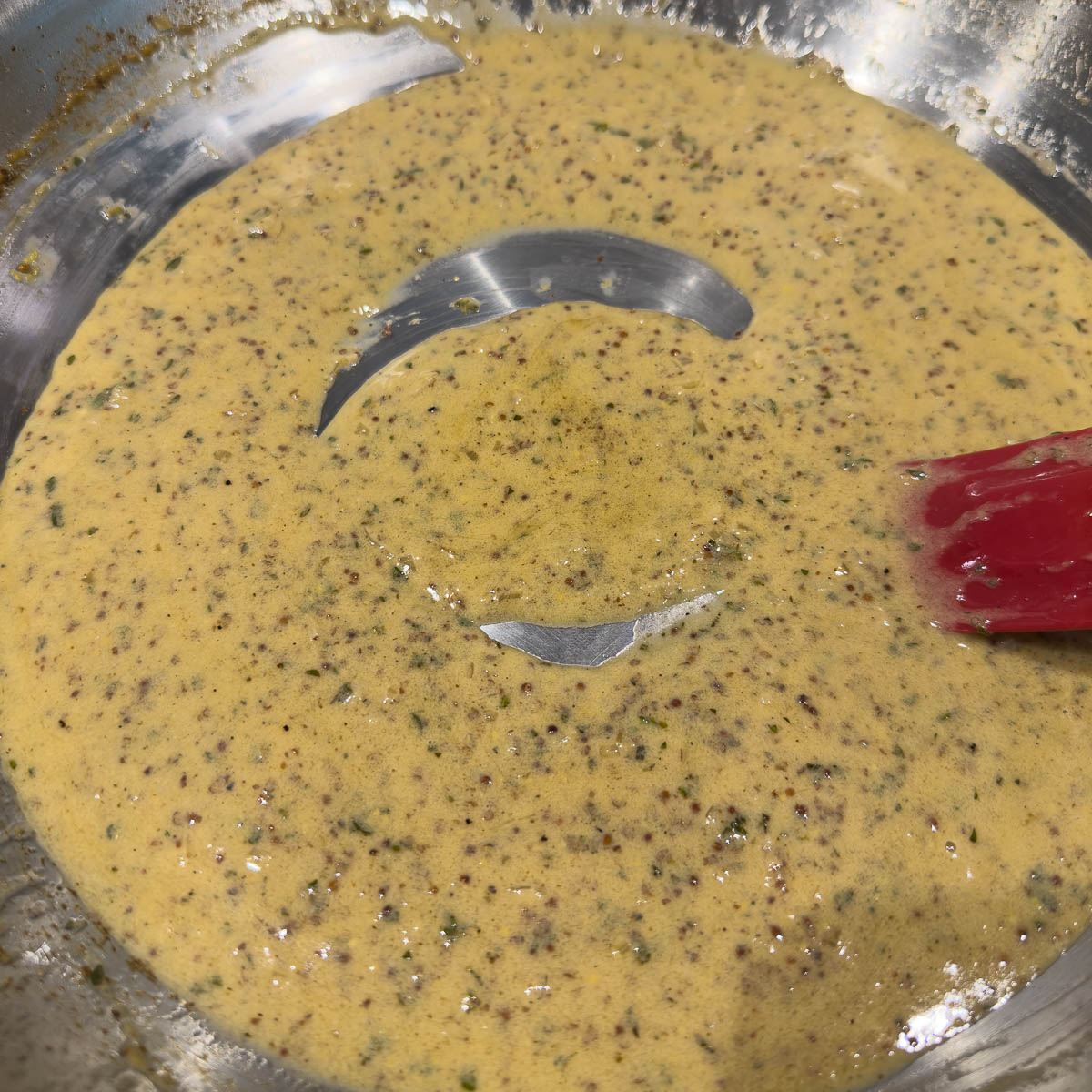
- Sift the flour onto a piece of wax paper or parchment paper. Add the milk to the blender, then the sifted flour, eggs, sugar or monk fruit, vanilla, and pinch of salt. Blend on low speed for about 45 seconds, until blended. Don't use high speed. Note: for savory crepes, omit the sugar and vanilla.
Refrigerate batter
- Pour the crepe batter into an airtight container and refrigerate for 30 minutes to hydrate flour. Can be made ahead up to 2 days.
Make the crepes
- Remove the batter from the refrigerator. Whisk crepe batter to re-incorporate into a smooth batter.
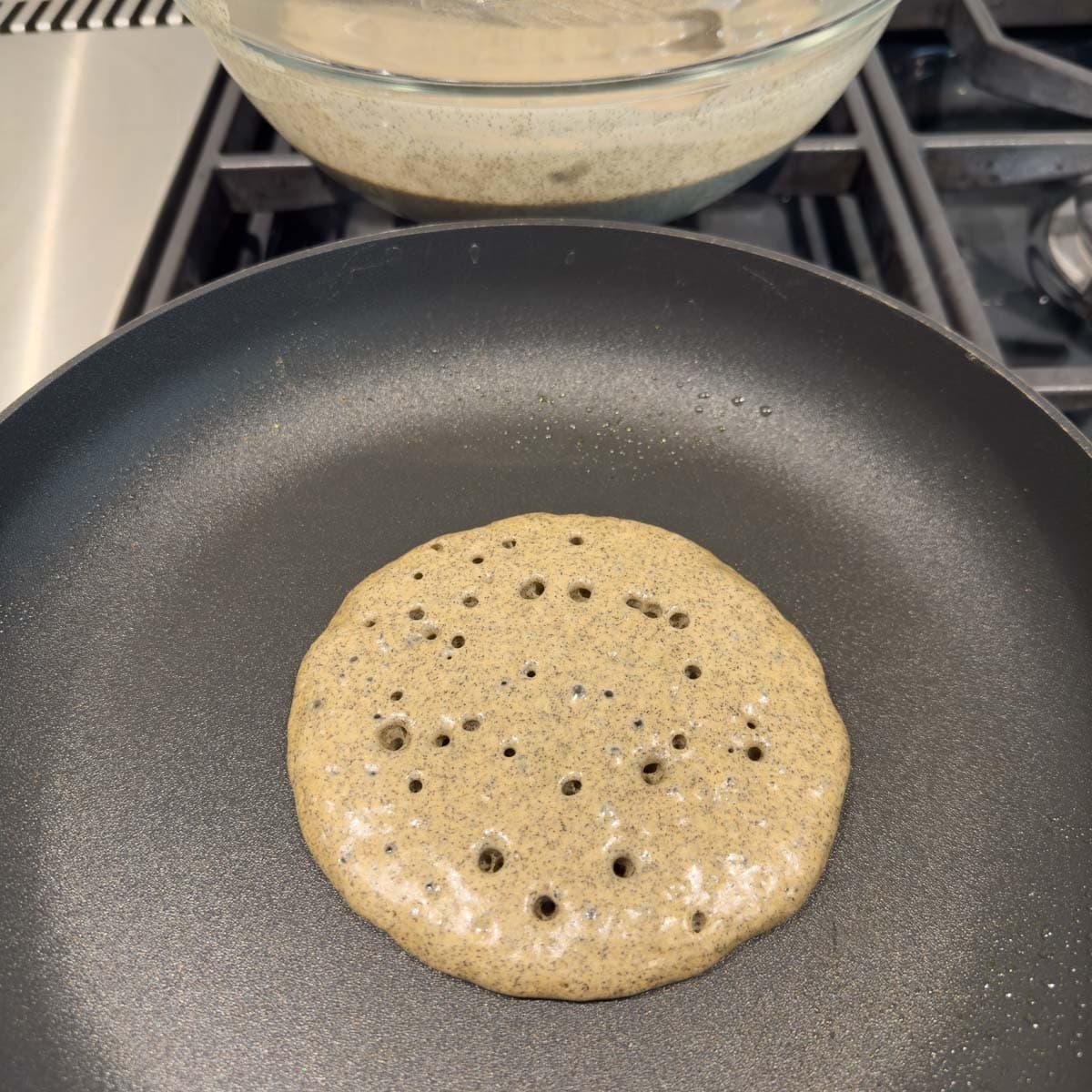
- Melt the butter in a small bowl in the microwave. Place the pan over medium heat to get hot, then turn down to medium low. Brush a little melted butter over the pan surface, it should sizzle just a little. Pour in a scant ⅓ cup of batter and immediately lift the pan and gently swirl so the batter evenly covers the bottom of the pan. Don't worry if the first one is not perfect looking. It will still taste great.
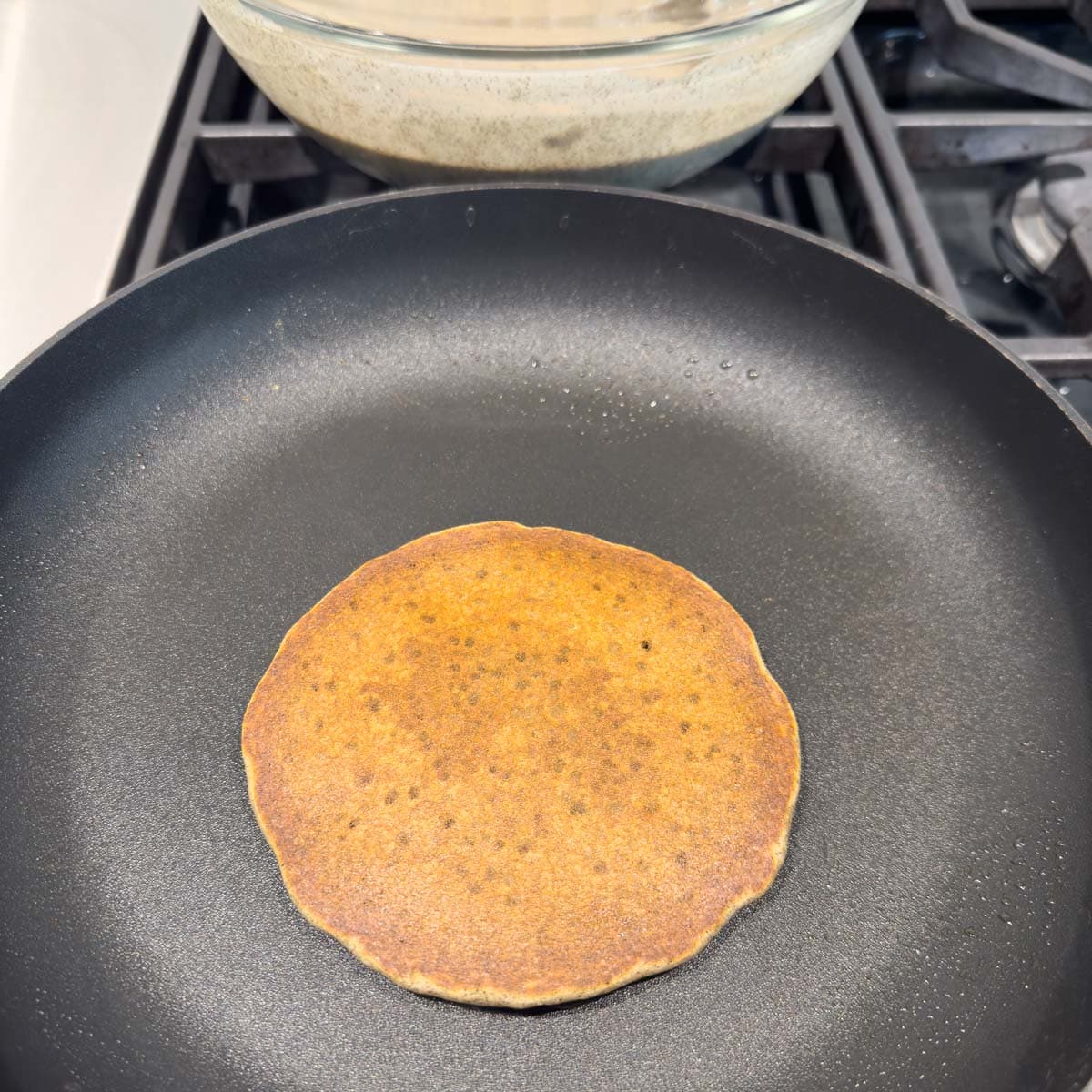
- Cook the first side of the crepe approximately 60 seconds. Lift an edge to see if it is lightly golden, the with your fingers (it's a little hot) pick up the crepe and turn it over. Shake the pan to re-center if needed. Cook approximately 30-45 seconds longer, the slide the crepe out of the pan onto a flat plate. Continue making crepes, brushing between each one with a very small amount of butter. Stack crepes as you go.
To serve
- Fold into quarters serve and top as preferred, or to refrigerate for another day. Stack them each between a layer of parchment of wax paper then wrap well in plastic film and refrigerate for 3-4 days. Alternatively, freeze crepes for up to two months. Be sure to label and date the package. Thaw in the refrigerator overnight.